Sweden to grant Sweden Democrats formal cabinet seats
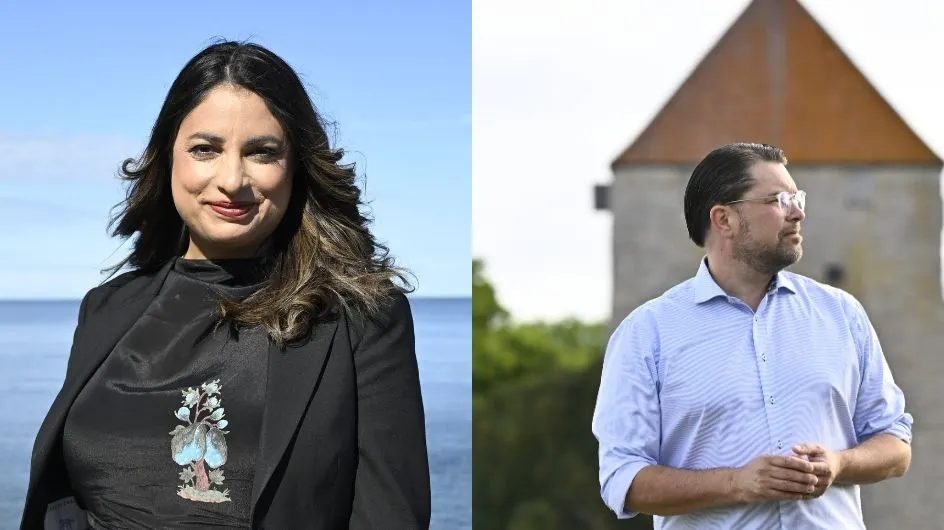
Prime Minister Ulf Kristersson has agreed to give the Sweden Democrats proportionate cabinet seats if re-elected, a structural shift that risks alienating centrist voters and unsettling the consensus-based political stability valued by European investors.
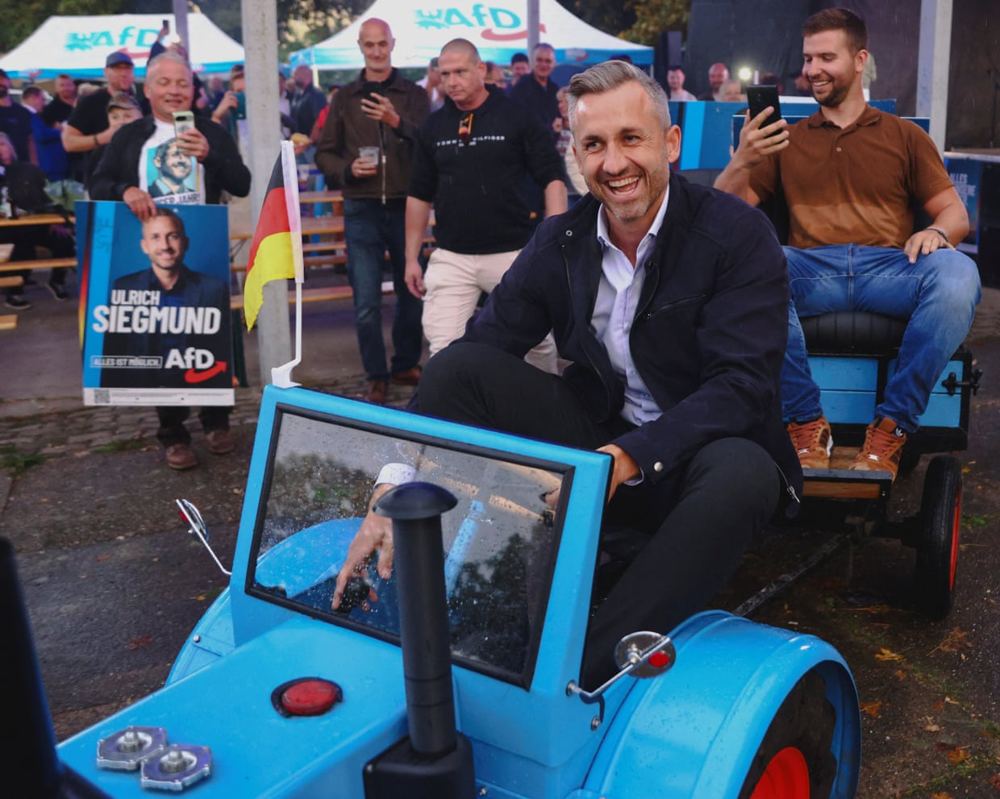
Prime Minister Ulf Kristersson has agreed that if the ruling coalition wins re-election, Jimmie Åkesson and his Sweden Democrat colleagues will enter government. Under the deal, the party will secure cabinet seats proportionate to its vote share, which current polling suggests would amount to roughly half the cabinet.
For European investors and businesses, the formalisation of a highly polarising party at the heart of Sweden's executive represents a break from the country's traditional consensus politics. While Åkesson has exerted heavy influence over policy from outside the cabinet for four years, taking official ministerial posts introduces new uncertainties into the Nordic economic model.
The prospect appears to have spooked the electorate. The left-wing opposition's lead over the government jumped in May. Negative partisanship is now a dominant force: fresh Indikator research shows four out of ten voters are as likely to base their ballot on which party they dislike as on the one they support.
The Sweden Democrats are the primary target of this distaste. A poll last year found 48 percent of voters "greatly dislike" the party. Crucially for the Moderates, this includes a quarter of their own voters, while 26 percent of governing coalition voters view the prospect of Sweden Democrat ministers negatively.
To prevent centrist voters from defecting, the Moderates are attempting to sanitise their coalition partner. One leading Moderate told this newspaper that Åkesson’s party was basically "centre right" these days.
Kristersson’s secondary strategy is to highlight the extremists on the opposing side. In his recent Almedalen speech, he labelled a potential left-wing government a "radical left" and "a left wing experiment". He mentioned the Left Party seven times and the Greens eight times, compared to just five mentions of the Social Democrats.
This attack has been amplified by revelations of anti-Semites and conspiracy theorists among Left Party candidates, damaging Nooshi Dadgostar’s attempts to project a moderate image. Yet Magdalena Andersson is resisting Dadgostar's demands for ministerial posts in a future left-wing government, wary of empowering her own radical fringe in a campaign defined by voter aversion.