US World Cup run hinges on defeating European giants
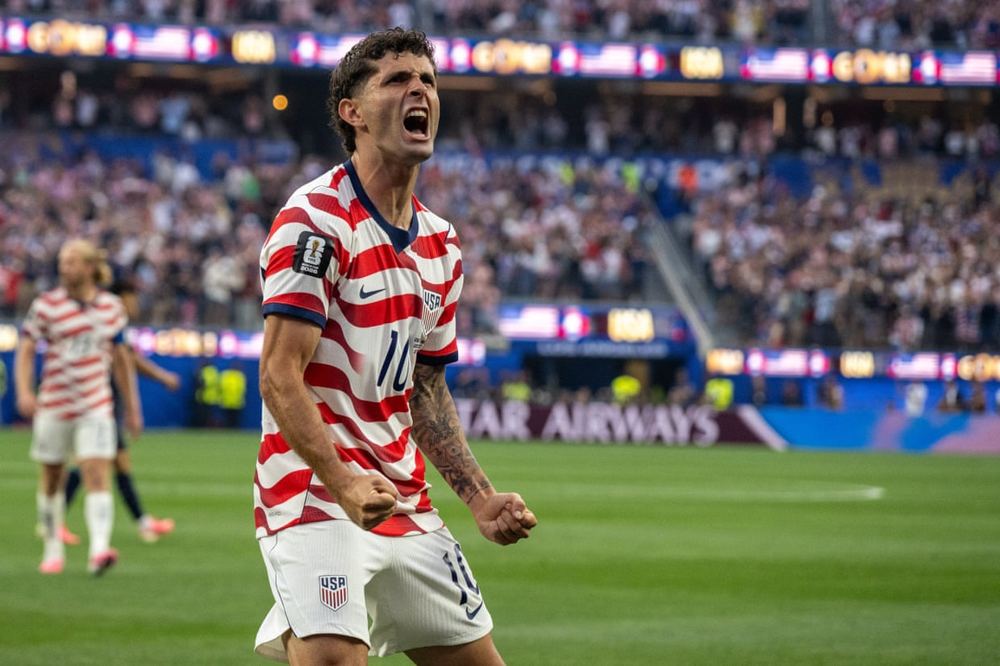
The United States must navigate a World Cup knockout path heavily guarded by Europe's top footballing nations, a sequence that will test the host's commercial momentum against the continent's sporting dominance.
The United States will face Bosnia and Herzegovina in the round of 32 on 1 July, kicking off a potential knockout path that requires Mauricio Pochettino’s side to eliminate four major European nations to reach the final. The newly expanded 48-team tournament generated a complex 495-scenario matrix just to determine the fixtures for the best third-placed teams. For the Americans, however, the math is straightforward: advancing means toppling Belgium, Spain, France and likely England.
Bosnia secured their first-ever knockout stage appearance with a 3-1 win over Qatar, relying on the 40-year-old Edin Džeko and emerging winger Kerim Alajbegović. Sergej Barbarez’s side beat Wales and Italy on penalties in qualifying play-offs, making them dangerous if the match goes to spot-kicks. Yet, the US possesses superior individual talent and more fluid possession, making a regulation win the probable outcome.
A round of 16 matchup with Belgium in Seattle would evoke memories of the US’s 2-1 extra-time defeat to the same opponent in 2014. While Rudi Garcia’s squad features lingering stars like Kevin De Bruyne, Romelu Lukaku and Thibaut Courtois, they are widely viewed as a fading force past their prime. A 5-2 Belgian win in an under-strength Atlanta friendly three months ago offers caution, but Belgium represents the most favorable draw among Europe's top sides.
The quarter-finals would likely pit the US against Spain, the European champions and tournament second-favourites. Spain’s reliance on 18-year-old Lamine Yamal for creativity was exposed in a goalless draw with Cape Verde and a narrow 1-0 win over Uruguay. Should the US survive, a semi-final against France awaits; Didier Deschamps’ side looked the most impressive in the group stage despite some defensive lapses in a 4-1 win over Norway.
For European stakeholders, this gauntlet serves as a critical defensive line against a host nation whose tournament has "richly, very richly, delivered" by charging "as much as the market will bear." A US run to the final against an English side managed by Thomas Tuchel would maximize global commercial revenues, but a premature European exit would signal a shifting balance in the sport's economy. Pochettino, a former Premier League manager, insists "when people believe in each other, impossible dreams become possible," but overcoming Europe's elite requires a level of defensive discipline his side has not yet demonstrated.