Nan, Van, Ragnar and ‘the world’s greatest living artist’, the week in art
Nan Goldin gets real, Eyck makes jaws drop, Ragnar Kjartansson revels in Sussex and Anselm Kiefer delivers a truckload of imaginative art – all in your weekly dispatch Nan Goldin: You Never Did Anything Wrong The great chronicler of real American lives fills the Hayward with passion and protest. • Hayward Gallery, London, 24 November to 14 March Continue reading...
Nan Goldin gets real, Eyck makes jaws drop, Ragnar Kjartansson revels in Sussex and Anselm Kiefer delivers a truckload of imaginative art, all in your weekly dispatch
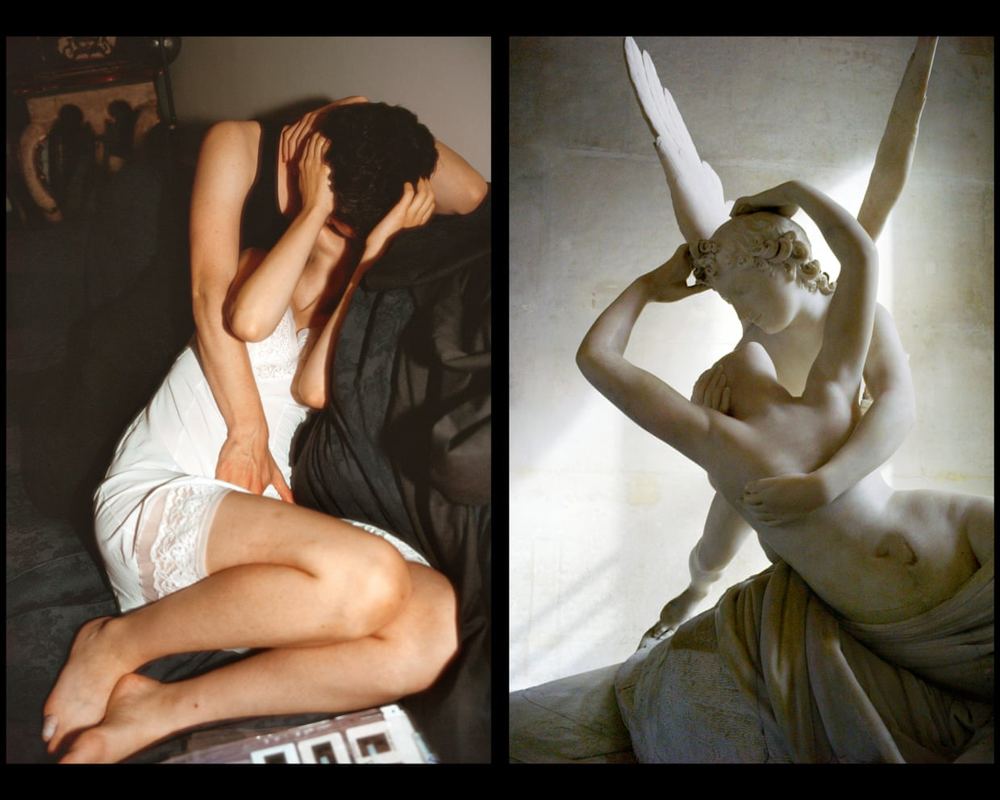
Nan Goldin: You Never Did Anything Wrong The great chronicler of real American lives fills the Hayward with passion and protest. Hayward Gallery, London, 24 November to 14 March
Van Eyck: The Portraits Jaw-droppingly brilliant paintings that bring you face to face with medieval people. National Gallery, London, from 21 November to 11 April
Bianca Raffaella This partially sighted graduate of Tracey Emin’s art school paints ethereal, shifting veils of whiteness. Flowers Gallery, London, until 2 January
Ragnar Kjartansson Nordic noir from the acclaimed Icelander should suit the moody woodlands of this sculpture trail and gallery. Goodwood Art Foundation, West Sussex, from 26 November to 12 April
Anselm Kiefer The mighty German who may be the greatest artist alive brings another truckload of his imaginative excess to London. White Cube Bermondsey, London, from 25 November to 24 January
As anxieties around climate catastrophe and existential threats from new technology intensify, humanity turns to mass media to confirm its worst fears. That’s the idea behind this singular German “wonderbook” from the 1550s, which depicts sensationalised scenes of terror in watercolour and gouache. In it, a plague of locusts arrive in Poland on a “terrible wind” in 1527, the North Sea floods Frisia in 1230 and, in the image above, dragons fly over Bavaria in 1533. The Book of Miracles is expected to reach up to £1m at auction at Christies in London, where the public can see it in person before it is sold.
A Van Gogh masterpiece sold for a record $190.4m after a dispute
Van Eyck’s portraits preserved monsters, merchants, and his wife, like flies in amber
Peggy Guggenheim’s time in London is the focus of a new Royal Academy show
Edward Hopper’s lonesome paintings also depict his sexual issues, says a new book
Palestinian artists looked back in anger, melancholy and defiance at a new exhibition
You can get up close and personal with a Renaissance godfather at the Wallace Collection
Mary Cassatt was a neglected but decisive influence on impressionism
An immersive show brings Kyffin Williams’ rugged Welsh landscapes to life
Portrait of a Woman by Workshop of the Master of the Holy Kindred , 1495-1500
This face from the past is so alive, as if you met her in the flesh. That’s partly because the unknown artist has posed his unknown subject, who probably lived in Cologne, Germany, looking out of the painting to the side. She seems to be in conversation: there’s a sense of movement, energy, engagement. Then again this mobility must also belong to her, not just the artist’s bag of tricks. For she seems quite a character: her long, thin face, penetrating grey eyes, thin eyebrows and bow-shaped lips all suggest a strong personal presence. Fashionable, discreetly luxurious clothes and jewellery also make it clear she is a woman of substance. This panel was once joined by a hinge to another, with her facing the lost image on the other side of the diptych: but surely her worldly appearance doesn’t fit with it being a religious scene. Rather, she is looking confidently and with some sense of equality at her husband, presumably a wealthy burgher of Cologne. National Gallery, London