Finland switches off last copper landline network
Finland has become the latest European nation to retire its analogue landline infrastructure, a milestone that underscores the continent's accelerating and capital-intensive shift toward fibre-optic networks.
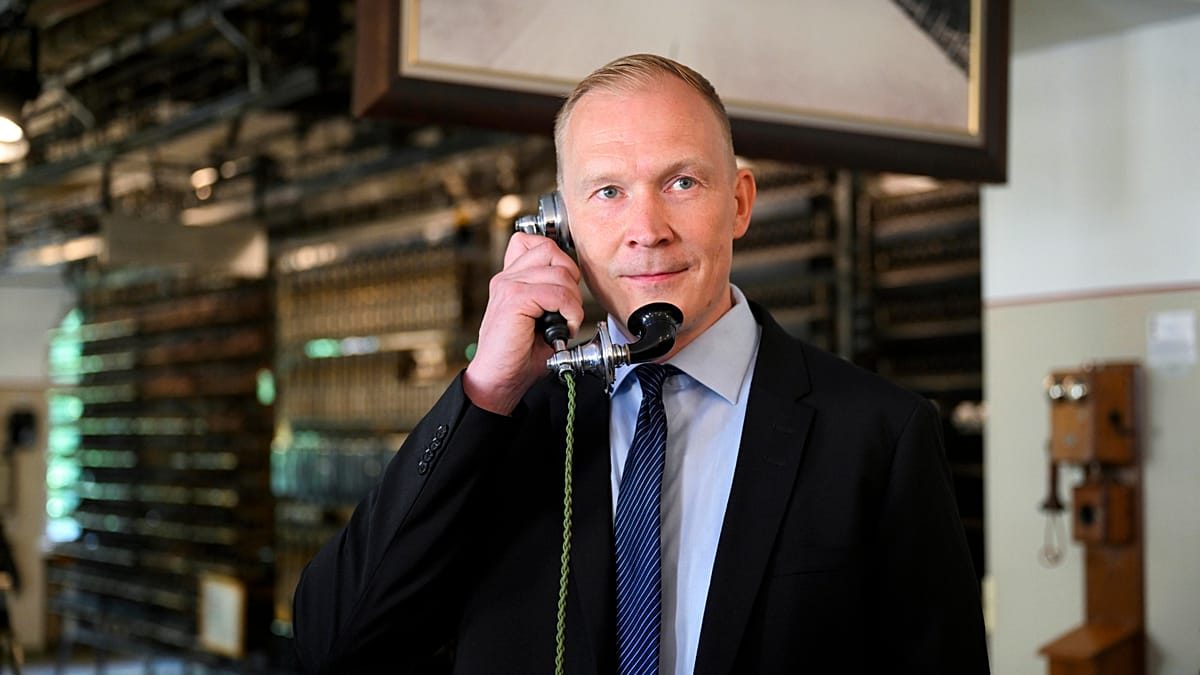
Finland ended analogue landline phone services on Tuesday, concluding almost 150 years of copper-wire connectivity. Elisa, the country's last major telecom operator maintaining a copper network, executed the final connection. The ceremonial last call took place between Elisa CEO Topi Manner and Jarkko Saarimaki, head of Finland's communication and transport agency.
The shutdown marks a definitive step in the European telecom sector's pivot toward next-generation infrastructure. Copper wires, which carry calls as a continuous electrical signal, can only support a limited volume of data. Replacing them with fibre-optic cables, thin glass strands that transmit information as pulses of light, allows operators to deliver significantly faster and more reliable connections.
For telecom companies and investors, this transition represents the final phase of a long-expected infrastructure upgrade. Maintaining legacy copper networks incurs high operational costs for a shrinking user base. By decommissioning these systems, operators like Elisa can redirect capital expenditure entirely toward fibre rollout and mobile networks, a shift that aligns with broader European digital policy goals.
The commercial rationale for the switch-off is evident in Elisa's subscriber numbers. When the company announced the January transition, it revealed it had just a "few thousand" landline-only plans left. Furthermore, Elisa had not sold a new copper plan in years, rendering the legacy network economically unviable. Rivals had already made the jump to all-digital networks earlier.
Finland is now part of a widening European vanguard that has left analogue telephony behind. Estonia, the Netherlands, Norway, and Spain have all completed similar transitions. The development carries particular weight in Finland, home to mobile phone pioneer Nokia, where mobile technology has already rendered traditional fixed-line phones largely obsolete for the wider public.
Despite the national shutdown, a small residual market remains. According to public broadcaster Yle, a few thousand customers who rely on local calls will still receive landline service from smaller, local operators. Manner and Saarimaki ended the historic final call with a simple "kuulemiin", translating to "speak later" in Finnish.