Hormuz oil route hangs in balance as US, Iran hold indirect Qatar talks
Senior US envoys have arrived in Doha for indirect talks with Iran, a diplomatic manoeuvre aimed at defusing tensions over the Strait of Hormuz, the crucial shipping chokepoint for a fifth of global oil supplies.
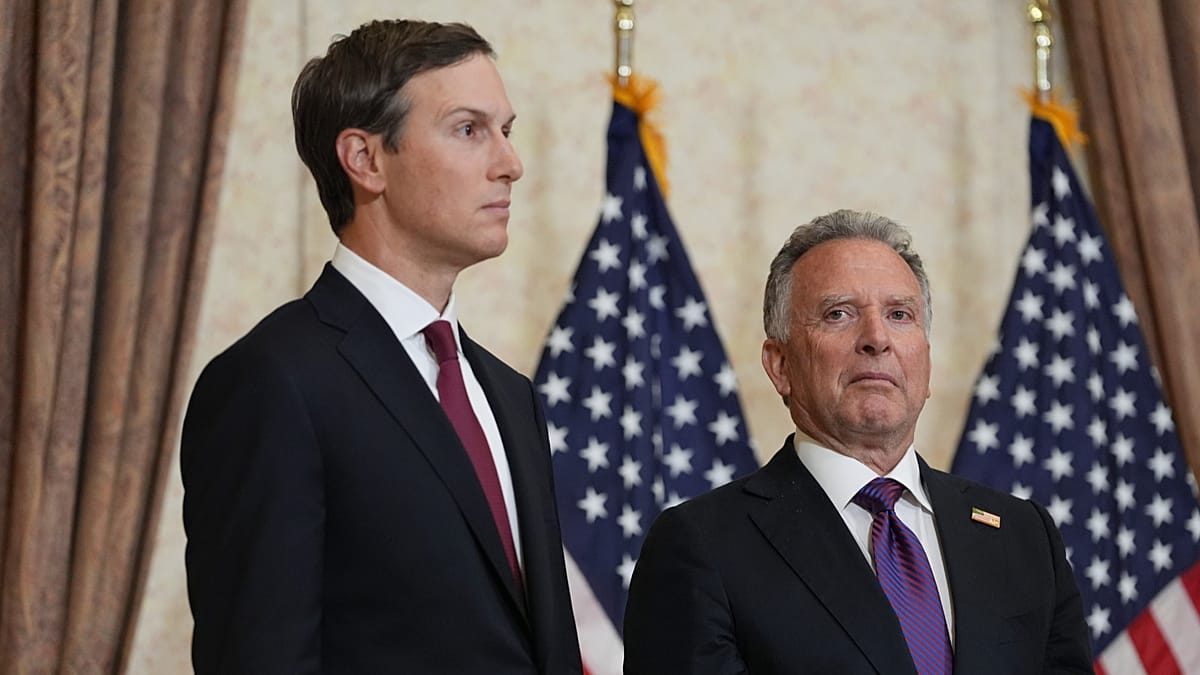
US Middle East envoy Steve Witkoff and senior adviser Jared Kushner arrived in Doha on Tuesday to meet Qatari mediators, as Washington pushes for a breakthrough in the Iran war. Tehran simultaneously dispatched its own delegation to the Qatari capital but explicitly denied agreeing to meet US counterparts "at any level".
The stark disconnect highlights the fragility of the current diplomatic track. Qatar's foreign ministry spokesman Majed Al Ansari emphasised that the American envoys were in Doha to consult with Qatari officials on regional issues, including Lebanon. "They are not here for their negotiations with the Iranians," he stated.
Witkoff, a real estate investor who has served as the administration's lead envoy since the start of Trump's second term, is joined by Kushner. Kushner previously helped broker the Abraham Accords during Trump's first term. Their presence signals the high priority the White House places on resolving the standoff, even if direct negotiations remain off the table.
This careful diplomatic choreography is ultimately aimed at resolving a critical threat to European energy security. After four days of military strikes in the Strait of Hormuz, both sides paused attacks on Monday. However, Iran is digging in on its position that it will now control the vital waterway based on its own interpretation of a 17 June framework deal.
Before the conflict, the strait carried a fifth of the world's oil. Any sustained Iranian closure or disruption of the route would send immediate shockwaves through European markets, threatening to reverse recent stabilisations in energy prices and reviving inflationary pressures for the continent's industrial economies.
Iran's technical negotiators in Doha are focused strictly on extracting economic concessions from the framework agreement. According to Tehran, their primary priorities are the release of frozen Iranian assets and the lifting of sanctions on Iranian oil exports.
For now, any substantive exchange between Washington and Tehran is expected to be conducted indirectly, channelled through Qatari and Pakistani mediators. President Donald Trump claimed Tehran had requested a meeting, but he offered few guarantees about the outcome. "The meeting is going to be perhaps important, perhaps not," he said. "We will find out."
For European governments and crude importers, the immediate priority is the safe passage of oil. Until Iran's naval posture in the strait is clarified and the sanctions dispute is resolved, the risk of a sudden supply crunch will continue to hang over the continent's economy.