How Elon Musk reached a trillion dollars and why European funds are exposed
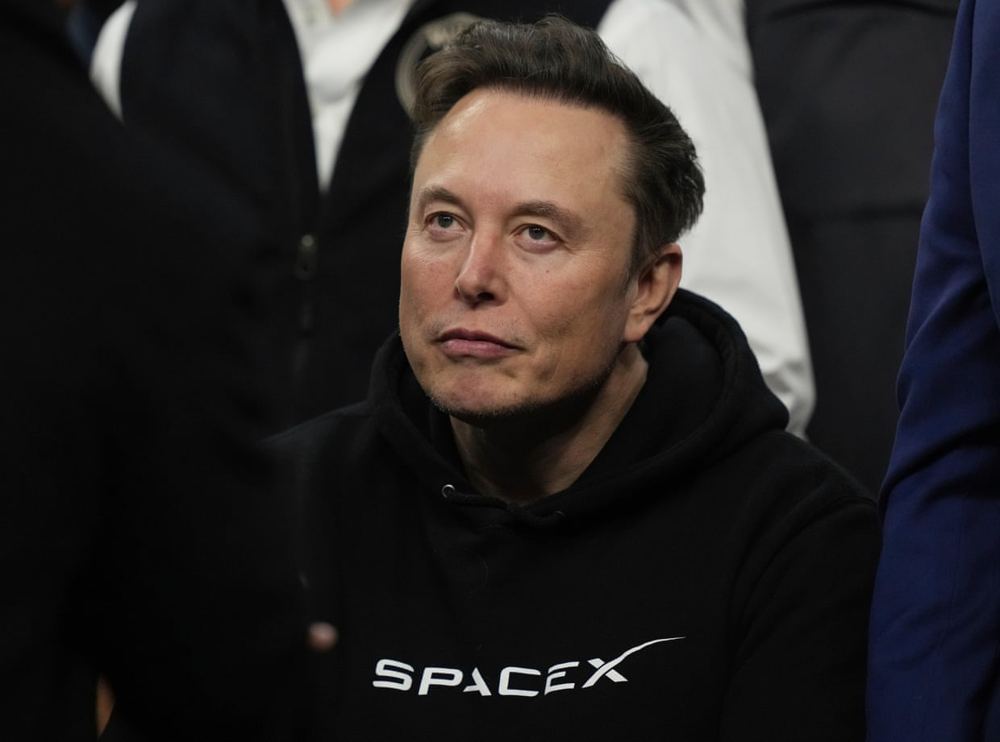
Elon Musk briefly became the world’s first trillionaire in June before a tech sell-off, but the mechanisms that inflated his wealth now pose systemic risks to European retirement savings.
Elon Musk reached a trillion-dollar net worth for 12 days in June before shares in Tesla and SpaceX plunged amid a broader tech sell-off. Between January and June alone, Musk added $322 billion to his wealth, an amount exceeding the entire GDP of Portugal.
For European investors, the fleeting milestone is less a curiosity than a warning about the structural vulnerabilities of global index funds. SpaceX has reportedly lobbied leaders of the world’s largest stock indices to include the company shortly after going public.
Most indices, like the Nasdaq-100, typically require companies to be public for at least a year to protect index funds from trading volatility. Bypassing this rule would compel giants like Fidelity and Vanguard to buy millions of SpaceX shares overnight. Because European pension funds are heavily invested in these US index trackers, ordinary retirees across the continent are now exposed to the volatility of Musk’s politically entangled companies. Nasdaq has denied changing its rule for SpaceX.
The political dimensions of this wealth creation are equally significant for transatlantic markets. Musk invested $290 million into the 2024 US election, emerging as a key ally of Donald Trump. Since October 2024, Musk’s net worth has jumped from roughly $270 billion to over a trillion dollars, a surge aided by an administration that has cut taxes for the wealthy, eased regulatory hurdles, and awarded billion-dollar government contracts to his firms.
US conservative media has framed this concentration of wealth as a triumph of innovation. The Wall Street Journal argued his companies "created tremendous value," while the National Review dismissed critics as an "impotent envy cult." Senator Cynthia Lummis claimed the wealth was logical because "the harder he worked, the smarter he was, the luckier he got."
However, Oxfam data indicates the world’s richest people now hold more wealth than half of humanity. The organisation also notes that billionaires own more than half of the world’s largest media companies and nearly all major social media platforms. For European policymakers, the American model highlights a dangerous feedback loop: when private wealth buys political power, shapes media narratives, and captures passive investment flows, market stability is ultimately compromised.