World Monuments Fund highlights ten US heritage sites for 250th
The World Monuments Fund has named ten US heritage sites to its new Irreplaceable America programme, highlighting transatlantic architectural ties and shared modern threats like climate change and budget cuts.
The World Monuments Fund (WMF) has selected ten heritage sites across the United States to mark the country’s upcoming 250th anniversary. Chosen from 75 public nominations for the new Irreplaceable America programme, the locations will receive a year of consultation and advocacy support, with the potential for future preservation partnerships.
For European observers, the list is a reminder of how deeply continental history and artistic movements are woven into American civic life. Several of the highlighted locations trace their origins directly back to Europe, even as they now face distinctly modern threats.
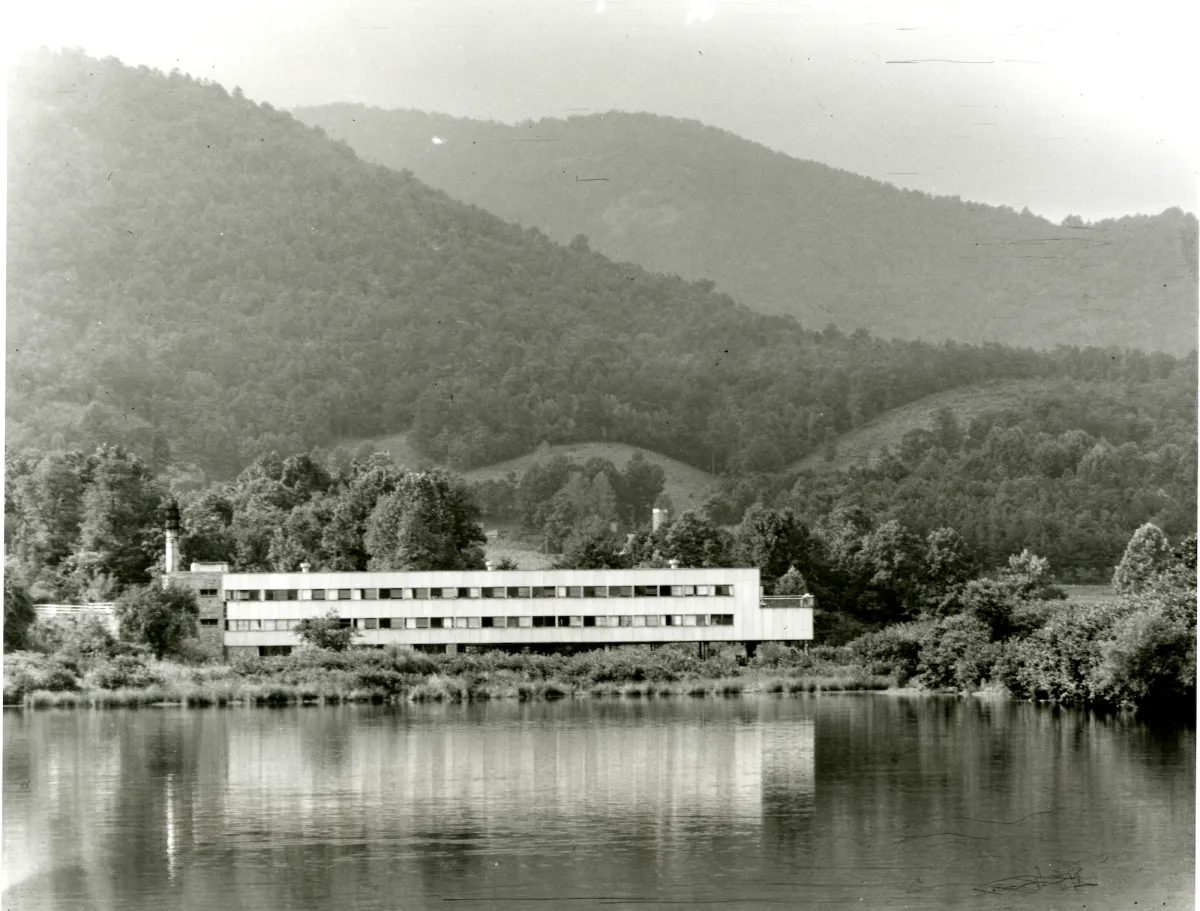
Chief among these is the Studies Building at Black Mountain College in North Carolina. Founded in 1933, the college became a legendary hub for European artistic exiles, counting Bauhaus architect Walter Gropius and artists Josef and Anni Albers among its faculty. The Bauhaus-inspired structure was built in the early 1940s using local materials and wartime ingenuity, but now suffers from water infiltration and rapid material deterioration.
The list also stretches back to the earliest European presence in North America. Two 17th-century Spanish mission churches in New Mexico, San Estévan del Rey and San José de Laguna, were recognised as prime examples of hybrid Spanish colonial and Pueblo architecture. Despite being on the National Register since the 1970s, they are threatened by limited funds, depopulation and the fading knowledge of traditional adobe construction.
Other sites reflect subsequent waves of transatlantic migration, such as the Watts Towers in Los Angeles. Built over three decades starting in 1921 by Italian American artist Simon Rodia, the nearly 100-foot-tall mosaic sculptures are increasingly vulnerable to earthquakes and climate change. The broader list also includes Bartram’s Garden in Philadelphia, the African Meeting House in Boston, the ruins of New York City’s first smallpox hospital on Roosevelt Island, the Wright Brothers’ workshops in Ohio, and the entire city of New Orleans.
A special mention was given to the National Park Service for protecting 433 significant sites amid budget cuts and political interference. Bénédicte de Montlaur, the president and chief executive of WMF, framed the initiative as a broader warning. “After decades of work at more than 700 sites in 112 countries, WMF has seen what communities gain when they can protect the places that matter and what is lost when they cannot,” she said. “As the nation approaches its 250th anniversary, Irreplaceable America is a call to protect the places that reflect the richness of that history, and the role heritage plays in education, community memory and civic life.”