Luxury Mexican development unearths major pre-Hispanic site
A salvage archaeology project at a luxury housing estate has revealed a 1,400-year-old ceremonial complex, highlighting the financial and operational frictions between real estate expansion and national heritage laws.
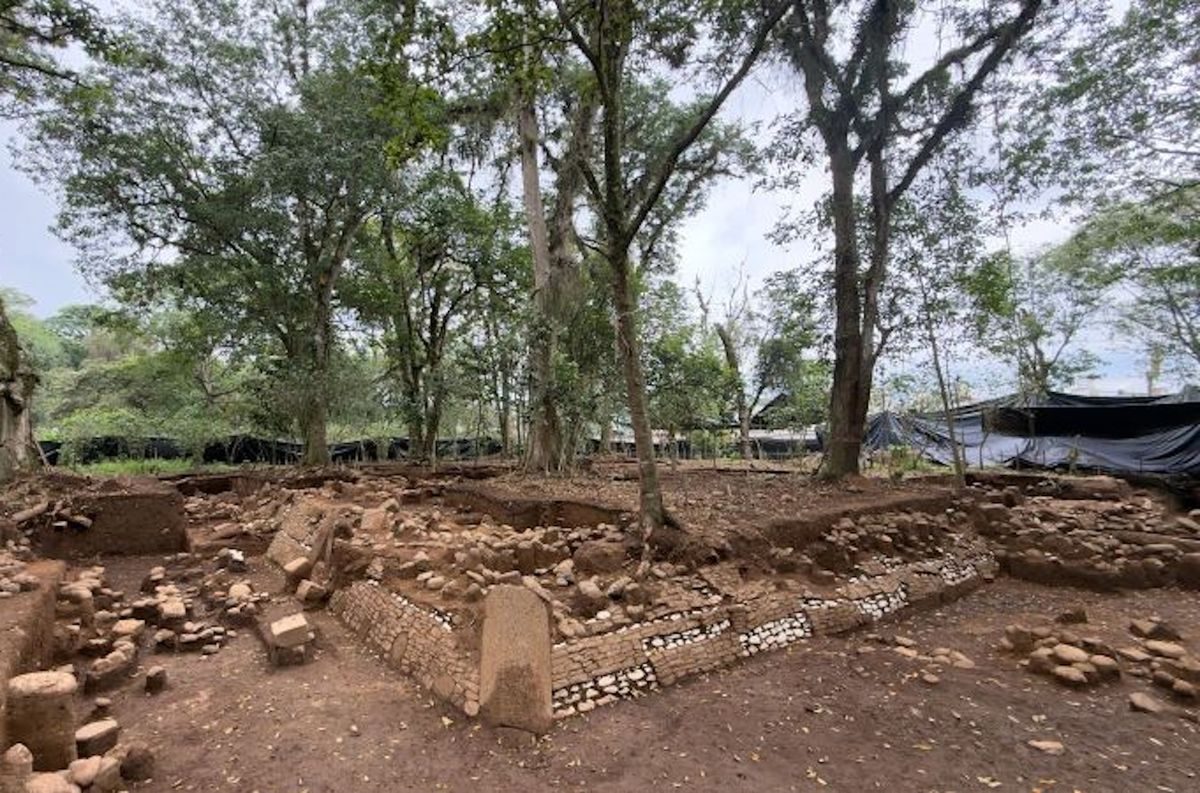
A salvage archaeology project at a luxury housing estate in Mexico has revealed a 1,400-year-old ceremonial complex. The National Institute of Anthropology and History (INAH) discovered large-scale platforms and a buried stela during excavations at the Bosque San Lucas development in Coatepec, Veracruz.
The discovery sits within Bosque San Lucas, a new 12-hectare luxury residential project marketed as eco-sensitive. Under Mexican law, all archaeological heritage belongs to the nation, though private owners may serve as custodians. In this case, the real estate developer fully funded the salvage excavations, highlighting how private construction projects frequently absorb the operational costs and delays of unexpected national heritage preservation.
The site features a 30-metre-long, 12-metre-wide platform built with dressed limestone and finished with a white, fired plaster. “The stela was placed face down, and structures were built on top of it,” said INAH archaeologist Mireya Moreno regarding the 1.88-metre-high artefact. A ritual offering including pottery vessels, figurines, charred maize and a fragmented green stone bead was also discovered.
The stela depicts two elite figures in elaborate attire gathering for a ritual, with one displaying possible Maya-like traits. “What is unusual for central Veracruz is a composition featuring two seated figures facing one another, previously undocumented,” said Annick Daneels, a researcher at the National Autonomous University of Mexico. The Isthmian style points to widespread cultural and trade interactions across Mesoamerica during a period when pyramid-and-plaza architecture became common.
The find illustrates the risks for developers building near historical zones like the adjacent Campo Viejo settlement. “These areas have been subjected to mechanised agriculture,” said Lino Espinoza García, the project’s INAH co-leader. “It may appear that there is nothing there, but once you excavate, archaeological remains emerge.”
As fieldwork continues until August and analysis extends to February 2027, President Claudia Sheinbaum has pledged special state funding for a find local officials hope will drive tourism in Coatepec, a "magical town" since 2006. “We are proud to be part of this project,” the developer said on 20 June. “Construction will continue respecting the restricted areas.”