European-raised Leopards bridge DRC’s deep political divides
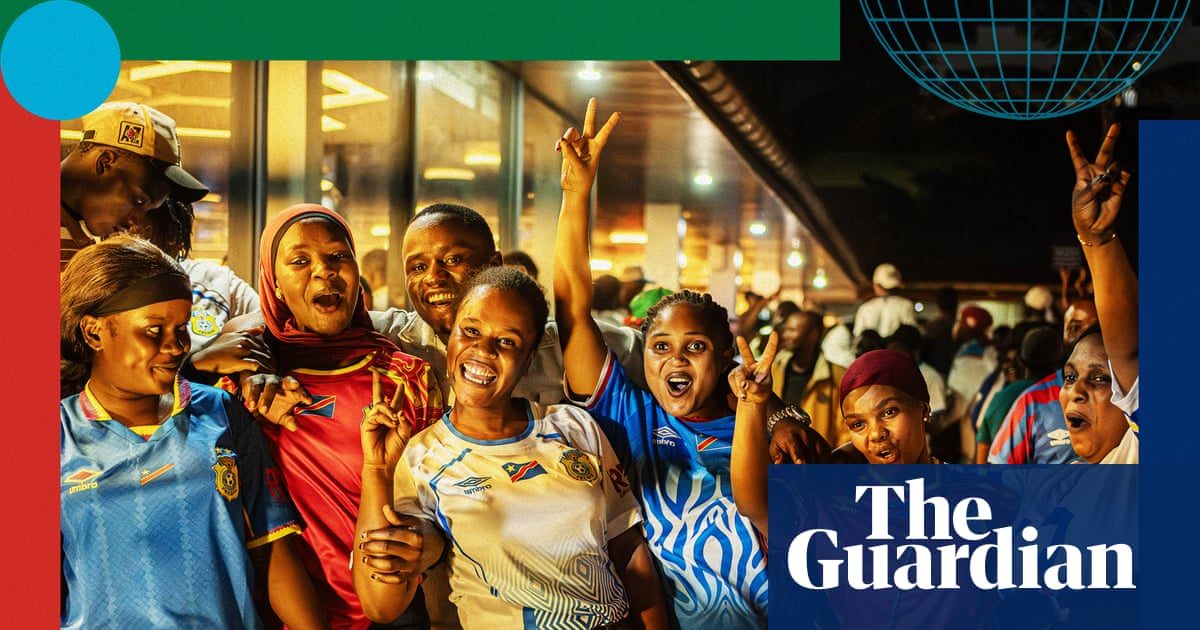
DR Congo's World Cup advancement, powered by European-raised players, has temporarily united a nation fractured by war and ethnic division where traditional political institutions have failed.
DR Congo has reached the World Cup knockout stage for the first time in 52 years, setting up a Wednesday match against England after a 3-1 victory against Uzbekistan.
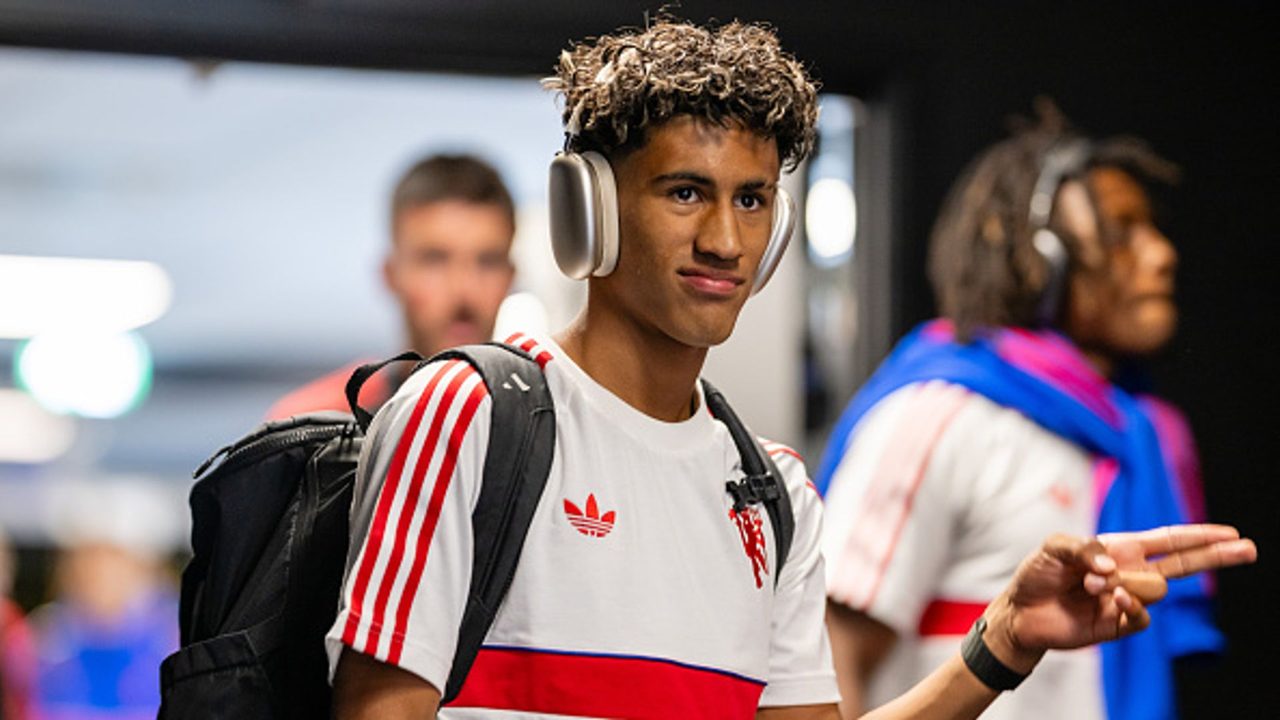
For a European audience, the matchup carries a distinct irony: 21 of the 26 players in the Congolese squad grew up outside the country. Stars like Aaron Wan-Bissaka, Axel Tuanzebe and Aaron Tshibola all previously played for England youth teams before representing the Leopards.
This European-based squad is performing a function that Kinshasa's political institutions have struggled to achieve for decades: uniting a vast, fractured state. The DRC spans 905,355 square miles and is home to 116 million people across hundreds of ethnic groups, with four national languages adopted simply to maintain cohesion.
The deepest fracture runs 2,500 kilometres from the capital to the eastern Kivu provinces. There, cities like Goma and Bukavu are partially occupied by the Rwanda-backed M23 rebel movement. Many eastern residents have long felt abandoned by the central government, frequently sparking discussions of fragmentation or autonomy.
Yet during this tournament, those divides have paused. Celebrations after the draw with Portugal and the win over Uzbekistan erupted simultaneously in Kinshasa, the secessionist-prone Katanga region, and occupied eastern territories.
"Even in the occupied areas of eastern Congo, you see people coming out into the streets to dance. It’s incredible," said Veron Mosengo Omba, president of the Congolese Football Federation. "What these young players have given us is an unexpected gift."
Striker Yoane Wissa, who scored twice against Uzbekistan, articulated the team's awareness of this broader role. "There is war in eastern Congo. Every time we wear this shirt, we think about them," he said.
The disconnect between the team and its domestic fanbase was highlighted by US visa restrictions under the Trump administration, which blocked most Congolese fans and journalists from travelling to North America. Instead, the squad has been carried by the US-based Congolese diaspora, with thousands travelling to the team's base in Houston.
A team composed almost entirely of the diaspora, cheered by a diaspora, has become the most trusted national institution for a population caught between war and political dysfunction. As President Félix Tshisekedi noted, every flag raised "strengthens our pride, our national identity and the invisible foundations of our unity."