UN talks fail to agree rules for ‘killer robots’ and push the issue to 2028
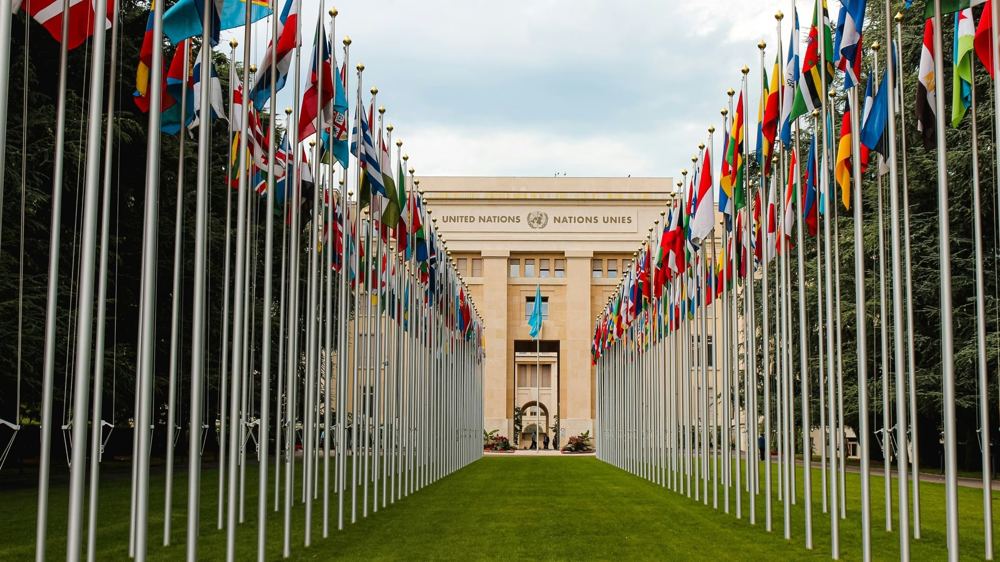
UN talks on regulating lethal autonomous weapons, often called “killer robots”, ended in Geneva on Saturday without a treaty mandate. The 128 countries in the Convention on Certain Conventional Weapons agreed to keep talking until 2028, Politico reported. Under the final decision, countries will “elaborate” an instrument on these weapons under international humanitarian law. A […] This story continues at The Next Web
UN talks on regulating lethal autonomous weapons, often called “killer robots”, ended in Geneva on Saturday without a treaty mandate. The 128 countries in the Convention on Certain Conventional Weapons agreed to keep talking until 2028, Politico reported.
Under the final decision, countries will “elaborate” an instrument on these weapons under international humanitarian law. A group of government experts will report back in 2028. The decision does not mention a legally binding instrument, according to Politico.
Negotiators announced the deal at 4:30am on Saturday, after a week of talks, NPR reported. The rules they propose could be binding. They could also be optional.
Decisions need consensus, so Russia could block formal negotiations all week, Politico reported. It also kept out observers, including the European Union. The talks went ahead informally to get around its veto.
On the first day, Russia objected to the agenda, NPR reported. Then the US proposed five more years of talks on optional guidelines. The Pentagon set up an Autonomous Warfare Command in October.
Two EU diplomats told Politico that the US, the UK, South Korea, Japan, Turkey and Israel also resisted binding rules. France called for a “hybrid document” with binding and non-binding parts. Germany backed an “international instrument” rather than a binding protocol.
Countries that wanted rules, such as Ireland, Brazil, Belgium and Austria, softened their positions in the final hours. They feared leaving empty-handed, a Brazilian diplomat told Politico.
Before the talks, the International Committee of the Red Cross asked for binding rules within a year, NPR reported. The UN secretary-general and Pope Leo backed that call. The ICRC said it regretted the outcome.
“You cannot hold a machine accountable for a violation of the law,” said ICRC legal adviser Georgia Hinds.
Ukraine, Russia, Israel and others use drones and robots in war, but say humans still have the final say, Politico reported.
Stop Killer Robots is a coalition of more than 300 groups. It says armies have already tested or used such weapons in Ukraine and Gaza.
“Autonomous weapons technology, including AI in the targeting cycle, is being deployed on the battlefield,” said its executive director, Nicole van Rooijen.
Rain Liivoja of the Asia-Pacific Institute for Law and Security pointed to the missing binding instrument. With none in the decision, there may be no treaty by the end of 2028, he told Politico.