EU ends small parcel duty exemption with €3 flat fee
The EU is replacing national border charges with a bloc-wide €3 levy on small overseas parcels to relieve overwhelmed customs and curb a flood of non-compliant goods.
From July 1st, the European Union will end its duty exemption on imported parcels worth less than €150, introducing a temporary flat fee of €3 per item type. The levy replaces a patchwork of national charges, including a €2 fee introduced by France in March, which member states must now cease applying. This flat rate will remain in place until July 1st, 2028, when standard customs duties based on the specific good will take over.
The charge is applied by product category rather than per individual item. An importer ordering five identical T-shirts pays €3, while purchasing one T-shirt and a watch incurs a €6 charge. While the European Commission stresses that consumers are not legally liable for the duty, a senior EU official warned that online platforms may choose to pass the cost directly to shoppers.
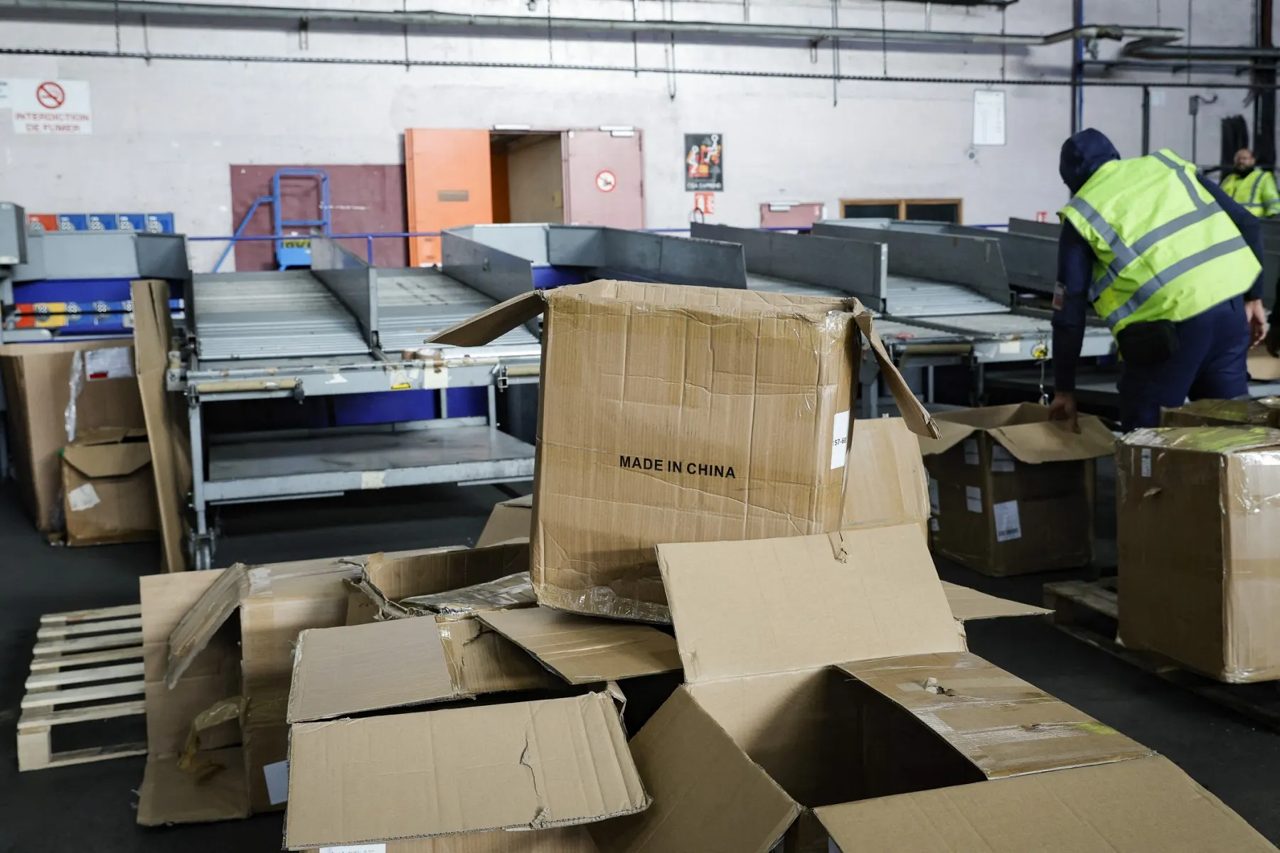
The policy shift responds to an unprecedented surge in e-commerce imports that has crippled border infrastructure. Nearly six billion small packages entered the bloc last year, a staggering increase from 1.39 billion in 2022. The vast majority originated from China, driven by the rapid expansion of online retailers like Shein and Temu.
This volume has raised significant safety concerns alongside the logistical strain. Targeted inspections across the EU in 2025 found that over 60 percent of imported items, including toys and electronics, contained banned ingredients or lacked required safety paperwork. "It is barely manageable, and normal checks are almost impossible," said Bernd Lange, head of the European Parliament's trade committee.
For European businesses, the change addresses a long-standing competitive imbalance. Domestic retailers must comply with strict EU manufacturing standards, while overseas sellers have exploited the duty exemption to undercut them on price. "This is about having the same rules for our businesses and for goods entering our territory sold online," a senior EU official said. The move aligns the bloc with the United States, which recently lifted a similar exemption, while Britain is preparing to follow suit.
Brussels will monitor for circumvention, such as parcels being rerouted through Switzerland to avoid the fee. Some major online retailers are already considering establishing bulk warehouses inside Europe to streamline their logistics. Looking ahead, the EU will mandate detailed product reference information from November 2026, alongside a separate handling fee to offset customs processing costs, though that amount remains undecided.