Firms set up memory chip ‘war rooms’ as some prices jump 10x, WSJ reports
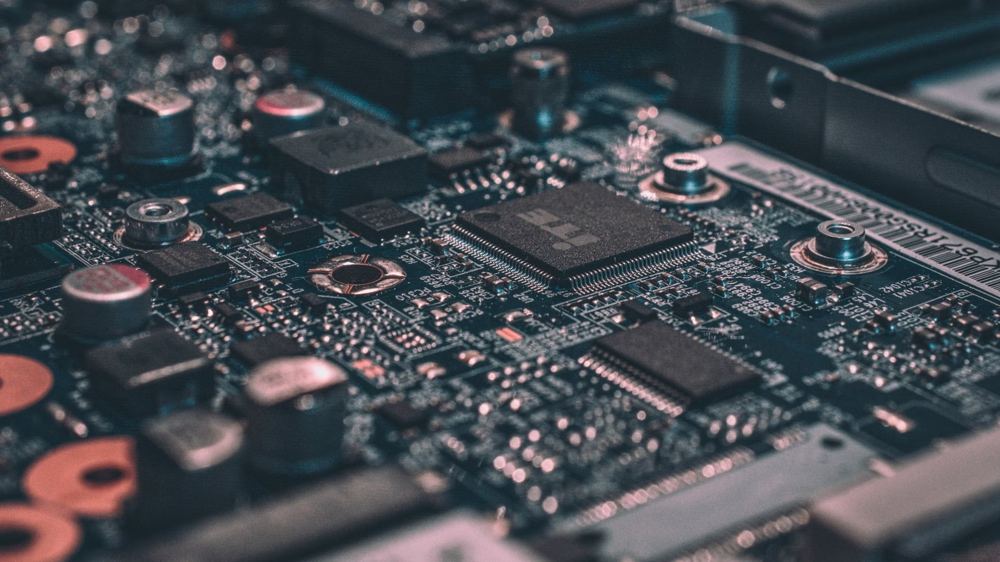
Electronics makers have set up procurement “war rooms” to hunt for memory chips. Prices for some chips have risen tenfold in a year, Jiyoung Sohn and Sooyoung Rhee reported for The Wall Street Journal. Staff scour eBay, call hundreds of brokers and buy batches as small as five to 12 units, the newspaper found. Smaller […] This story continues at The Next Web
Electronics makers have set up procurement “war rooms” to hunt for memory chips. Prices for some chips have risen tenfold in a year, Jiyoung Sohn and Sooyoung Rhee reported for The Wall Street Journal . Staff scour eBay, call hundreds of brokers and buy batches as small as five to 12 units, the newspaper found.
Smaller firms are hit hardest. Large buyers can lock in supply through long-term deals with the chipmakers. Others rely on brokers and the grey market. Some sellers there mix used chips into orders of new ones, the Journal reported.
“Suddenly, I’ll hear a string of bad language and ask what’s going on,” Blackmagic Design chief executive Grant Petty told the Journal.
Taiwanese memory module maker Apacer has taken out loans so it has cash ready whenever supply appears, according to the report.
“If chips show up, we take it. This is crazy, but there is no other way,” Apacer president Gibson Chen told the Journal.
Thieves took about $100,000 of flash memory from one company’s warehouse in Indonesia, the paper reported. The firm suspects a former employee.
The Journal also carried a second-hand account of a meeting between Elon Musk and Samsung chairman Lee Jae-yong. Capital Group’s Carl Kawaja said Musk told him about it in June. Musk asked for a long-term memory deal, and Lee replied that everyone offers that.
“We get that offer from everyone. What else can you do for us?” Lee asked, according to Kawaja’s account.
Musk then offered to guarantee financing for a new Samsung chip plant, Kawaja said, and got the same answer. TNW has not independently verified the account. Sam Altman has also courted the company, meeting Samsung’s presidents in October.
The shortage comes as Samsung, SK Hynix and Micron move production to the high-bandwidth memory used in AI chips. SK Hynix has said tight supply could last until 2030 .
Consumers are already paying. In India, around 48 Samsung and Xiaomi phone models went up by ₹1,000 to ₹4,000 in mid-November, Inc42 reported . Samsung’s Galaxy A07 5G now costs ₹22,999, up from ₹20,999.
AI start-ups are feeling it in the cloud. GPU rental prices in India have risen 30% to 35% since February, Subhashish Banerjee, co-founder of Bharat1 AI, told Inc42. Providers now want three to six month commitments from start-ups that once booked a few hours at a time.
Some are cutting their needs instead. SquadStack, which runs voice AI agents, built smaller models trained on its own call data. Fewer tokens per call cut its costs even as hardware got pricier, chief executive Apurv Agrawal told Inc42. Memory costs have also hit Xiaomi’s quarterly profit and Apple’s margins .