Catalonia ends wildfire lockdown as extreme heat threatens Spain
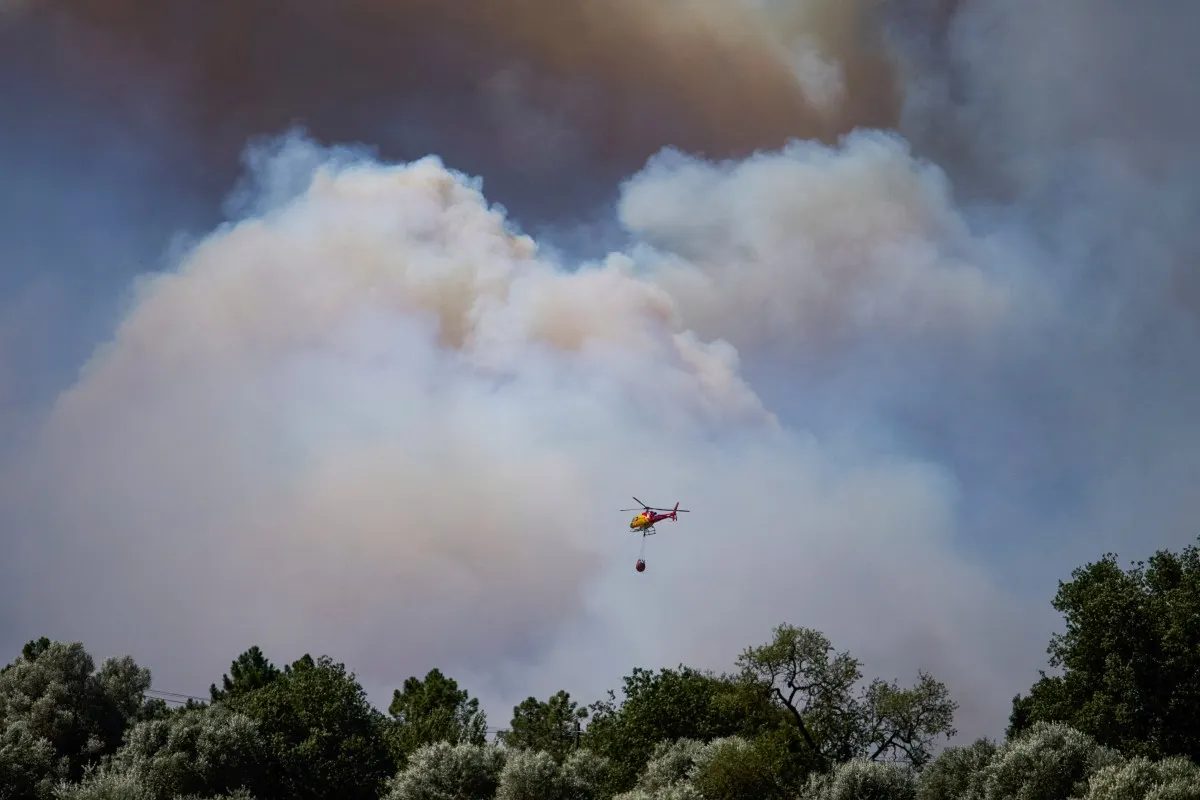
Authorities have lifted confinement orders for eight municipalities after firefighters contained a 2,300-hectare blaze, though a worsening heatwave threatens to disrupt regional tourism and further strain emergency resources.
Firefighters have brought a massive wildfire in northeastern Spain under control, prompting the Catalan government to lift lockdown measures for eight municipalities near Girona. The blaze, which broke out on Friday, tore through 2,300 hectares of land, injured eleven people, including five civilians, and destroyed eight houses.
Over 500 personnel, including firefighters, military emergency units, forest defence volunteers, and local farmers, worked through the night to establish a 40-kilometre perimeter. The swift deployment of state and civilian resources highlights the significant financial and logistical burden placed on regional governments during climate-driven crises.
The wildfire carries direct economic consequences, particularly for the local leisure sector. The Gavarres massif will remain closed to all sports and recreational activities until midnight on July 10. Authorities are actively discouraging "fire tourism" to keep emergency access routes clear, warning that crews cannot afford simultaneous operations.
Contractor faces investigation
The crisis originated from a roadside incident involving a joint venture between infrastructure firms Aquaterra and Rubau. A worker using an angle grinder sparked the fire; he was arrested but subsequently released by a judge at the Bisbal court on Sunday and remains under investigation. The involvement of a commercial maintenance contractor raises questions regarding corporate liability for the destruction.
The immediate danger is far from over. Temperatures are forecast to exceed 42C on Monday and potentially reach 44C on Tuesday, creating conditions that could easily reignite the Girona blaze. Catalan president Salvador Illa cautioned that it could take until the middle of the coming week to fully extinguish the flames.
The extreme heat is driving a broader emergency across Spain's northeastern regions. In Aragon, authorities raised the forest fire risk to red, the highest alert level, across 17 areas on Sunday. A separate fire near Loporzano forced the evacuation of 30 residents from the villages of Chibluco and San Julián de Banzo.
Aragon's environment minister, Luis Biendicho, said efforts were focused on "smothering" the fire and "dropping a lot of water" to cool the ground. The mobilization of military units for a second major blaze underscores the escalating strain on public resources as southern Europe enters the peak of its summer heatwave season.