UN warns of structural racism as Austrian hate incidents rise
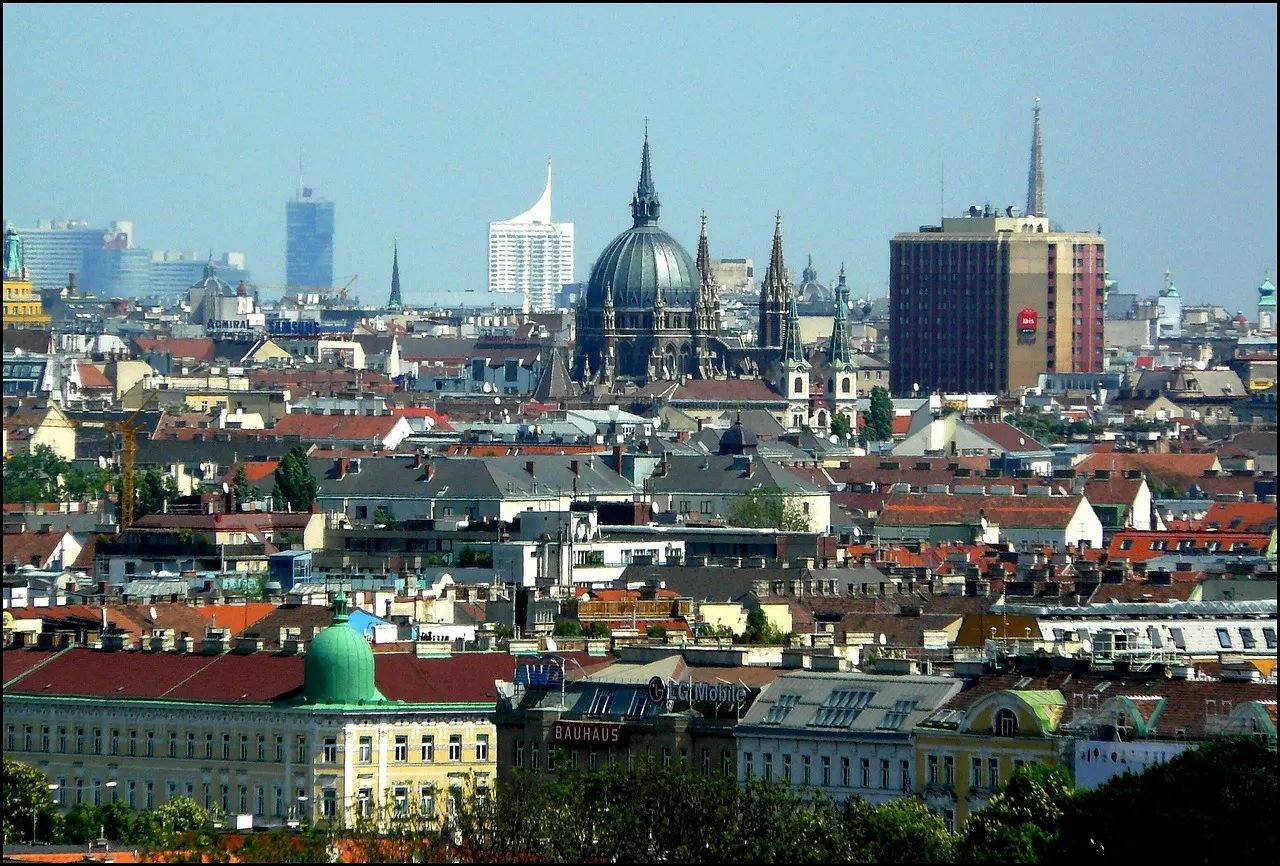
Record levels of racist and anti-Muslim incidents in Austria have prompted a UN warning of a "structural racism problem", reflecting deepening social fractures as far-right political influence grows.
Anti-racism organisation ZARA documented 1,539 racist incidents in Austria last year and provided 2,362 individual counselling sessions. The Documentation and Advice Centre on Islamophobia and Anti-Muslim Racism (Dokustelle Austria) recorded 1,684 incidents in 2025, the highest figure since its founding. Both organisations warn these numbers represent only a fraction of the actual abuse, as most victims never formally report their experiences.
The documented cases range from everyday discrimination to severe violence. Among the most serious incidents recorded in 2025 were shots fired at a mosque in Lower Austria and a suspected anti-Muslim motive behind a murder in Vienna's Donaustadt area in October. Victims also reported frequent discrimination when applying for jobs or housing, as well as abuse in public spaces and online.
The scale of the problem has drawn international scrutiny. On July 2, UN Special Rapporteur Ashwini K.P. told the UN Human Rights Council that Austria has a "structural racism problem". She voiced specific concern over rising anti-Muslim racism and anti-Semitism, urging the government to adopt a comprehensive National Action Plan against racism.
Domestic civil society groups said the UN findings validated their long-standing warnings. Amnesty International Austria and ZARA argued that racism must be tackled as a structural issue rather than a series of isolated incidents. This rise in documented abuse coincides with growing political support for the far-right, anti-immigration Freedom Party, whose "remigration" rhetoric has alarmed many foreigners who feel racism is becoming more openly accepted.
For a European economy reliant on foreign labour, these dynamics pose tangible risks to social cohesion and workforce stability. Discrimination in the labour and housing markets directly undermines integration efforts and can deter international talent. While 56 percent of the incidents documented by ZARA took place online, the remaining 44 percent happened in physical spaces including education facilities, housing offices, public areas, and during interactions with police and authorities.
Individuals facing discrimination have several avenues for support. The Ombud for Equal Treatment acts as Austria's official anti-discrimination body, providing free, confidential advice on issues including workplace bias and housing denial. ZARA offers free counselling, accepts incident reports online in English, and can provide legal guidance.
If an incident escalates to a criminal offence such as violence or harassment, victims or witnesses can contact the police. Anyone in Austria can report a suspected crime regardless of whether they were the target, and those who do not speak German can request an interpreter. Government hotlines, including a dedicated discrimination line, and the Arbeiterkammer for workplace issues, serve as additional referral points.