France rethinks air conditioning as heat deaths mount
A sharp rise in heat-related deaths is forcing French politicians and environmentalists to abandon their longstanding opposition to air conditioning, signalling a potential shift in building regulations and a looming surge in installation demand.
Extreme heat is forcing a political shift in France as policymakers confront the lethal limits of the country's resistance to air conditioning. Around 1,000 excess deaths were recorded during the current heatwave, with 85 percent of the victims over 65, according to preliminary figures from the French public health authority.
The mortality data has fractured a long-standing consensus. Far-right leader Marine Le Pen has called for a state-supported mass rollout of air conditioning units. More significantly, Marine Tondelier, leader of the green Ecologists party, broke with her party's traditional hostility. “There are places where we simply can no longer do without it,” she said, specifically referencing schools and hospitals.
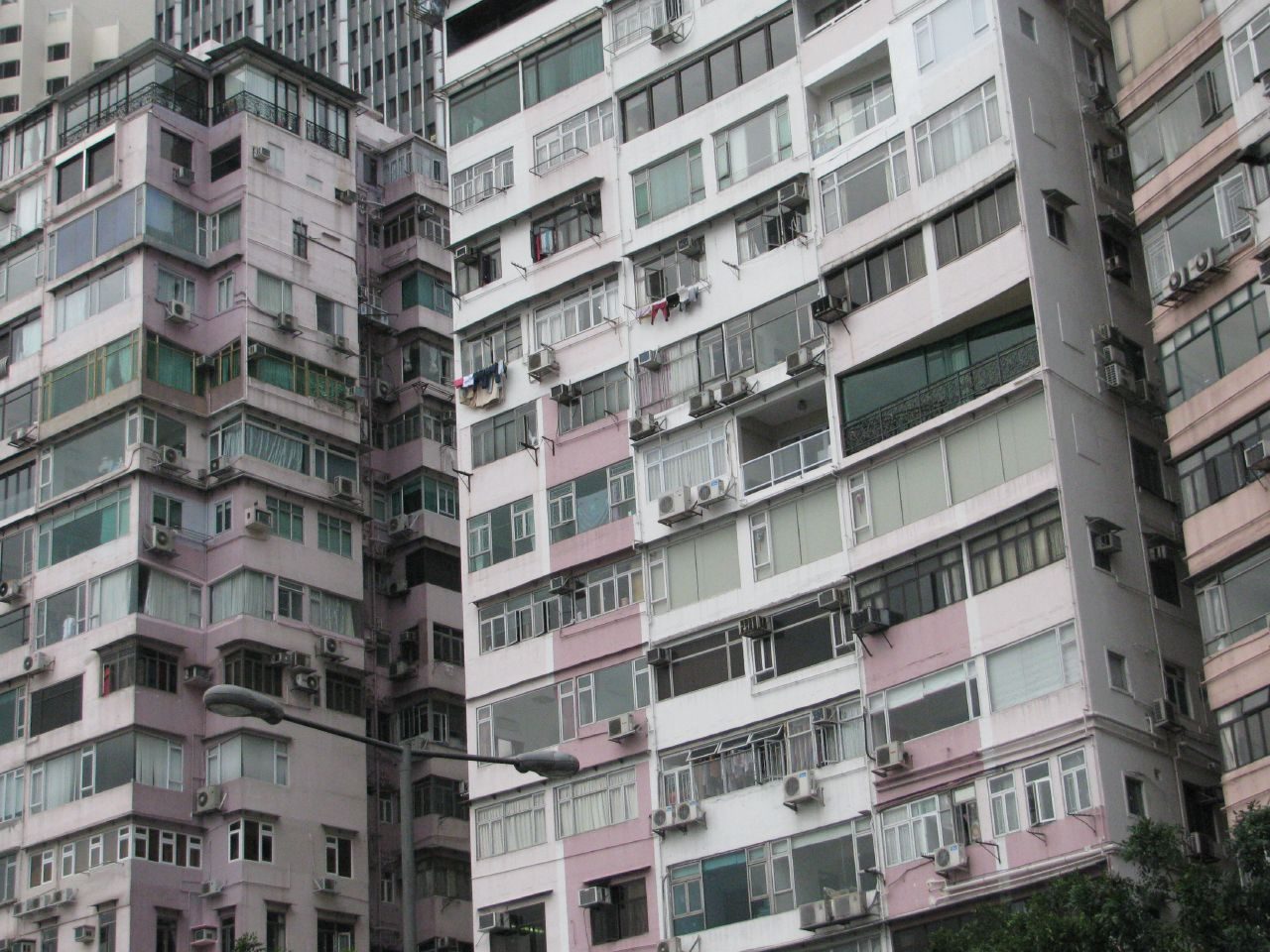
France's current infrastructure is starkly unprepared for these temperatures. Only one in four households have air conditioning, compared to 90 percent in the United States. The deficit extends to critical public infrastructure, with just 14 percent of schools equipped for cooling and many lacking functional windows or shutters, forcing recent closures. Hospitals and care homes are similarly unequipped, placing medical staff and vulnerable patients at severe risk.
A regulatory shift looms
For the construction and HVAC sectors, this shifting rhetoric hints at a pending market transformation. Successive French governments have strictly regulated AC installations, particularly in historic city centres, while building standards prioritised natural ventilation and insulation over mechanical cooling. A policy reversal would remove bureaucratic bottlenecks and unlock significant public and private investment. This dynamic is already visible in Nantes, where doctors' unions are protesting a new hospital planned with air conditioning in only half of its rooms.
Environmental concerns about electricity use and refrigerant leaks have historically driven public scepticism, with eight in ten French respondents viewing air conditioning as harmful to the environment. However, France's energy mix, 70 percent low-carbon nuclear, mitigates the carbon penalty of increased cooling demand compared to its European neighbours.
Meteorologists are forecasting another heatwave starting on 6 July, with temperatures potentially reaching 45°C, adding urgency to a debate that has already cost thousands of lives. Last summer's heatwaves killed approximately 5,700 people in France, and authorities warn this summer could rival the 2003 heatwave that caused 14,800 excess deaths.