UK planning shift risks 32,000 affordable rural homes
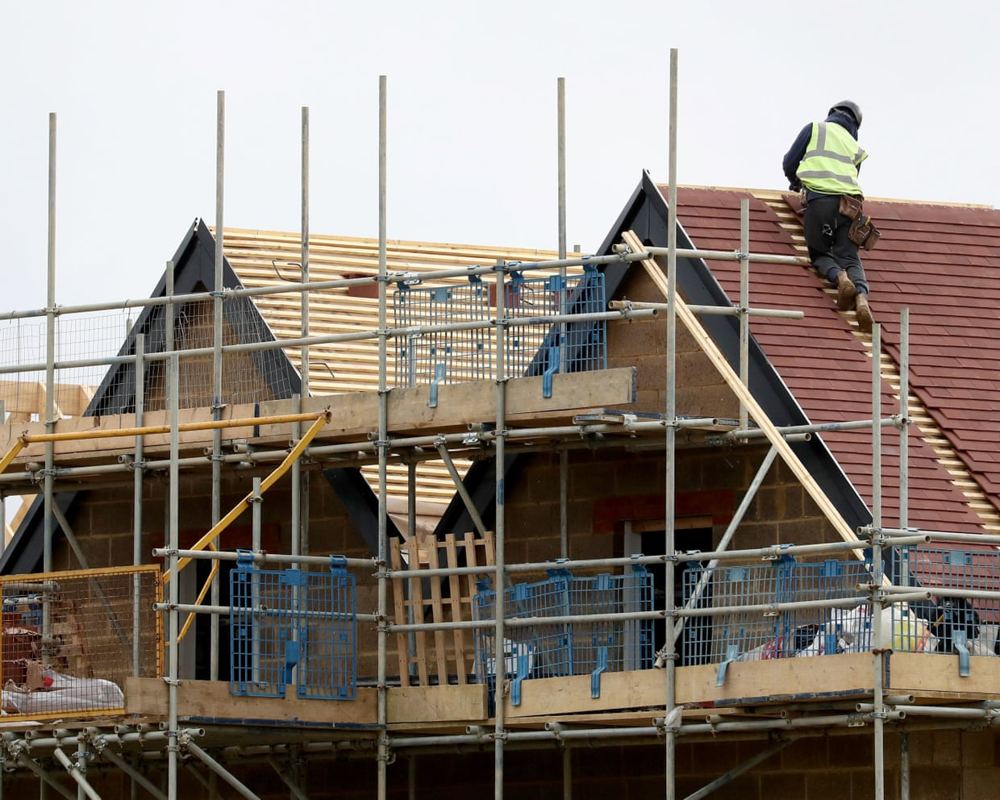
The UK government is weighing plans to scrap affordable housing quotas for medium-sized developments to kickstart construction, risking 32,000 rural homes over the next decade.
The UK government is preparing to decide within weeks whether to relax affordable housing requirements for private developers building between 10 and 49 homes. Under current rules, known as section 106 agreements, builders must include a quota of affordable units in such projects. Ministers are considering allowing developers to simply pay cash to local authorities instead.
Analysis by the National Housing Federation (NHF) indicates this shift would disproportionately affect rural communities. In the most rural parts of England, more than half of all affordable homes are built on sites of this exact size. The federation, which represents housing associations, projects the policy change would eliminate 32,000 affordable homes over the next ten years.
The debate highlights a growing tension in the UK economy between stimulating private construction and maintaining social housing supply. Section 106 agreements currently account for 36% of all affordable homes delivered in 2024-25, a critical share given the historically low rates of public council housebuilding. For developers, however, these quotas represent a financial burden at a time when elevated material costs and expensive borrowing are already squeezing margins.
Even when affordable units are mandated, the current system is struggling to function effectively. Cash-strapped housing associations frequently lack the capital to purchase these homes from developers once they are completed. This market failure has prompted the government to look for alternative ways to unlock stalled sites, such as the cash-in-lieu payments now under consideration.
This approach mirrors recent policy adjustments in the capital. In London, the mayor and ministers have already reduced affordable housing requirements for fast-track planning permissions. That change followed a sharp drop in construction, with annual building rates plummeting to just a few thousand units.
The economic consequences of reducing rural affordable housing extend well beyond the property market. “Rural families are already in the most acute need of affordable homes, often priced out of the communities they call home, and these proposals risk making the rural housing crisis even worse,” said Kate Henderson, chief executive of the NHF. She warned that removing the requirement would lead to longer waiting lists, rising homelessness, and staff shortages in local schools and businesses.
The Ministry of Housing, Communities and Local Government stressed that no final decision has been made. “We are committed to making the process simpler and more transparent, so we can get on and build the homes and infrastructure this country desperately needs,” a spokesperson said. The technical tweak is advancing despite instructions to pause major announcements before the expected arrival of the next prime minister, Andy Burnham, whose spokesperson declined to comment.