Black Sabbath Dio lineup reunites under Heaven And Hell name
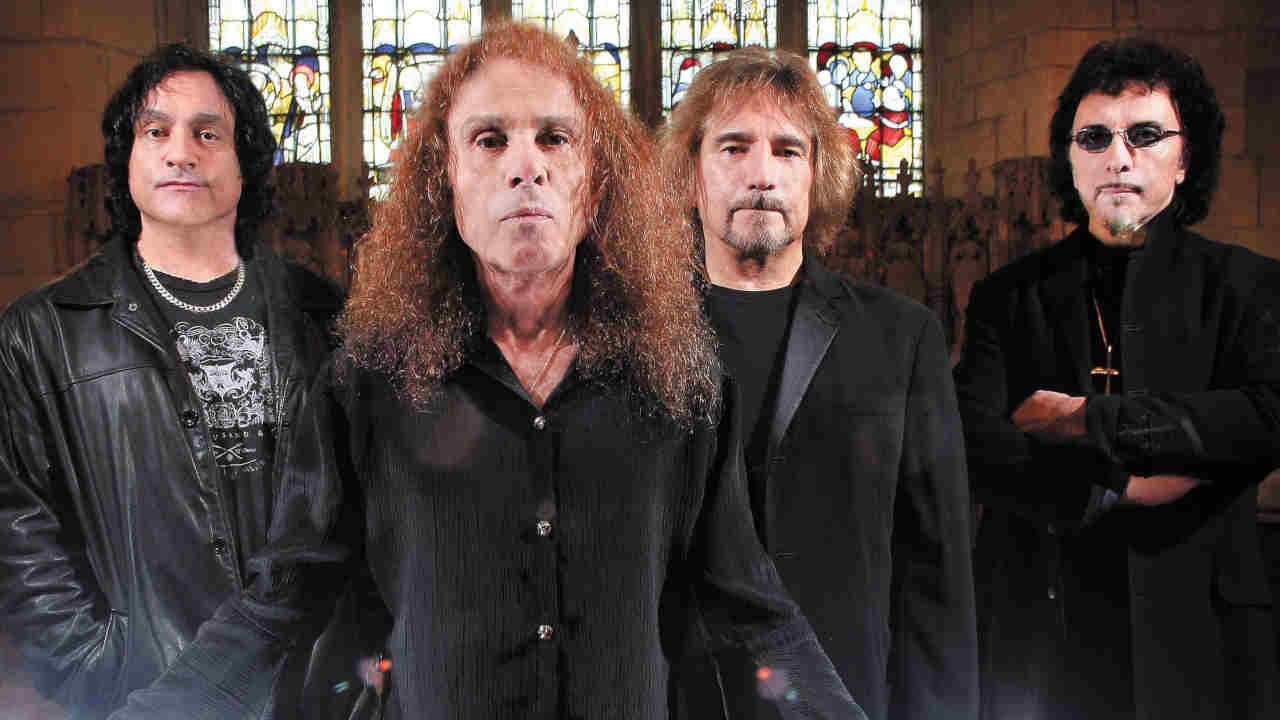
Black Sabbath guitarist Tony Iommi is taking the band's Dio-era lineup on the road under a new name to support a compilation, a strategic move to avoid market confusion with the original group's planned reunion.
The musicians behind Black Sabbath’s 1980 and 1981 studio albums are reuniting for a UK tour, but they will not perform under the Black Sabbath name. Instead, the lineup featuring guitarist Tony Iommi, bassist Geezer Butler, singer Ronnie James Dio and drummer Vinny Appice will tour as Heaven And Hell.
The tour was triggered by a request from Rhino Records. The label was compiling Black Sabbath: The Dio Years and asked Iommi’s management if any unreleased material existed for the package. When none was found, Iommi reached out to Dio for the first time in over a decade to record new tracks.
The decision to use the Heaven And Hell moniker is a deliberate branding exercise to protect Black Sabbath’s commercial core. Iommi, who owns the rights to the band’s name and is the sole member to have appeared on every recording, opted for the alternate name to avoid confusing the market. Ozzy Osbourne’s camp has already stated that the original Osbourne, Iommi, Butler and Bill Ward lineup will tour late next year alongside a new album.
What began as a studio project quickly scaled into a full tour. “At first we only planned on doing two songs, but then two became three, and from there we went to, ‘How about a tour?’” Iommi says. The resulting tracks, Shadow Of The Wind, The Devil Cried and Ear In The Wall, will appear on the Rhino compilation.
Splitting the band’s identity allows Iommi to monetize two distinct eras of the group’s catalogue simultaneously. The Dio era, while sometimes overshadowed by the original 1970s lineup, produced two highly regarded albums that revitalized the band during a period of commercial decline and internal dysfunction.
Dio originally joined the band in 1979 after the group’s output with Osbourne had stalled. “The record company kept asking: ‘Where’s our album?’ Well, we didn’t have it!” Iommi says. “We were coming up with some riffs, but Ozzy just… wasn’t capable of singing to them at the time.”
Bringing in Dio updated the band's sound and rescued the business. “When we came out with Heaven And Hell, Black Sabbath was reborn,” Dio says. Butler notes the commercial logic of the current reunion: “We’d been doing the reunion thing with Ozzy for so long. No disrespect to that, but we’ve got some great songs and this is a great line-up.”
By bifurcating the brand, the band can cater to overlapping but distinct audiences without over-saturating the market under a single banner. For the business behind the music, it represents a calculated expansion of their touring and recording assets.