UK intercepts Russian jet near carrier amid £15bn defence row
A dangerous close encounter between a Russian aircraft and a British carrier group highlights the security pressures driving London’s newly announced but internally contested €17 billion defence spending increase.
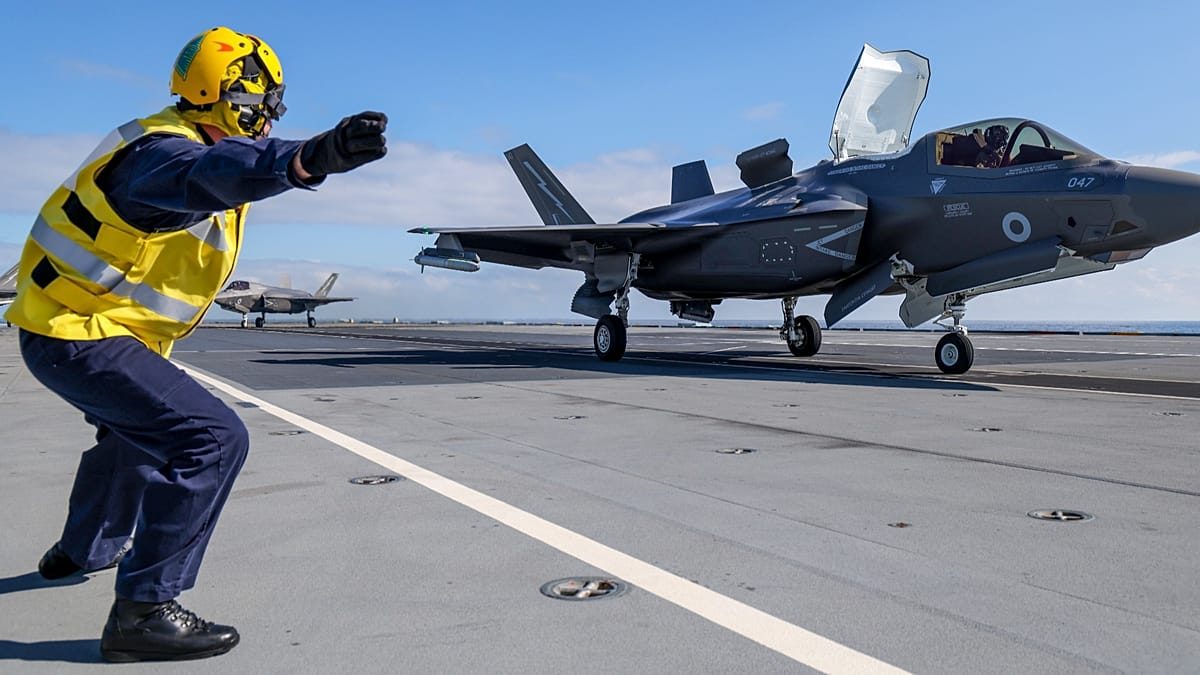
Two British F-35 fighter jets scrambled from the HMS Prince of Wales last Thursday to intercept a Russian Bear-F patrol aircraft in the Norwegian Sea. The UK defence ministry stated the Russian plane flew at a low altitude, passed "unnecessarily close" to the carrier group, and dropped sonar devices nearby. "This activity was unsafe and unprofessional," a ministry spokesperson said.
The incident occurred off Iceland during a mission marking the first time F-35s have executed NATO air defence operations from a European aircraft carrier. The Royal Navy vessel is currently leading a deployment tasked with defending the North Atlantic "against increasing Russian threats," a region where experts note Moscow has recently intensified its hybrid warfare tactics.
The interception coincided with a weekend visit to the carrier by UK Defence Secretary Dan Jarvis and Icelandic Foreign Minister Thorgerdur Katrin Gunnarsdottir. "We live in an increasingly dangerous and uncertain time and it's deployments like this, supported by allies and partners including Iceland, that improve our deterrence and defence as part of NATO," Jarvis said. Gunnarsdottir called the deployment "a clear demonstration of NATO's enhanced presence in this strategically important region."
Fiscal strain of rearmament
For European capitals monitoring the continent's military build-up, the timing of the aerial encounter is notable. It happened just days after outgoing Prime Minister Keir Starmer unveiled a 10-year Defence Investment Plan, announcing an aim to spend almost £300 billion (€350 billion) over the next four years. The blueprint includes an additional £15 billion (€17 billion) for defence spending up to 2030.
However, the financial commitment exposes a sharp internal debate over the true cost of European security. The £15 billion injection fell significantly short of the £28 billion (€32 billion) the defence ministry had reportedly requested. Jarvis only assumed his post less than a month ago after his predecessor, John Healey, resigned by accusing the government of failing to commit adequate funds to military modernisation.
The urgency of the funding dispute is driven by UK intelligence assessments suggesting Russia could attack a NATO country by 2030. As Moscow tests NATO boundaries with aggressive patrols near critical transatlantic routes, European governments are facing the difficult reality that their fiscal plans may not yet match the pace of the evolving threat.