Spain grants record 299,732 citizenships as numbers treble since 2018
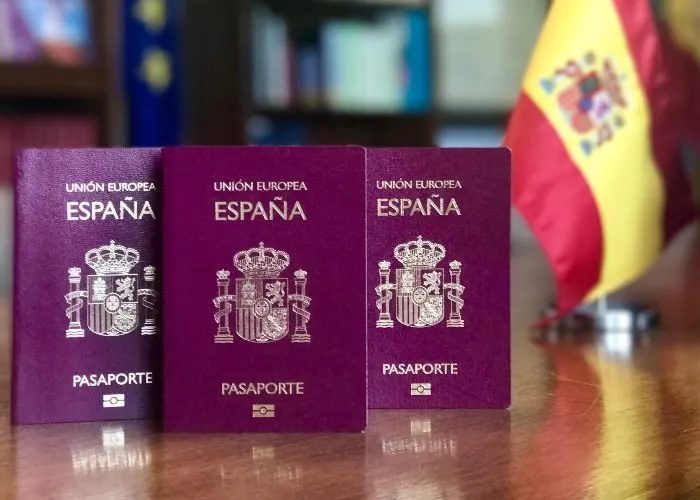
Spain granted a record number of citizenships in 2025, a demographic shift that will expand the permanently settled labour force in key economic hubs like Madrid and Catalonia.
Spain granted citizenship to 299,732 foreign residents in 2025, an 18.7 percent increase on the previous year and "the highest on record", according to the national statistics institute, INE. The vast majority of these grants were processed through standard residency routes.
To qualify, most foreigners must prove ten years of continuous legal residence, though refugees need only five. Nationals from Latin American countries, Portugal, the Philippines, Equatorial Guinea and Andorra require just two years. For businesses, this two-year fast track ensures a rapid transition for a large segment of the foreign workforce into the fully integrated domestic labour pool.
The regional concentration of these new citizens highlights their economic importance to Spain's largest hubs. Catalonia recorded 70,933 new citizens, followed closely by Madrid with 69,566. Moroccans formed the largest individual group at 42,114, ahead of Colombians (37,712) and Venezuelans (36,271).
While the annual figure has trebled since Prime Minister Pedro Sánchez took office in 2018, when 90,774 citizenships were granted, the trend is not a historical anomaly. Under the previous centre-right administration of Mariano Rajoy, Spain awarded 225,793 citizenships in 2013 and 205,880 in 2014.
The apparent surge under the current Socialist government is largely a statistical rebound from a severe administrative drop-off. Concessions plummeted to 66,498 in 2017 before slowly recovering to 98,954 in 2019. Furthermore, INE statistics record the year nationality is acquired, not when the application was submitted. Annual totals are therefore heavily distorted by bureaucratic processing speeds, administrative backlogs, and legislative changes.
Certain media outlets sympathetic to the opposition Popular Party have framed the data as a deliberate tripling engineered by the left. However, the historical record shows that granting hundreds of thousands of new nationalities annually is standard in Spain, regardless of the governing party.
The total scale of integration under the current administration is wider than the residency figures suggest. New legal pathways for non-residents, including provisions under the Historical Memory Law, have contributed to an estimated 1.8 million new Spanish nationals since 2018. This continued demographic expansion will have lasting implications for Spain's consumer base and regional economies.