Pochettino faces uncertain US future after World Cup last-16 exit
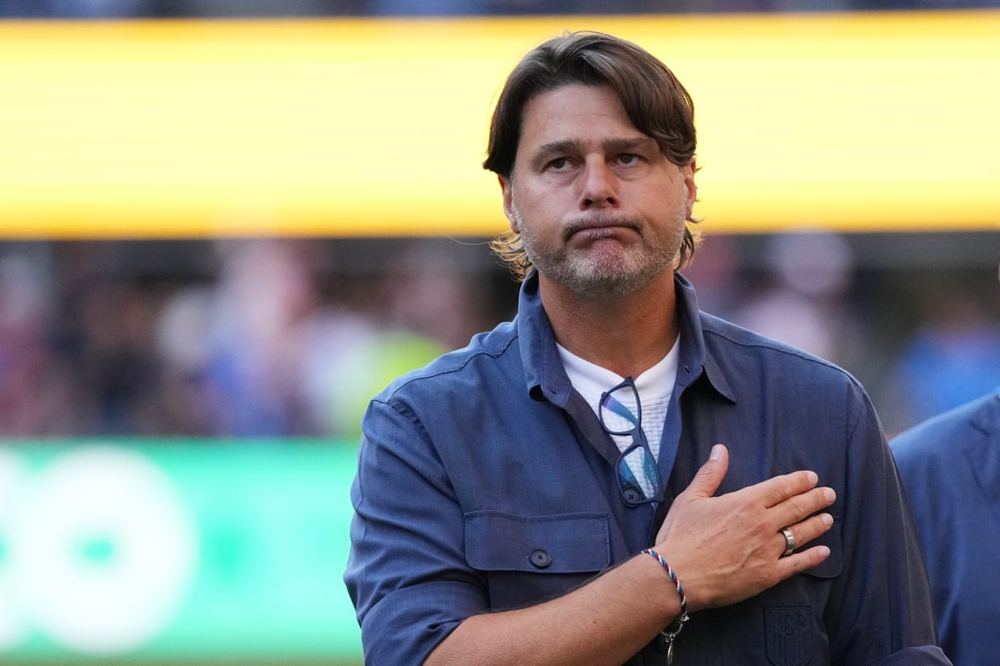
US Soccer must decide whether to retain Mauricio Pochettino after another last-16 World Cup exit, a choice that will shape American soccer's trajectory and the European managerial market.
Mauricio Pochettino’s tenure as head coach of the US men’s national team is under review after the side’s 4-1 last-16 elimination from the World Cup. US Soccer and the Argentine’s representatives are now entering a period of reflection to determine whether their partnership will continue.
Pochettino was brought in roughly 22 months ago as a high-profile, short-term hire designed to generate commercial excitement and deliver a respectable performance on home soil. While the team played entertaining football until the crashout, the final result mirrored the program’s previous three World Cup campaigns, all of which ended at the exact same hurdle.
The federation extended a contract offer ahead of the tournament, but both sides agreed to pause negotiations until after the competition. US Soccer confirmed on Tuesday that talks would resume following a period of rest. However, the federation’s statement carried a notably cautious tone, balancing gratitude for Pochettino with a blunt assessment: "shared clarity about the amount of work at all levels still required to achieve our ambition."
For his part, Pochettino framed his work as the foundation of a longer four-year cycle rather than a finished product. He argued that the tournament provided a definitive assessment of the player pool and established a sustainable mindset for the future. He indicated that staying on would allow him to make decisive moves. "If we commit to be here in the future, we have a clear idea of our decisions," he said.
The ultimate decision carries weight beyond American borders. Pochettino had never managed a national team before accepting the US role, and an early departure would immediately return a high-profile, experienced manager to the European coaching circuit. His availability would quickly alter the calculus for top-tier European clubs assessing their own managerial situations.
Despite his general popularity with American supporters and players, Pochettino has at times found it difficult to adapt to the differing cultural weight placed on football in the US. Whether he chooses to see through the structural progress he claims to have built, or opts to return to the day-to-day demands of European club football, a resolution is expected in the coming weeks. "I think now is a moment to sit, to assess the tournament," Pochettino said, "and for sure in the next weeks, we can start to talk."