Gulf strikes disrupt Hormuz shipping as EU confirms stable jet fuel
Renewed US and Iranian military strikes have reduced Strait of Hormuz shipping to a five-week low and pushed Brent crude up 3.3 percent, though Brussels says European jet fuel supplies remain secure.
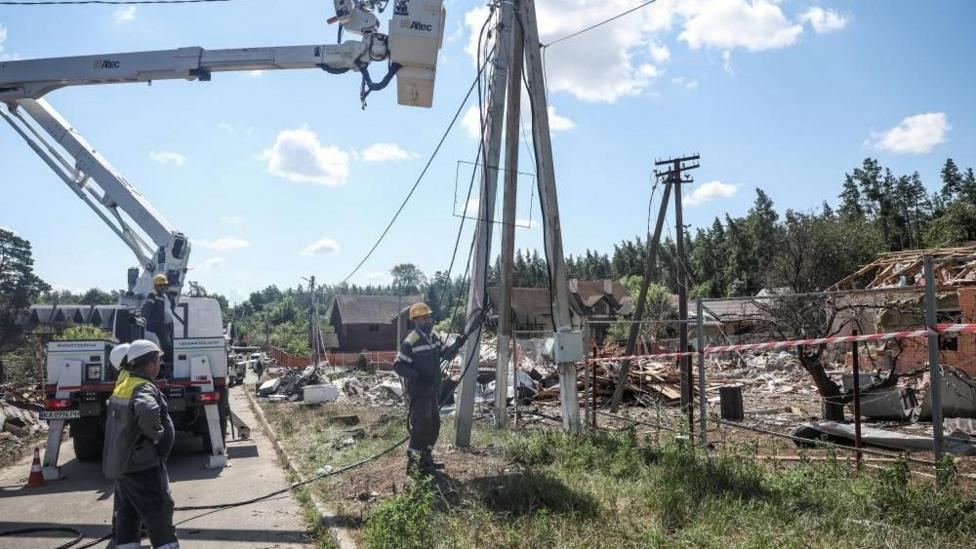
Iranian forces attacked military facilities in Bahrain, Kuwait, Oman and Jordan overnight, targeting US bases in a sharp escalation of the conflict over the Strait of Hormuz. The US responded with precision strikes hitting dozens of targets inside Iran, including locations in Abadan and Isfahan province. Iranian state media reported three deaths and eight injuries across the US attacks, while US Central Command said it has struck more than 300 Iranian military targets over three nights this week.
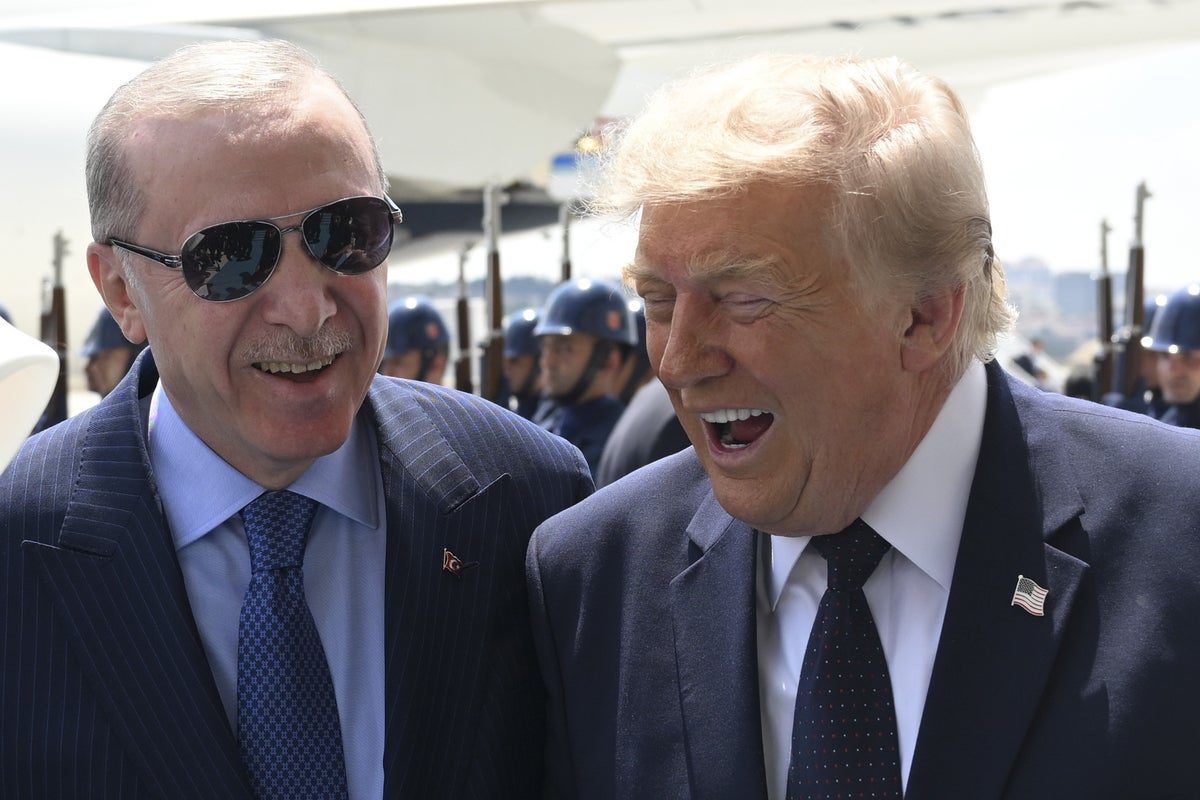
The violence effectively shatters a 60-day interim agreement signed last month to reopen the strait and end the war. Trump declared the ceasefire "over", calling further talks a "waste of time" after claiming Tehran had agreed to a "perfect" deal before launching attacks. At the centre of the dispute is physical control of the waterway, which before the war handled roughly one-fifth of global oil and liquefied natural gas shipments.
Iran is attempting to enforce a permanent permit and fee system, closing the strait to unapproved transit and disabling two ships on Monday. Washington rejects this authority, with the US military stating that 20 vessels were escorted through recently. However, independent data from Kpler shows only six vessels transited on Sunday, the lowest figure in five weeks, with most tankers switching off transponders and no visible LNG traffic.
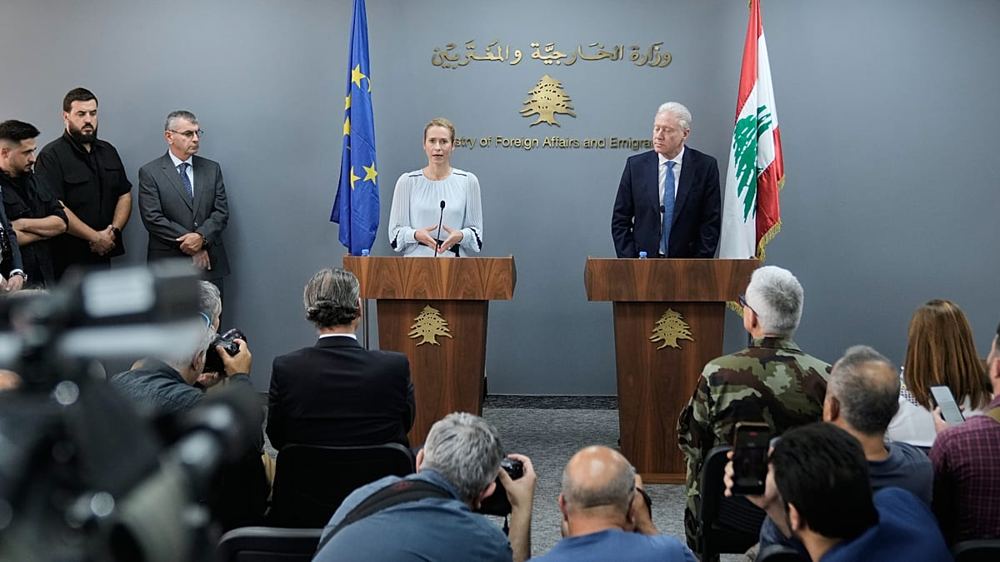
The disruption immediately fed into energy markets, pushing Brent crude up 3.3 percent to $78.50 a barrel, up from a recent trough of $70.14. Despite the price jump, an EU energy task force concluded on Monday that jet fuel supplies in the bloc remain "overall stable" due to increased EU refinery output and alternative imports. The task force warned the situation remains volatile, leaving European markets exposed to sustained premium pricing.
Diplomatic off-ramps appear limited as Iran's foreign ministry said US pressure is blocking a proposed joint management mechanism with Oman. With Iran insisting the strait is "our territory" and the US vowing to safeguard navigation, European economies face the prospect of prolonged energy uncertainty as long as the corridor remains a warzone.