Twelve NATO allies pledge £37bn for new European missile
A dozen NATO countries will spend £37bn on a UK-led long-range missile programme, signalling a major shift towards European defence independence amid US pressure to increase military budgets.
Twelve NATO countries, led by the UK, have announced a £37bn ($50bn) programme to develop a new long-range missile, marking one of the largest European defence procurement initiatives in recent history. The Deep Precision Strike project will be discussed today at the alliance's summit in Ankara.
The weapon is designed to hit targets nearly 200 miles away with pinpoint accuracy, possibly extending out to 1,250 miles. However, like many large-scale military programmes, the missile is not expected to be operational until the 2030s.
For European defence contractors, the decade-long investment represents a substantial pipeline of work. The UK government has already committed £300bn by 2030 through its Defence Investment Plan, and this multinational project will likely deepen supply chain integration across the continent.
The announcement also underscores Europe's urgency to build an independent military industrial base. US President Donald Trump has demanded allies spend 5% of GDP on defence and security by 2035. Sir Keir Starmer is expected to face criticism in Ankara for failing to outline a path to an interim 3.5% target. This pressure follows a June announcement by US Defence Secretary Pete Hegseth launching a six-month review of American force presence in Europe.
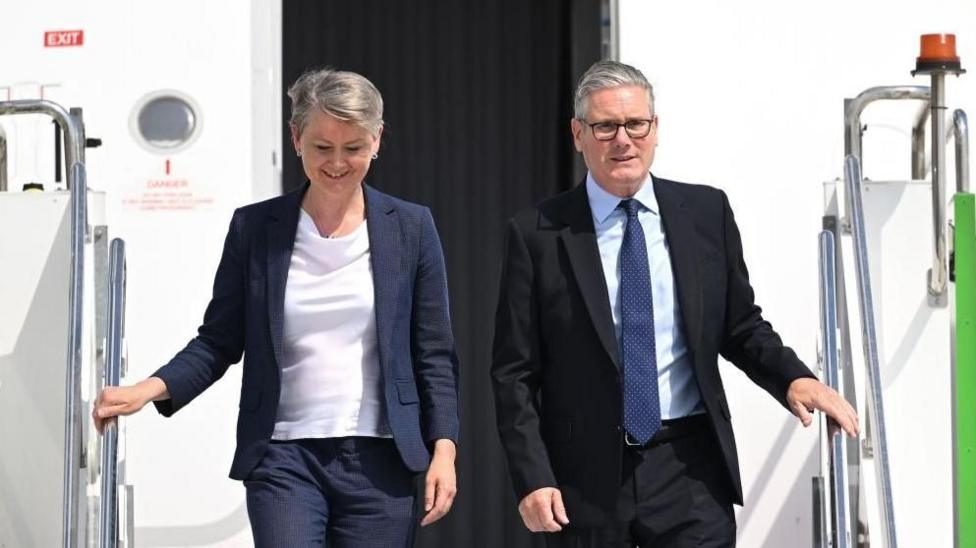
Foreign Secretary Yvette Cooper framed the project as a necessary response to a shifting security environment. "With deep precision strike capability, the UK and our allies will be able to hit high value military targets and the logistical engines that drive armies, deterring any aggressor and strengthening our mutual security," she said.
The immediate threat driving the spending was detailed by Number 10, which noted NATO has scrambled fighter jets more than 700 times to intercept Russian aircraft, while Russian military activity around UK waters has surged 30%. Sir Keir said the initiative would "help bring European allies together to keep Nato safe for years to come."
The missile project draws directly on lessons from the war in Ukraine. Ukrainian President Volodymyr Zelensky used the summit to urge allies for immediate air defence systems. Number 10 cited Ukraine's long-range strikes on Russian logistics and oil refineries, which have caused fuel shortages and power cuts, as proof that such capabilities can degrade enemy offensives.
Kremlin spokesman Dmitry Peskov said Russia would closely monitor the Ankara summit. "No new weapons Kyiv would get from Nato could prevent Russia from pressing on with its military operation," he told reporters, adding that a diplomatic settlement remained preferable.