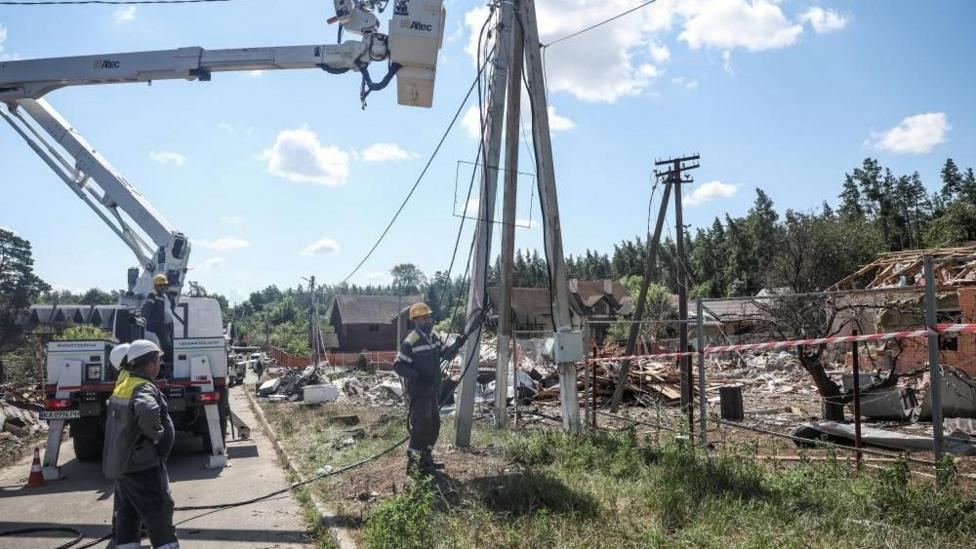
Ukrainian drones cripple Russian refineries, disrupting fuel exports
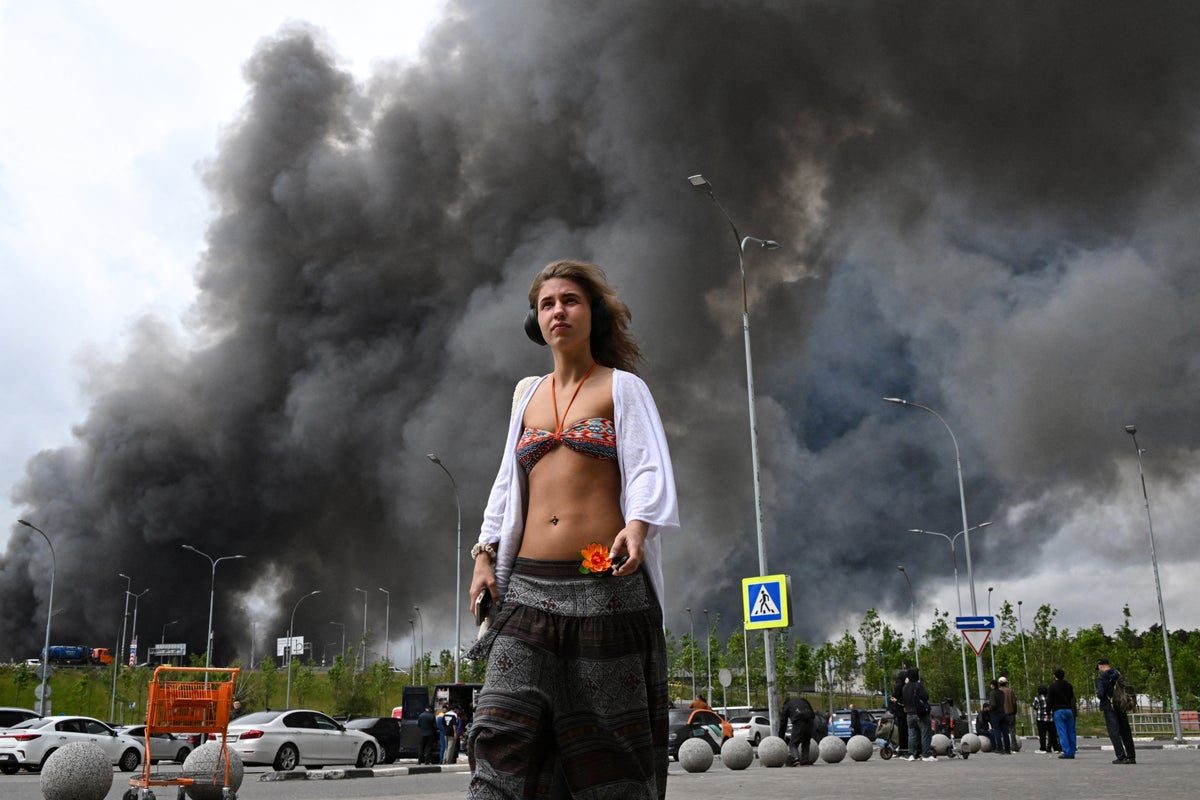
Ukrainian drone strikes have forced a wave of shutdowns at major Russian oil refineries and export terminals, deepening a domestic fuel shortage and threatening to reshape global energy flows.
Ukrainian drones struck Russia's largest oil refinery in Omsk, Siberia, this week, marking one of the longest-range attacks of the war. Governor Vitaly Khotsenko said air defences destroyed most of the drones, but a fire still broke out at the 22 million metric ton-per-year facility. The strike is the latest in a sustained campaign that has forced widespread processing halts across the Russian energy sector.
Over the past two months, Ukraine has systematically targeted key nodes of Russia's refining network. Lukoil's NORSI refinery, Russia's second-largest gasoline producer, suspended crude processing after a July 2 strike damaged its primary CDU-6 unit. That unit handles 25,700 metric tons per day, accounting for 53% of the plant's 16 million ton annual capacity.
The barrage has not spared other major facilities. Tatneft's advanced TANECO refinery halted operations in June after processing 17 million tons of crude last year to produce 8.5 million tons of diesel. Rosneft's Kuibyshev and Syzran plants, alongside the Moscow refinery and the 15 million ton-per-year Yaroslavl facility, have also been forced offline by drone strikes.
For European markets, the systematic degradation of Russian infrastructure carries distinct implications. While direct imports of Russian fossil fuels are sanctioned, Russia remains a critical global supplier. Sustained outages at massive refining hubs tighten global middle distillate supplies, potentially altering trade flows and pricing for buyers outside the continent who compete for non-Russian fuel.
The attacks are directly targeting the logistics of this trade. Ukrainian drones have damaged the Baltic Sea ports of Vysotsk and Ust-Luga, major oil exporting outlets. The Black Sea export hub of Tuapse halted operations in April, and loading complexes at Novorossiysk caught fire in June.
Inside Russia, the physical damage is translating into immediate economic friction. Authorities report that the drone campaign is intensifying fuel shortages, driving up prices and creating lengthy queues at petrol stations across numerous regions. By crippling both domestic refineries and the ports needed to move alternative supplies, Kyiv is eroding the operational capacity of a vital Kremlin economic engine.