Drone attacks on Russian refineries trigger domestic fuel crisis
Ukrainian drone strikes on major Russian refineries have triggered severe domestic fuel shortages, forcing a surge in car conversions to LPG and exposing the vulnerability of Moscow's energy infrastructure.
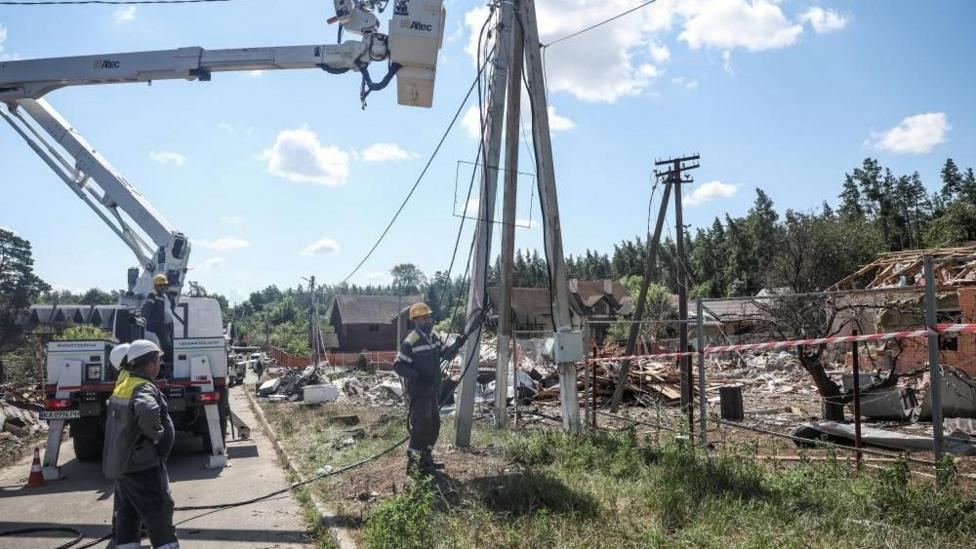
Ukrainian drone attacks have severely disrupted Russia's domestic fuel supply, leading to sharp price increases and long queues at petrol stations. This week, Russian air defences intercepted most drones in a strike on the Omsk refinery, the country's largest, located deep in Siberia. Governor Vitaly Khotsenko confirmed the attack, though the extent of the damage remains unclear.
The disruption follows a confirmed strike on July 2 against NORSI, Russia's fourth-largest refinery, which is owned by Lukoil. The attack damaged a primary refining unit, CDU-6, forcing the suspension of crude oil processing. The unit handles 25,700 metric tons of oil per day, or about 190,000 barrels, accounting for 53% of the facility's overall capacity.
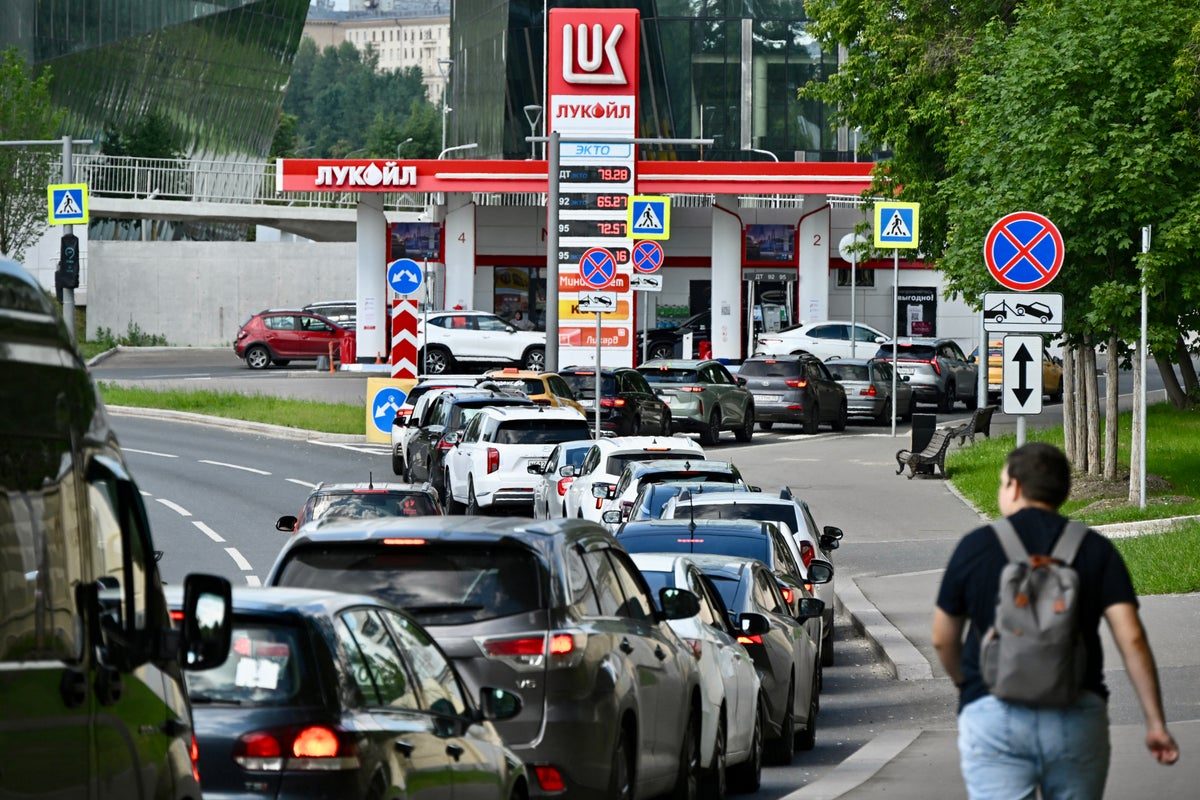
The resulting supply crunch has pushed domestic gasoline prices above European and American levels on some occasions. In response, Russian drivers are rushing to convert their vehicles to run on liquefied petroleum gas (LPG). Egor Popov, who runs the Moscow-based conversion company Garant-Gas, stated that "demand had multiplied." He added: "We have a waiting list until September."
The rush to LPG is overwhelming domestic refitters, with Sergei Medvedev of Medvedev GBO noting a massive spike in enquiries. "We had 276 calls in a day, but could only process around 30 or 40," he said. Medvedev highlighted the immediate appeal of the alternative fuel, stating: "No queues, with prices 50% or two thirds lower than gasoline at filling stations."
For European markets, the attacks underscore the expanding reach of Ukraine's military capabilities and the sustained vulnerability of Russian energy infrastructure. Russia was already the global leader in LPG car fuel, using 3.5 million metric tons in 2024, with motor fuel accounting for 54% of domestic LPG consumption. As Kyiv successfully targets deep inland facilities like the 22 million-metric-ton-per-year Omsk plant, the long-term reliability of Russia's refined oil output faces increasing pressure.