Oil surges 6% after US strikes Iran; European stocks drop sharply
US military strikes on Iran and the collapse of an interim ceasefire have driven crude prices up 6 percent, triggering a broad sell-off across European equity markets already under pressure from a cooling in technology shares.
US President Donald Trump declared a memorandum of understanding with Iran "over" at a NATO summit in Ankara. "To me, I think it's over. I don't want to deal with them," Trump told reporters. The declaration paved the way for fresh military strikes, with US Central Command reporting hits on more than 80 targets in Iran overnight, including coastal radar, anti-ship missile capabilities, and vessels operated by the Islamic Revolutionary Guard Corps. Washington also revoked a waiver that had permitted Iran to restart its oil exports.
The abrupt end to the interim accord triggered an immediate spike in crude prices. By mid-morning in Europe, Brent crude had jumped more than 6 percent to $78.79 a barrel, while the US benchmark climbed 6.3 percent to $74.88. The surge erased recent declines that had brought prices back down near pre-conflict levels, reviving concerns about potential disruptions to oil shipments through the Strait of Hormuz.
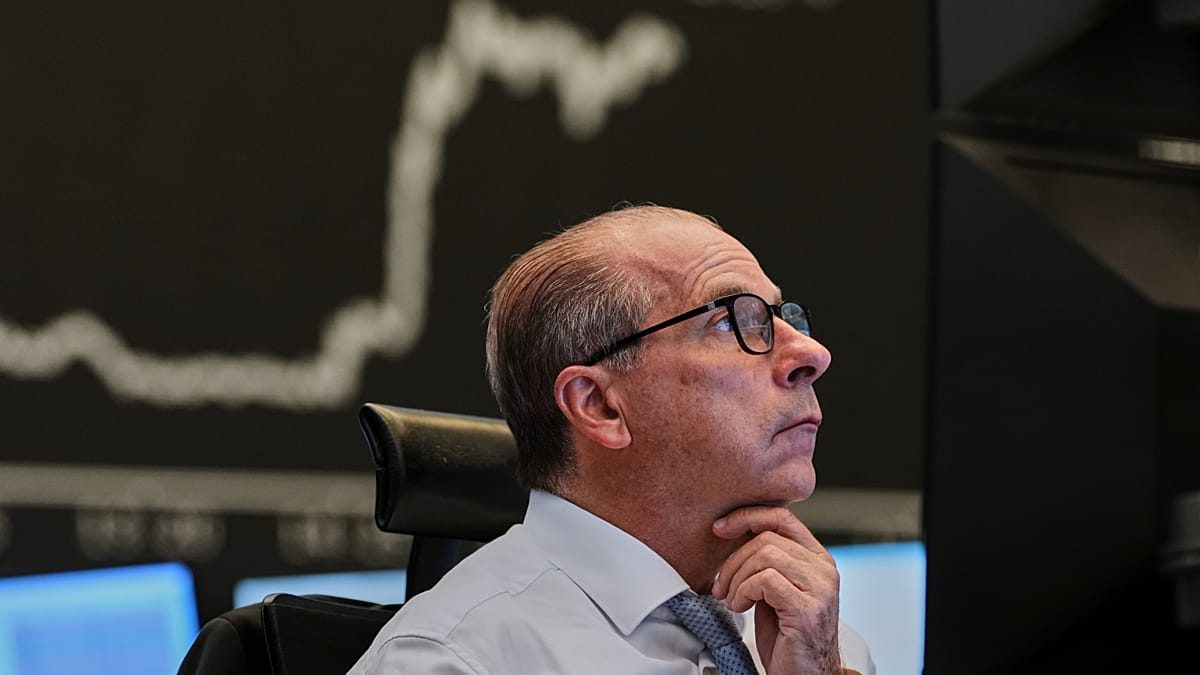
European bourses bore the brunt of the renewed geopolitical anxiety. Germany’s DAX shed more than 2.2 percent, France’s CAC 40 fell over 2 percent, and London’s FTSE 100 lost 1.5 percent. The losses reflect a dual shock for investors: the sudden inflationary threat of higher energy costs colliding with a sharp, ongoing correction in artificial intelligence-related technology stocks.
The tech sell-off originated in Asia, where South Korea’s Kospi plummeted 5.4 percent to 7,246.79 after briefly topping 9,000 last month. The index was dragged down by heavy losses in AI-focused chipmakers, with Samsung Electronics falling 6.3 percent and SK Hynix shedding 5.7 percent. Tokyo’s Nikkei 225 also lost 2.1 percent to 66,819.05.
The turmoil crossed into Wall Street, pulling the Nasdaq Composite down 1.2 percent. Advanced Micro Devices sank 6.5 percent, Intel shed 9.7 percent, and Micron Technology lost 4.7 percent. Even SpaceX, which owns the xAI business, fell 6.8 percent on its first day trading in the Nasdaq-100 index, a drop some analysts attributed to hedge funds flipping shares to index funds.
The declines underscore growing market scepticism that massive investments in chip capacity and data centres will translate into near-term profits. This narrow tech drag offset broader market strength, as the S&P 500 fell 0.4 percent on Tuesday even though the majority of its constituent stocks actually rose. Elsewhere, Rivian Automotive dropped 18.1 percent after announcing a 75 million share offering.
Currency and commodity markets reacted to the shifting risk landscape. The euro climbed slightly to $1.1426, while the US dollar edged up to 162.26 Japanese yen. Gold dropped around 1.5 percent to about $4,050, and silver fell roughly 2.5 percent to $58.
“As such, geopolitical headlines will likely determine market sentiment over the coming hours. A further deterioration in the situation could weigh further on equity valuations along with rising stress in technology,” said Ipek Ozkardeskaya of Swissquote. US stock futures were down more than 1 percent early Wednesday, indicating the downward pressure on European markets is unlikely to ease immediately.