England eye World Cup red card appeal after Fifa rule tweak
FIFA's surprise use of an obscure disciplinary clause to suspend a US striker's ban has paved the way for England to appeal Jarell Quansah's red card, exposing shifting governance at a World Cup where VAR intervention remains inconsistent.
England is preparing a potentially unprecedented appeal against Jarell Quansah’s red card after FIFA invoked a little-known disciplinary rule at this World Cup. The possibility of an appeal emerged after football's governing body used Article 27 of its disciplinary code to suspend the automatic one-match ban handed to USA striker Folarin Balogun.
Historically, red cards at international tournaments carried an automatic one-match suspension with no mechanism for appeal. FIFA's decision to waive Balogun's sanction, for a challenge on Tarik Muharemovic that endangered the opponent's safety, has fundamentally altered the disciplinary landscape for European teams competing in the tournament.
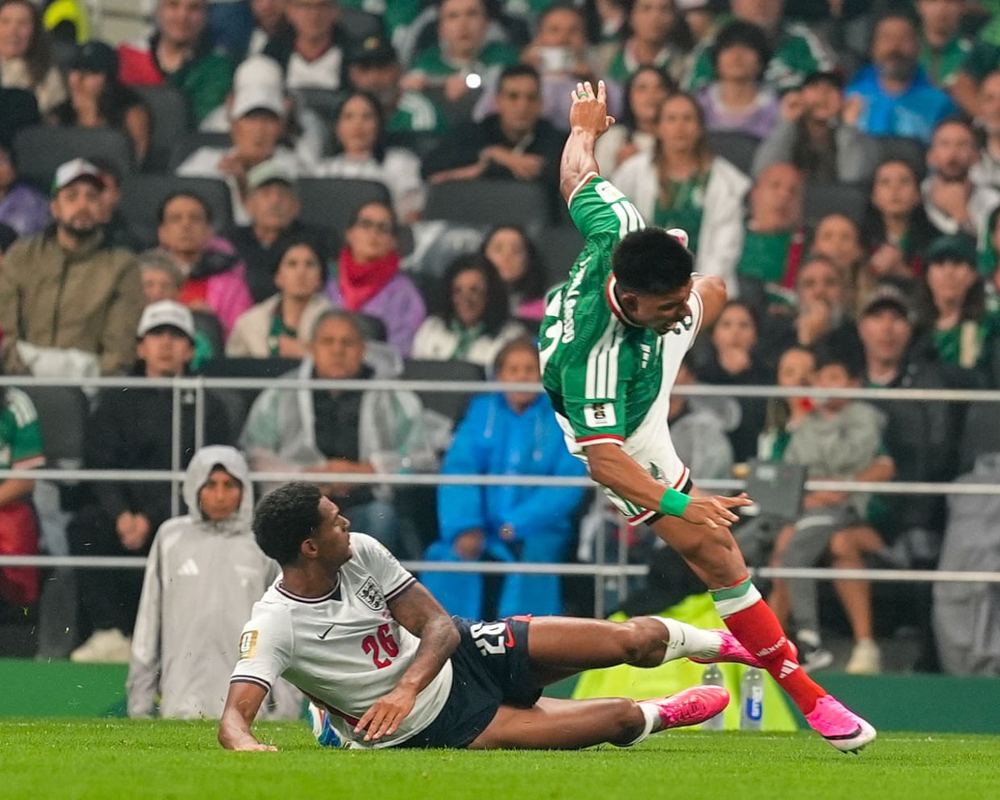
Quansah was sent off against Mexico after a VAR review upgraded his tackle on Jesús Gallardo to a red-card offence. The match, played in difficult weather conditions at the Azteca Stadium, was a volatile assignment for referee Alireza Faghani, with players feigning injury and both benches emptying during the incident.
The prospect of an appeal comes amid heightened scrutiny of tournament officiating. England manager Thomas Tuchel described the refereeing as "unreliable, erratic and not good enough" following the Mexico win. His comments, coupled with interventions from Donald Trump, have created significant external pressure on match officials.
Underlying the individual controversies is a broader shift in how FIFA is deploying video technology. The governing body has adopted a "high bar" for VAR interventions, mirroring the approach used in the English Premier League. The tournament has seen 13 red cards, a sharp increase from four at each of the previous two World Cups, driven largely by VAR correcting missed on-field decisions.
However, the strict threshold has produced inconsistent outcomes for European sides. VAR correctly awarded France a penalty against Paraguay after Ilgiz Tantashev missed a foul on Désiré Doué, though the referee lost control of the match by failing to issue yellow cards. Conversely, Brazil's Vinícius Júnior had a goal wrongly disallowed against Scotland due to an overzealous VAR intervention for minimal contact.
Harry Kane was also denied a penalty against the Democratic Republic of the Congo because the contact from goalkeeper Lionel Mpasi did not meet the "clear and obvious" error threshold. The most glaring anomaly came in Germany's match against Ecuador, where Leroy Sané's goal was allowed to stand despite teammate Aleksandar Pavlovic kicking Pedro Vite in the head during the build-up. The failure to penalise the high boot contrasted with a yellow card shown to England's Declan Rice for a lower tackle in the same matchweek, highlighting the subjective interpretations of the new VAR limits.