Kazakhstan lures hotel investors with rare casino permits in Burabay
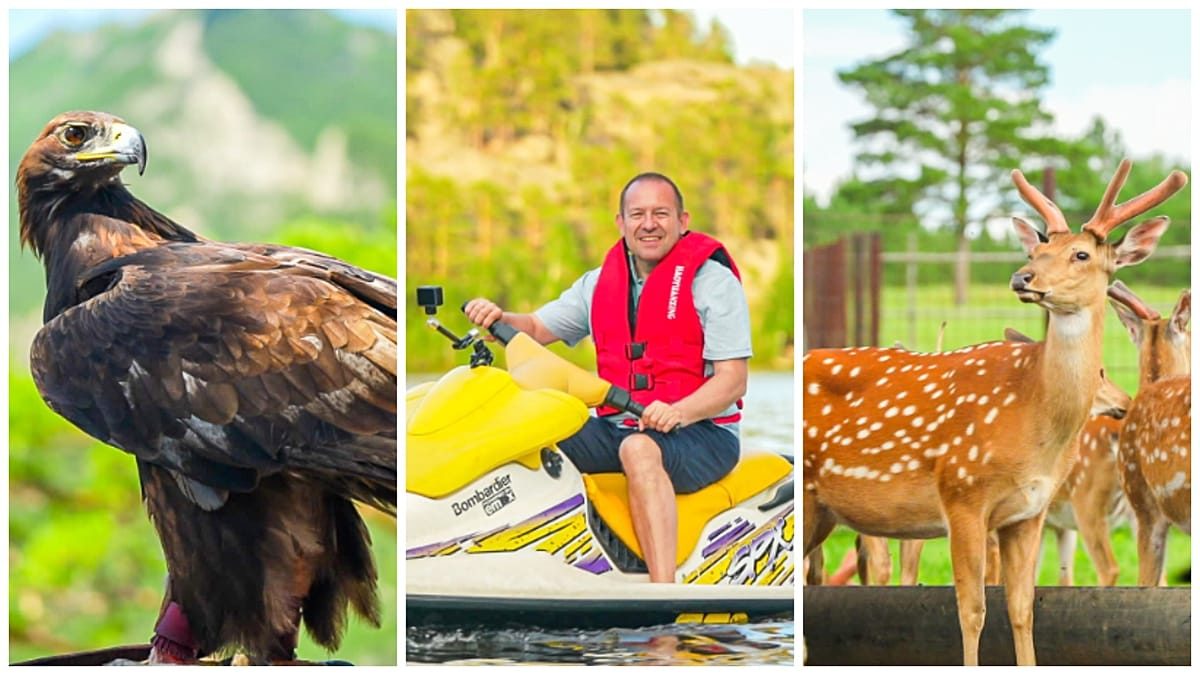
Kazakhstan is leveraging rare gambling permits and international hotel investments to transform Burabay National Park into a year-round economic hub, testing whether cultural tourism can attract foreign capital beyond Astana.
Burabay National Park, a three-hour drive north of Astana, welcomed 1.5 million tourists as local authorities execute a comprehensive plan to turn the pristine nature reserve into a year-round destination for congresses, gambling, and cultural tourism.
The strategy represents a deliberate shift to attract foreign capital and reduce the region's reliance on summer domestic visitors. For decades, the park has functioned primarily as a seasonal retreat for families, anchored by more than 20 children's camps inherited from the Soviet era and a dozen sanatoriums catering to respiratory health.
To unlock year-round revenue, the government has secured a rare exemption to Kazakhstan's general gambling ban specifically for Burabay. This concession is designed to draw visitors during the harsh winter months, when temperatures drop below -20 degrees Celsius and the frozen lakes deter all but the most dedicated eco-tourists.
International hospitality chains are responding to state incentives aimed at upgrading the local accommodation supply. “We already have two hotels but another three of very famous brands are being erected as we speak,” said Yernar Zharkeshov, Deputy Governor of the Akmola Region. A special government programme is actively encouraging three-, four-, and five-star international brands to construct properties in the park.
To complement this private hotel investment, authorities are expanding public infrastructure to support corporate travel. Astana has agreed to relocate one of its congress centres to the park, aiming to host up to 500 people at a time. Transport links are also being upgraded, featuring a modernised railroad, new carriages, and a recently overhauled station in the nearby town of Schuchinsk to handle increased visitor flows without exacerbating peak-season parking shortages.
Beyond casinos and conferences, the state is funding public-private partnerships to excavate and reconstruct ancient Saka civilisation burial sites dating back to 15 centuries BC. “That will be an attraction that people want to see because for the people of Kazakhstan, this has always been a holy place,” Zharkeshov said.
The rapid commercial development forces officials to balance economic growth with environmental preservation in the UNESCO-listed biosphere reserve. The park houses over 800 plant species and 300 vertebrate species, and authorities are attempting to manage visitor numbers through strict limits on fishing permits and the creation of designated eco-trails that keep mass tourism away from fragile wild forests.