Sweden's Liberals risk parliament exit with pro-business 2026 platform
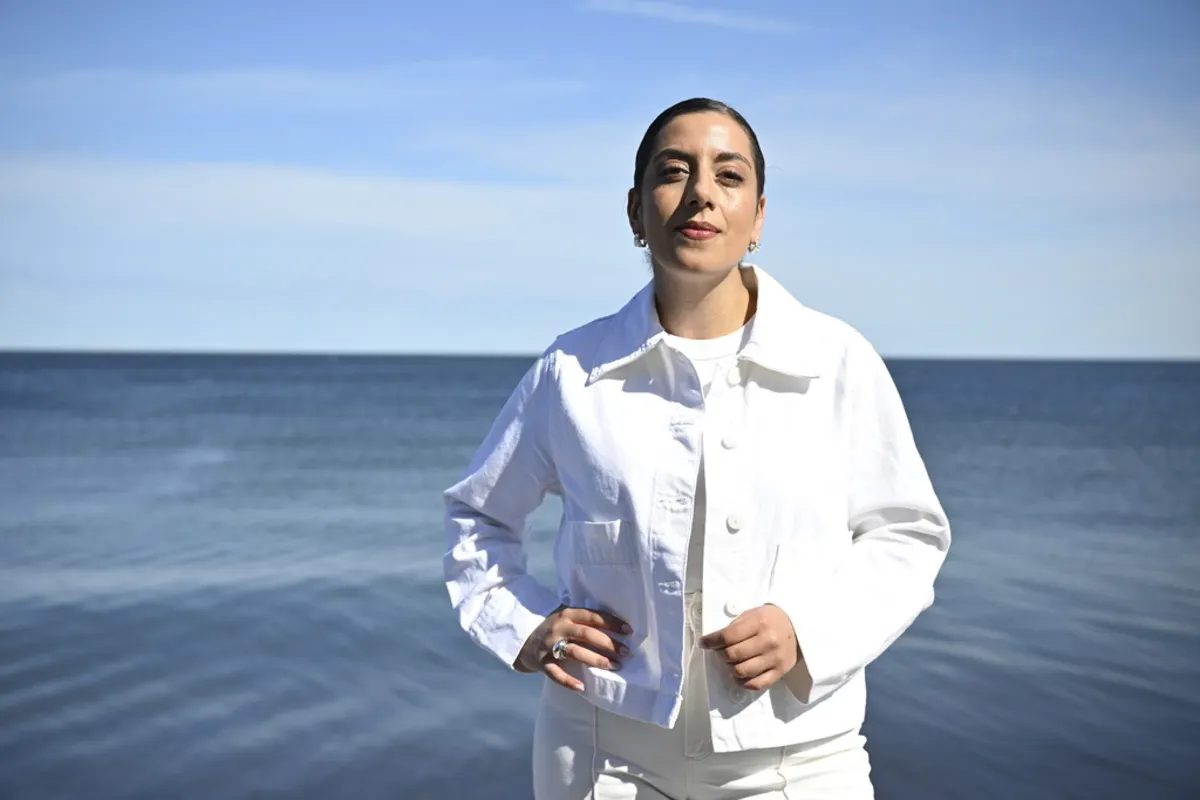
Sweden's governing Liberal party has unveiled a pro-business 2026 election platform featuring tax cuts and start-up visas, but faces elimination from parliament as polls show them falling below the electoral threshold.
Sweden's Liberal party has released its 2026 election platform, "För din frihet", centred on deep tax cuts for high earners and families, alongside a new start-up visa to attract international entrepreneurs. The party currently holds four ministerial posts in the governing Tidö coalition, including Education, Employment, and Climate. However, a recent poll by Statistics Sweden places the party at just 2.5 percent, threatening their survival ahead of the September 13th vote.
For investors and businesses, the Liberals' economic agenda represents a clear shift toward supply-side incentives. The party wants to halve taxes on high incomes, cut the cost of hiring, and eliminate 20,000 public sector bureaucratic jobs by 2030. Families would receive a 10,000 kronor annual tax cut per child and a new tax credit for children under 12, while investors would benefit from tax-free savings on Investment Savings Accounts up to 500,000 kronor.
On labour migration, the party aims to balance tighter border controls with mechanisms to attract top international talent. The platform proposes a Canadian-style points-based system for labour immigration and a dedicated start-up visa. These business-friendly measures sit alongside stricter civic requirements, including mandatory language and civics tests for citizenship and the deportation of non-citizens who commit crimes.
The Liberals are also proposing sweeping structural reforms to Sweden's education system, which they want to nationalise from municipal control. The platform includes phasing out for-profit schools, eliminating religious schools, banning screens in preschools, and creating special classes for students with behavioural issues. The party argues these education and integration policies are central to preventing gang crime.
The party's political positioning has shifted significantly to secure this platform's potential implementation. In March, leader Simona Mohamsson struck a 15-point deal with the far-right Sweden Democrats, breaking a long-standing taboo by agreeing to support the nationalists in government. This move divided the Liberal leadership but paved the way for the Moderate party to follow suit.
Beyond domestic policy, the Liberals back a technology-driven climate approach relying on the EU Emissions Trading System and nuclear power. They also support stepped-up sanctions on Russia and Belarus, a common EU border guard system, and full EU membership for Ukraine. Yet these policies may never be realised if the party fails to clear the 4 percent parliamentary threshold, a scenario that would fundamentally alter Sweden's governing coalition and remove a key pro-market voice from parliament.