Beijing bans Claude Code as US targets Chinese AI
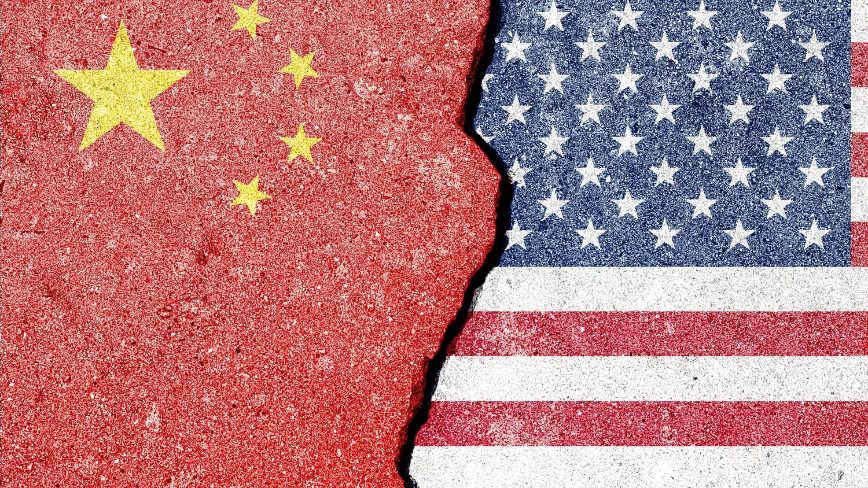
Beijing has banned Anthropic’s Claude Code over security fears while Washington investigates US firms using cheap Chinese models, deepening a technological split that threatens to force European companies into an awkward binary choice.
China's Ministry of Industry and Information Technology has ordered companies to stop using Anthropic’s Claude Code, warning the coding tool contains a "security back-door vulnerability that poses a serious threat." The ministry claims specific versions, 2.1.91 to 2.1.196, can send user data to a remote server without consent.
The move follows Anthropic accusing Alibaba of copying its models last month. Alibaba responded by banning employees from using Anthropic tools from July 10. Although Claude Code is not officially sold in China, it has been widely used by developers there. Anthropic did not respond to requests for comment.
Washington is now mirroring Beijing's restrictions. Two US House committees are investigating American companies that build on Chinese AI models, sending letters to firms including Cursor and Airbnb. The probes highlight a growing fear in both capitals that the global digital economy might become dependent on a rival's foundational technology.
For US companies, the appeal of Chinese models is largely financial, as they have narrowed the quality gap with US rivals while remaining significantly cheaper. Executives at Coinbase and startup Lindy have praised them for cutting costs, while Cursor, which SpaceX is acquiring for $60 billion, built its Composer 2 model on China’s Kimi. Airbnb noted it runs mostly on US models but uses a limited number of Chinese open models through approved providers.
US officials are framing the issue as a matter of ideology and national security. A State Department spokesperson said Chinese models “advance Beijing’s narratives, censor dissent, and reflect CCP ideology.” Congressman Andrew Garbarino described China’s progress on cybersecurity tasks as “highly alarming.” A Chinese embassy spokesperson pushed back, stating the country “opposes baseless allegations and malicious smears,” and characterised its AI sector as one of “self-reliance.”
For European businesses and investors, this escalation presents a complex strategic risk. Beijing is weighing curbs on foreign access to its best models, yet Washington lacks a clean regulatory lever to stop American companies from using them. Because Chinese model weights are free online, a blanket ban is difficult to enforce, meaning European firms face a fragmented landscape where they must carefully audit their AI supply chains.