Court fines Austrian hotel over discriminatory burkini ban
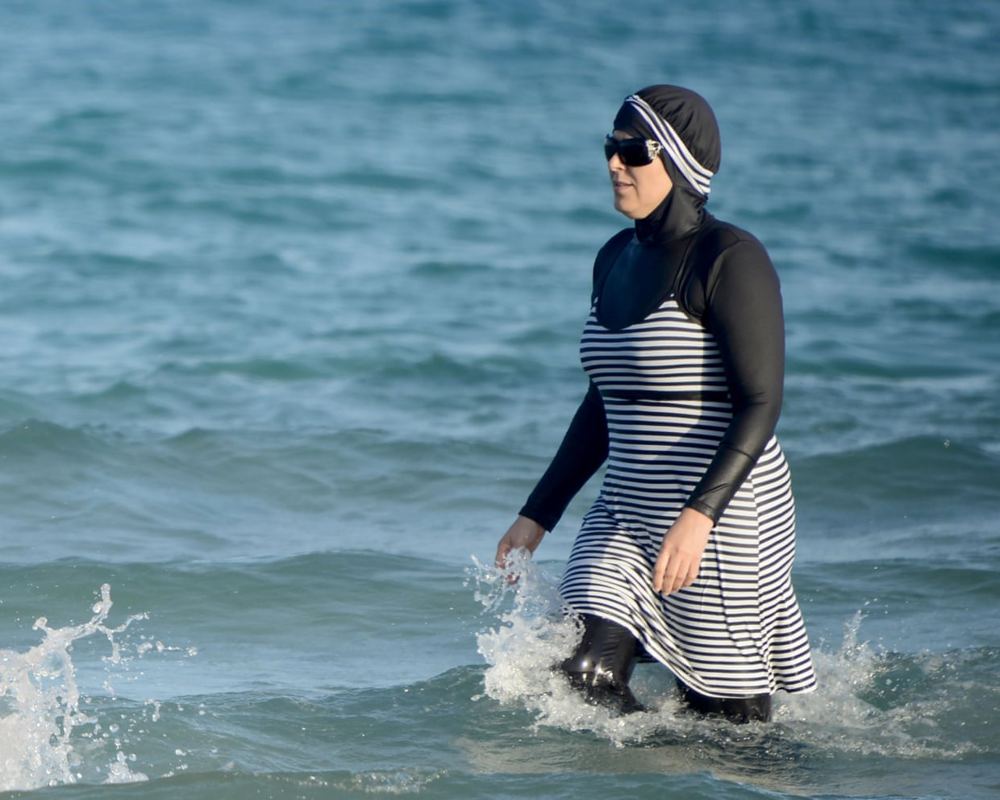
An Austrian court has upheld a fine against a ski resort hotel for banning the burkini, exposing the legal risks European hospitality businesses face when implementing informal dress codes.
A court in Salzburg has ordered a hotel in the ski resort of Saint Johann im Pongau to pay a €100 fine plus €20 in procedural costs after ruling its ban on burkinis was discriminatory. The decision, made in late June and published this week, upholds a February penalty issued after two Austrian Muslim women were prevented from wearing the full-body swimsuits.
The hotel manager had argued the garments were unhygienic and made other guests uncomfortable. The court dismissed this, stating the unhygienic claim "does not hold water, as burkinis are made from the same materials as other swimwear and routine water checks found no irregularities".
For European hoteliers and leisure operators, the ruling highlights the legal and reputational risks of imposing unofficial dress codes. The tourism sector relies on navigating diverse cultural expectations, and businesses cannot rely on subjective customer comfort or unverified hygiene claims to justify restricting guests. Implementing such bans exposes companies to discrimination complaints and financial penalties.
Despite the immediate financial penalty, the ruling offers limited clarity for the broader hospitality sector. The presiding judge told Agence France-Presse the decision would not set a nationwide precedent "as indirect discrimination is permissible under certain conditions". This legal nuance leaves Austrian hotel and pool operators without a definitive boundary on when they might legally justify restricting specific swimwear.
The ruling arrives in a politically sensitive environment. The burkini has become a focal point for far-right movements across Europe, which actively campaign to restrict Muslim dress in public spaces. In Austria, where the far right is gaining political ground, the court's intervention underscores the tension between rising populist sentiment and existing anti-discrimination frameworks.
Austrian law currently navigates a middle ground. It does not explicitly restrict Muslim dress for women and girls above 14, but it does forbid face coverings in public spaces. This effectively prevents the wearing of burqas and niqabs, but leaves the burkini, which covers the body but exposes the face, hands, and feet, outside the scope of the ban.
Other European countries have attempted different regulatory approaches. In 2016, attempts by local mayors in the south of France to ban the burkini on Mediterranean beaches were ultimately overturned by the courts. Meanwhile, nations such as the Netherlands and Denmark have focused their legislation specifically on banning face-covering garments rather than full-body swimwear.
For now, the Salzburg decision confirms that in Austria, the enforcement of dress boundaries falls to anti-discrimination authorities rather than individual business managers. Hotels and leisure facilities must adhere to established equality standards, regardless of shifting political winds.