Ukraine strikes Russian shadow fleet tankers in Sea of Azov
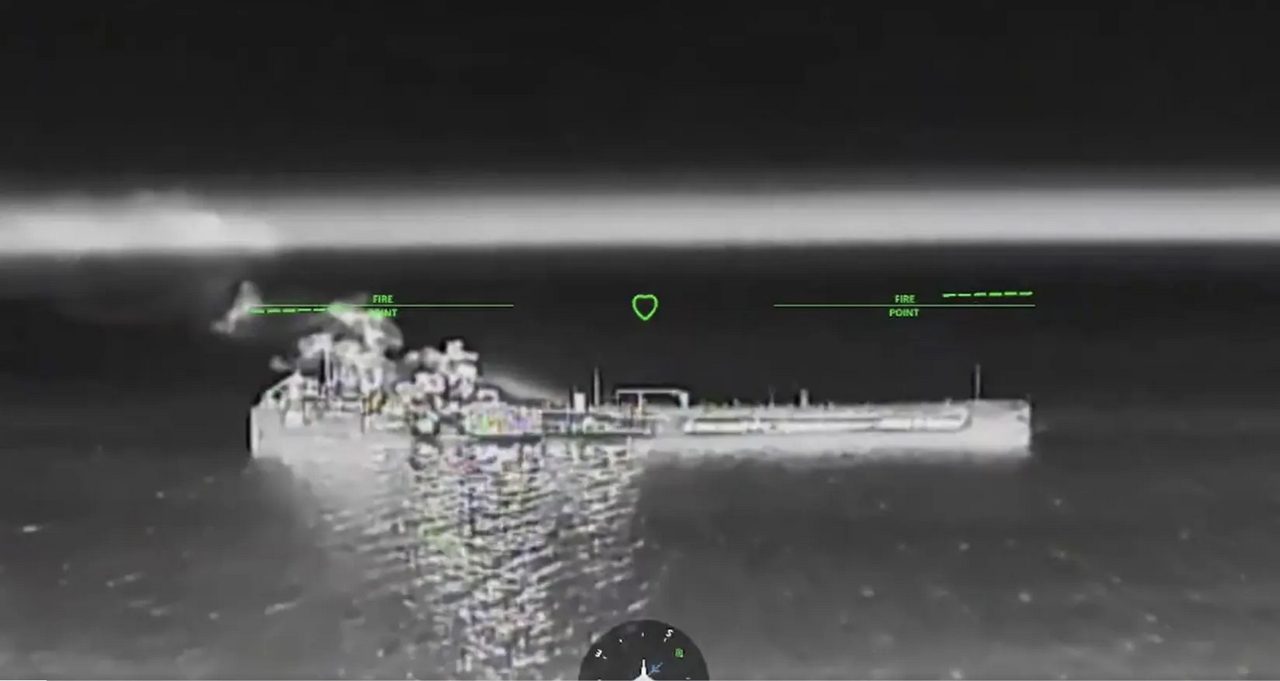
Ukrainian drone strikes have destroyed at least 19 shadow fleet tankers in the Sea of Azov, severing a critical fuel supply line to Crimea and highlighting the escalating risks to Russia's sanctioned maritime logistics.
Ukrainian drone forces have destroyed 21 ships in the Sea of Azov over the past three days, dealing a severe blow to Russia's maritime logistics. According to Robert Brovdi, the commander of Ukraine's drone forces known as Magyar, 19 of the targeted vessels were tankers from Russia's shadow fleet, alongside one cargo ship and a ferry in Kerch.
For European markets, the systematic destruction of these vessels underscores the growing vulnerability of Russia's alternative oil export network. The tankers were reportedly transporting fuel to Crimea, sailing in tight formations without naval protection. The Russian Telegram channel Military Correspondent, which has 600,000 followers, likened the situation to the Strait of Hormuz, stating: "ships will simply not be able to reach Crimea and sail back without being hit by drones."
The attacks have triggered rare domestic criticism of the Russian Black Sea Fleet, which has proven powerless to stop the drone assaults. The lack of defensive weapons on the commercial tankers turned the convoy into what Russian commentators described as a shooting range for Ukrainian FP-2 drone operators. This logistical chokehold could force Russia to rely more heavily on overland transport for its occupied territories, increasing costs and vulnerability.
Russia has retaliated by targeting Ukraine's domestic fuel infrastructure, destroying 52 petrol stations in frontline regions since June. French analyst Clément Molin estimates the true figure could reach 70. This campaign has drawn in Azerbaijan after strikes hit stations belonging to its state-owned network, SOCAR, prompting Baku to summon the Russian ambassador over what it called deliberate targeting.
On the ground, Russian claims of territorial advances are facing scrutiny from their own military bloggers. The channel Archangel Spetsnaza, which has one million readers, contradicted President Vladimir Putin's claim that Kostyantynivka had been captured, noting that Ukrainian soldiers remain in the town's basements and dense urban development. In the Sumy region, the pro-war channel Rybar published maps showing an advance of 14 to 15 kilometres toward the village of Kyyanytsia, which lies just under 13 kilometres from Sumy. However, independent analysts from the Finnish Black Bird Group and the Ukrainian account Petrenko placed the actual front line two to eight kilometres further north.
The Rybar channel has recently distinguished itself by fact-checking the Kremlin, noting that Russia's 2022 retreat from northern Ukraine was a military defeat rather than a humanitarian gesture. Such fractures in the Russian information space suggest that maintaining public confidence in the military campaign is becoming increasingly difficult as logistical failures mount.