Drone attacks on Russian refineries trigger domestic fuel pivot to LPG
Ukrainian drone strikes on major Russian refineries have crippled domestic gasoline supplies, forcing a massive pivot to LPG and pushing local pump prices above European levels in a significant blow to Russia's energy infrastructure.
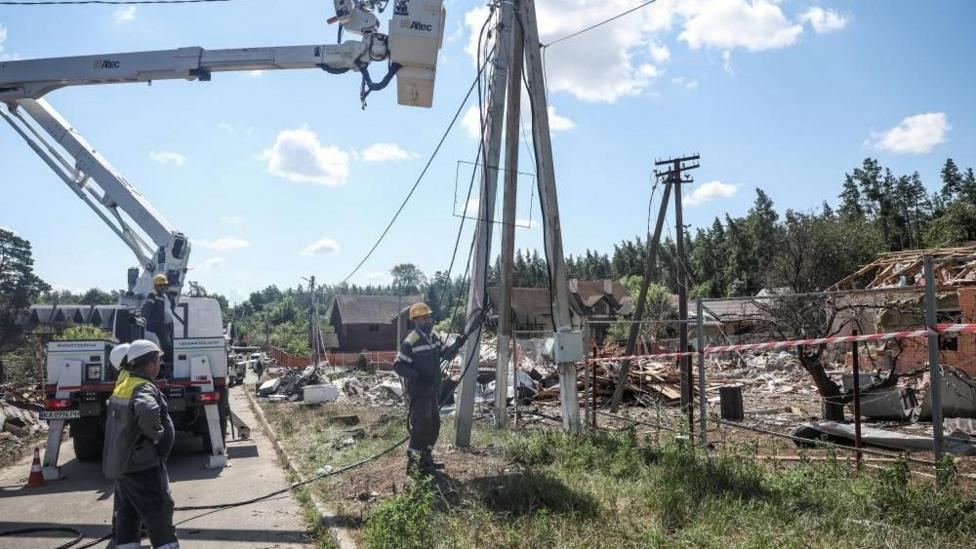
Ukrainian drone attacks have forced the suspension of crude processing at NORSI, Russia's fourth-largest oil refinery, and targeted its largest facility in Omsk, deep in Siberia. The July 2 strike on NORSI, owned by Lukoil, damaged a primary refining unit capable of processing 190,000 barrels per day, which accounts for 53% of the plant's overall capacity. The Omsk refinery, which has a design capacity of roughly 22 million metric tons per year, was also hit this week in what officials confirmed was one of the longest-range attacks of the war.
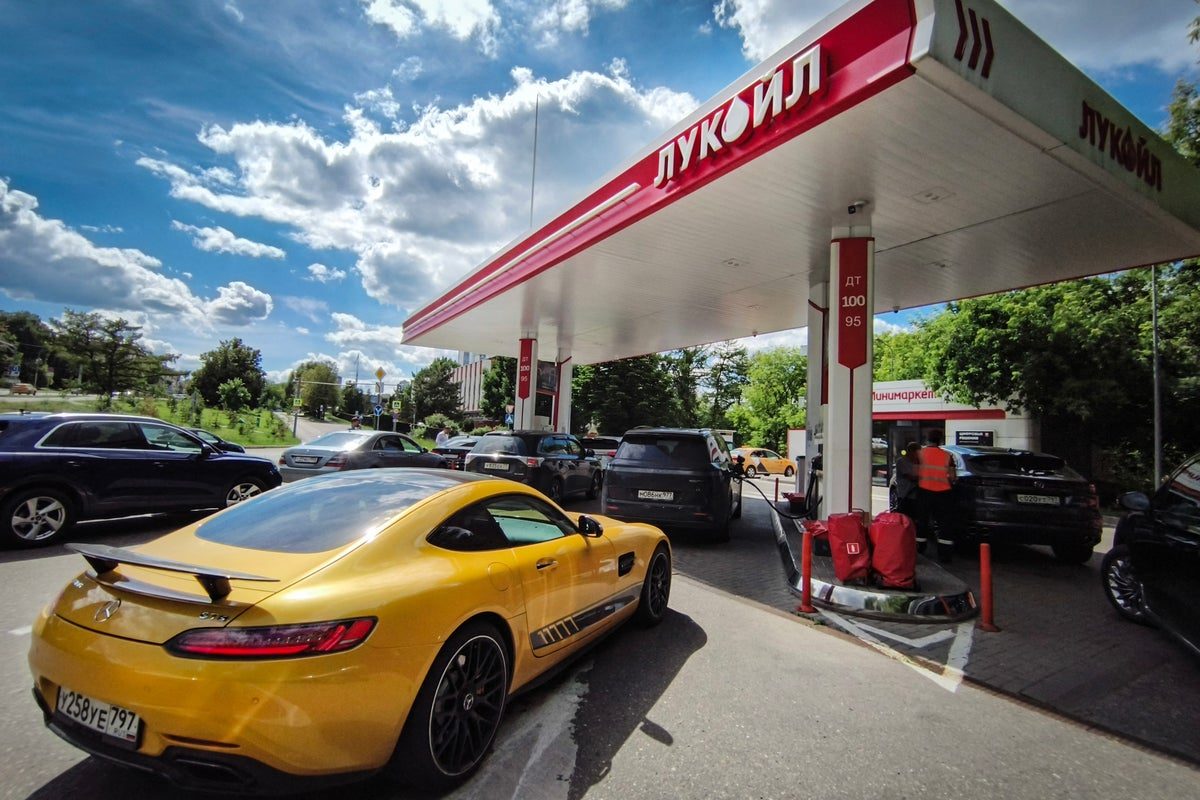
The resulting fuel shortages have created long queues at filling stations and pushed domestic gasoline prices to levels that occasionally exceed those in the United States and Europe. This economic disruption is prompting Russian drivers to overhaul their vehicles to run on liquefied petroleum gas (LPG) instead of petrol. Conversion companies are now reporting unprecedented demand that far outstrips their operational capacity.
Russia was already the global leader in using propane and butane for cars, but the refinery crisis has rapidly accelerated the trend. According to the World Liquid Gas Association, Russia used 3.5 million metric tons of LPG as car fuel in 2024. Official Russian data shows motor fuel accounted for 54% of national LPG consumption last year, comfortably exceeding the just over a third used as feedstock by the petrochemical industry.
Fitting companies are struggling to keep up with the sudden surge in enquiries. Egor Popov, whose Moscow-based company Garant-Gas installs LPG equipment, stated that "demand had multiplied" and noted a waiting list stretching to September. Sergei Medvedev of refitting company Medvedev GBO said his firm received 276 calls in a single day but could only process 30 to 40, pointing out that LPG offers "no queues, with prices 50% or two thirds lower than gasoline."
The unfolding crisis highlights the expanding reach of Ukraine's military campaign and the deep vulnerabilities in Russian energy infrastructure. While LPG offers a temporary domestic reprieve because it is a byproduct of natural gas processing and crude refining, the sustained loss of primary refining units threatens to further strain Russia's internal market. For European observers, the strikes demonstrate that the conflict continues to directly degrade Russia's status as an energy powerhouse, permanently reshaping its domestic fuel consumption patterns.