Iran tanker attacks end US ceasefire, driving European energy prices higher
The collapse of the US-Iran ceasefire after attacks on tankers has sent European oil and gas prices sharply higher, reviving inflation fears and forcing a repricing of central bank rate expectations.
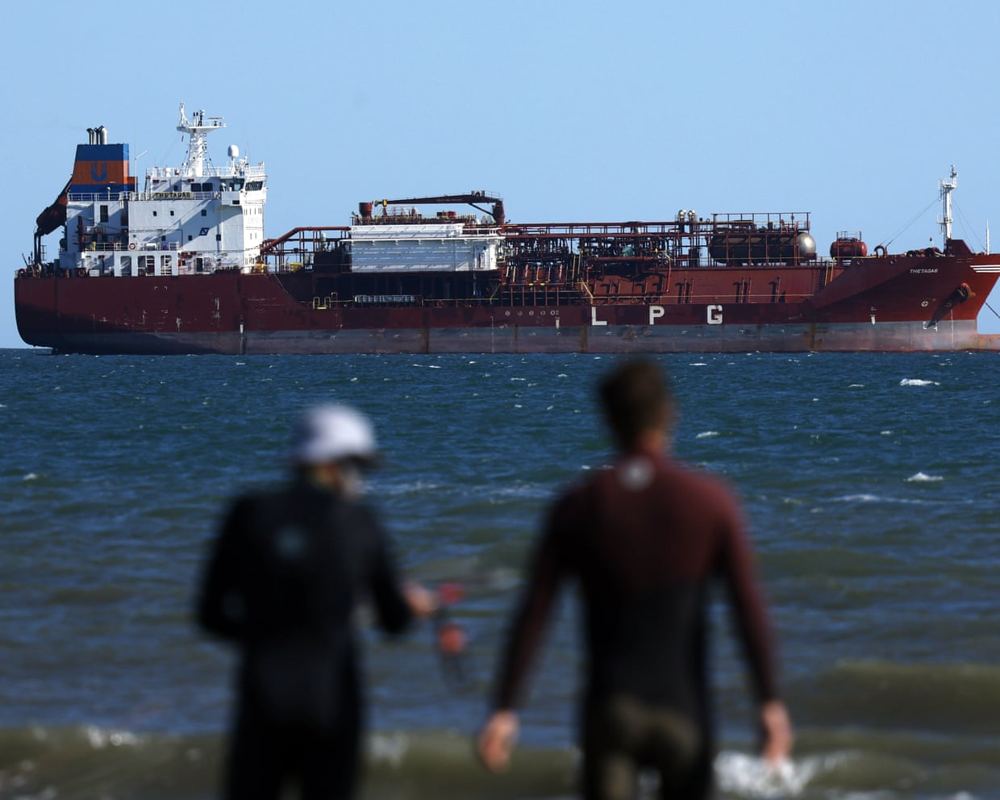
Donald Trump has declared the US-Iran ceasefire over after Tehran launched attacks on at least three fossil fuel tankers near the Strait of Hormuz. The assault immediately disrupted global energy trade, driving the sharpest rise in oil prices in almost two months and sending shockwaves through European financial markets.
Brent crude surged nearly 6% to surpass $80 a barrel, reversing months of declines that followed the initial ceasefire agreement last month. European gas markets mirrored the spike, with the benchmark Dutch contract climbing more than 5% to €49 per megawatt hour. At least four oil and gas vessels have already turned back from the vital trade route.
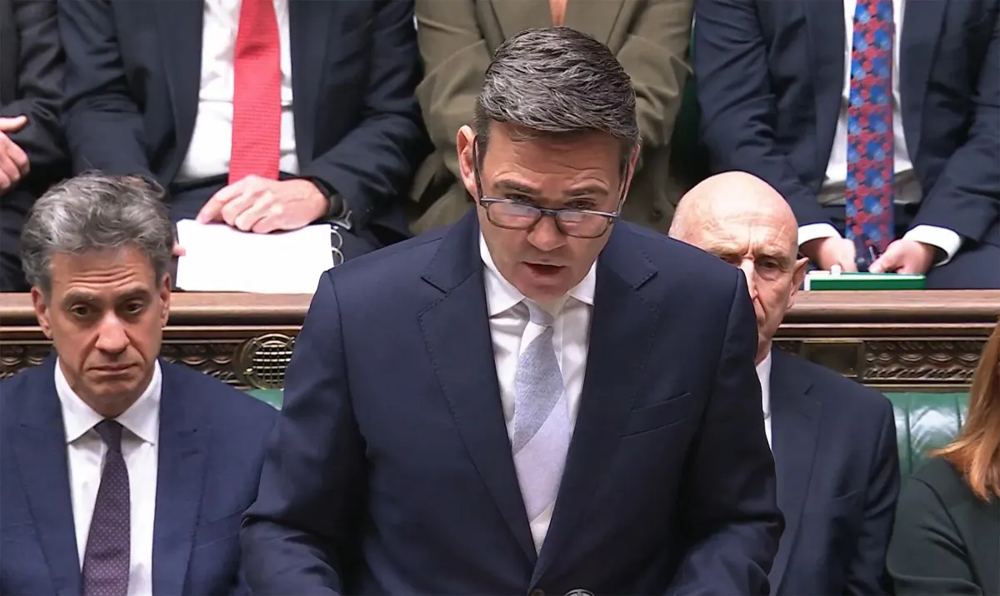
The sudden inflationary pressure landed heavily on UK markets. Two-year gilt yields jumped 15 basis points to 4.35% in their worst day since late March, as investors fully priced in a Bank of England rate rise for November and assigned a 50% probability to another in December. Earlier this week, the market had only given a 75% chance to a single hike by year-end. The FTSE 100 fell 1.7% to 10,489, its steepest drop since May, though oil majors BP and Shell bucked the trend to gain 3.5% and 2.2% respectively.
For European consumers, the resurgence in energy costs threatens to undo recent relief. Households have already faced the steepest summer energy bill increases in four years, and sustained market highs could drive up winter gas and electricity costs. “This is news UK drivers didn’t want to hear ahead of the summer getaway later in the month,” said Luke Bosdet, a spokesperson for the AA motoring group.
Despite the dramatic price moves, analysts note the global energy system has built significant resilience since the crisis began. “Nothing can be ruled out,” said Tamas Varga of PVM Oil Associates. “But the market’s admirable adaptability in weathering the original crisis, and the $56 decline in the price of Brent during May and June, must be kept in mind when revising oil price forecasts.”
While the initial effective blockade of the Strait of Hormuz threatened to remove 20 million barrels a day from global supplies, alternative routes and clandestine crossings reduced that net loss to 12.2 million. Increased output from unaffected producers, emergency stock releases, and US sanctions waivers added another 9.1 million barrels, limiting the effective global shortage to just 3.1 million barrels a day.
Tanker traffic through the strait has currently ground to a halt. Jorge León, head of geopolitical analysis at Rystad Energy, said: “Tanker traffic through the strait of Hormuz has essentially stopped, which tells you more about risk perception right now than any statement from Washington or Tehran.” The immediate future of the trade route depends on the coming days, with León identifying the burial of Ayatollah Ali Khamenei later this week as the “real test” of whether a diplomatic solution remains possible.