EU duck probe threatens newly launched China trade talks
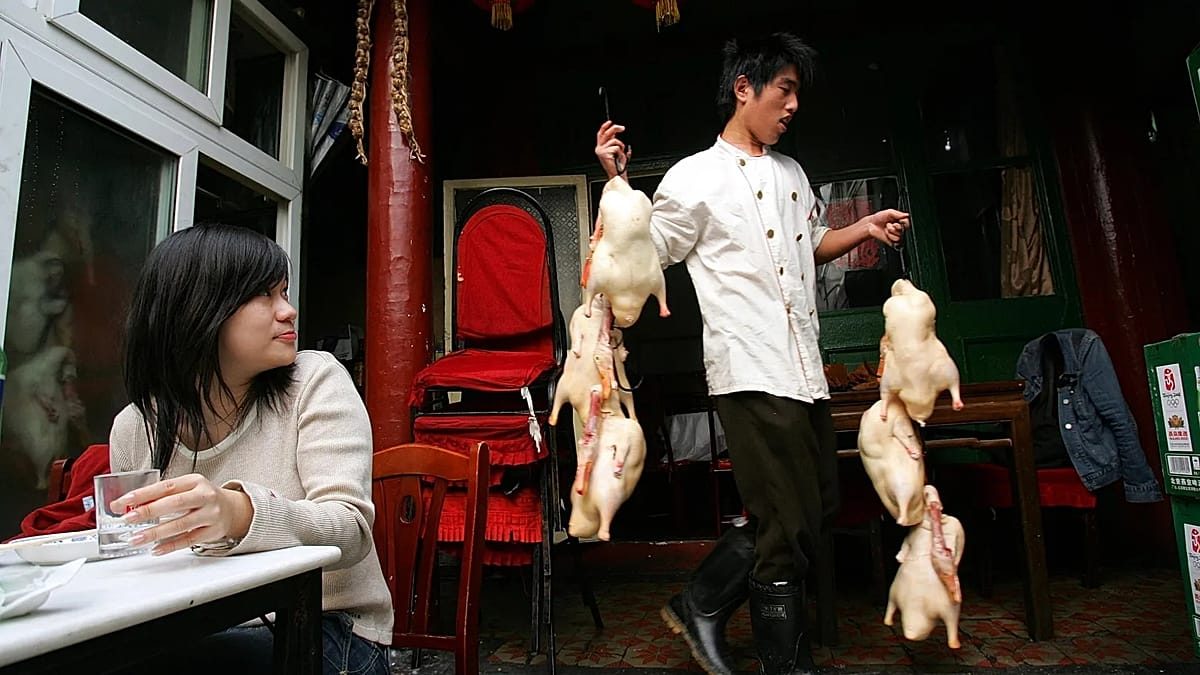
The European Commission has opened an investigation into Chinese Peking duck imports, risking a flare-up in trade tensions just as Brussels and Beijing begin negotiating ways to reduce the bloc's billion-euro daily deficit.
The European Commission launched an investigation on Thursday into Chinese Peking duck imports after five EU producers complained that unfairly subsidised poultry was harming their industry.
The producers allege China is artificially lowering prices through subsidies tied to its five-year plan for agricultural modernisation. The Commission found that the volume and pricing of these imports had a “negative impact on the quantities sold, the level of prices charged and market share held by the Union industry,” resulting in “substantial adverse effects on the overall performance” of the sector.
If the investigation confirms these claims, it could lead to anti-dumping duties on Chinese producers. More importantly for the broader bilateral relationship, it represents the first time the EU has targeted China’s agricultural sector with such a trade defence instrument.
A delicate diplomatic window
The probe arrives at a highly sensitive moment. Last Monday, EU Trade Commissioner Maroš Šefčovič met Chinese counterpart Wang Wentao in Brussels to launch negotiations aimed at easing tensions and restoring a level playing field. Brussels has described the current trade imbalances as “unsustainable.”
In June, EU leaders gave the Commission a specific mandate to step up efforts to reduce the €1 billion-a-day trade deficit with China. The bloc's executive is currently reviewing its trade defence tools while pursuing dialogue, with the EU hoping to secure a breakthrough by October, when Šefčovič is due to travel to China.
However, targeting agricultural exports threatens to undermine this newly opened diplomatic channel. Beijing has repeatedly warned of retaliation against EU legislative proposals that restrict Chinese access to public procurement and impose strict conditions on foreign investment.
Escalation risk
The agricultural sector has become a primary target for Chinese countermeasures. After the EU imposed tariffs on Chinese electric vehicles in 2024, Beijing launched investigations and sanctions specifically targeting EU brandy, pork and dairy products.
Expanding the trade defence front to include duck imports signals that Brussels is willing to use its full arsenal of anti-subsidy and anti-dumping instruments, even at the risk of provoking further retaliation against European farmers just as high-stakes negotiations get underway.