Calabria defies US pressure to retain Cuban medics
Italy’s poorest region is rejecting Washington’s demands to expel Cuban medical staff, exposing the severe healthcare worker shortages shaping southern Europe.
Calabria is keeping more than 200 Cuban doctors, resisting pressure from US officials to terminate their contracts. US diplomats have urged Governor Roberto Occhiuto to find alternative international staff, arguing the Cuban government profits heavily from the arrangement.
The standoff highlights a structural imbalance in Europe's healthcare labour market. Calabria ranks last among Italy’s 20 regions for public healthcare access. After 17 years under special administration due to budget deficits, corruption and Mafia infiltration, the region's health system collapsed. Italian graduates migrated north for higher pay, leaving hospitals unable to operate.
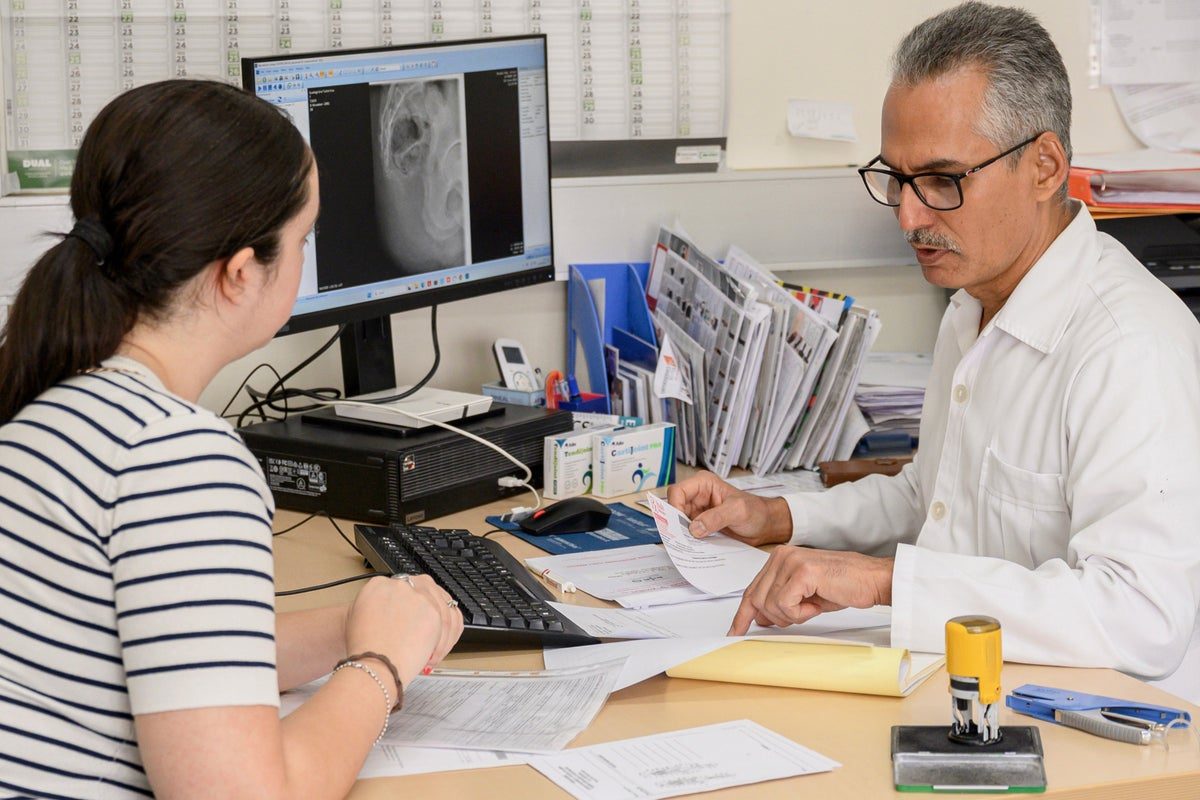
Before the Cuban arrivals in January 2023, the situation was critical. “It was a disaster. I was keeping the emergency room open all by myself,” said Francesco Moschella, chief physician at Polistena hospital. At that facility, which sees 30,000 patients annually, six Cuban doctors now comprise half the emergency staff. “In this hospital there were lines that lasted up to eight or 12 hours. Now, thanks to our work, in less than an hour a doctor visits you,” said Zoila Yakelin Arevalo Cruz, a Cuban emergency medicine specialist.
US Secretary of State Marco Rubio has labelled the missions a “form of human trafficking,” claiming Havana confiscates passports and keeps salaries. While some nations like Jamaica and Honduras have expelled Cuban staff, Occhiuto, an anti-communist politician, chose pragmatism. “I had some pressures also during the Biden administration. But pressure grew under Trump,” Occhiuto said. “But at the same time, I have also reiterated to the U.S. Ambassador Hammer that I needed to keep hospitals open and that I intend to keep the Cuban doctors who are currently in Italy in their posts.”
Calabria’s deal attempts to sidestep ethical debates by paying the doctors directly into Italian bank accounts rather than funnelling money through Havana's state agency. However, the doctors say they voluntarily send up to half their salaries back to Cuba. “We do not consider ourselves modern-day slaves at all, as somebody called it,” said Cuban cardiologist Daisy Luperon Loforte. “We love our country, we give an economic contribution and we are happy to do so.”
Occhiuto noted that 63 Cuban doctors have recently applied to work in the regional healthcare system independently. The governor wants to triple the Cuban workforce to 1,000 but is holding back to avoid further conflict with Washington. For residents like Maria Morano, the geopolitics are irrelevant: “We are lucky they came, otherwise our hospital would have been closed.”