VW eyes 100,000 job cuts and four German plant closures
Volkswagen is preparing to slash 100,000 jobs worldwide and close four German factories, a historic restructuring that signals the collapse of Europe's traditional automotive business model under pressure from Chinese competition and US tariffs.
Volkswagen executives will present plans to the supervisory board today to cut 100,000 jobs globally and shut three VW plants alongside an Audi factory in Germany. The proposed reductions would affect roughly 15 percent of the carmaker's 630,000-strong global workforce.
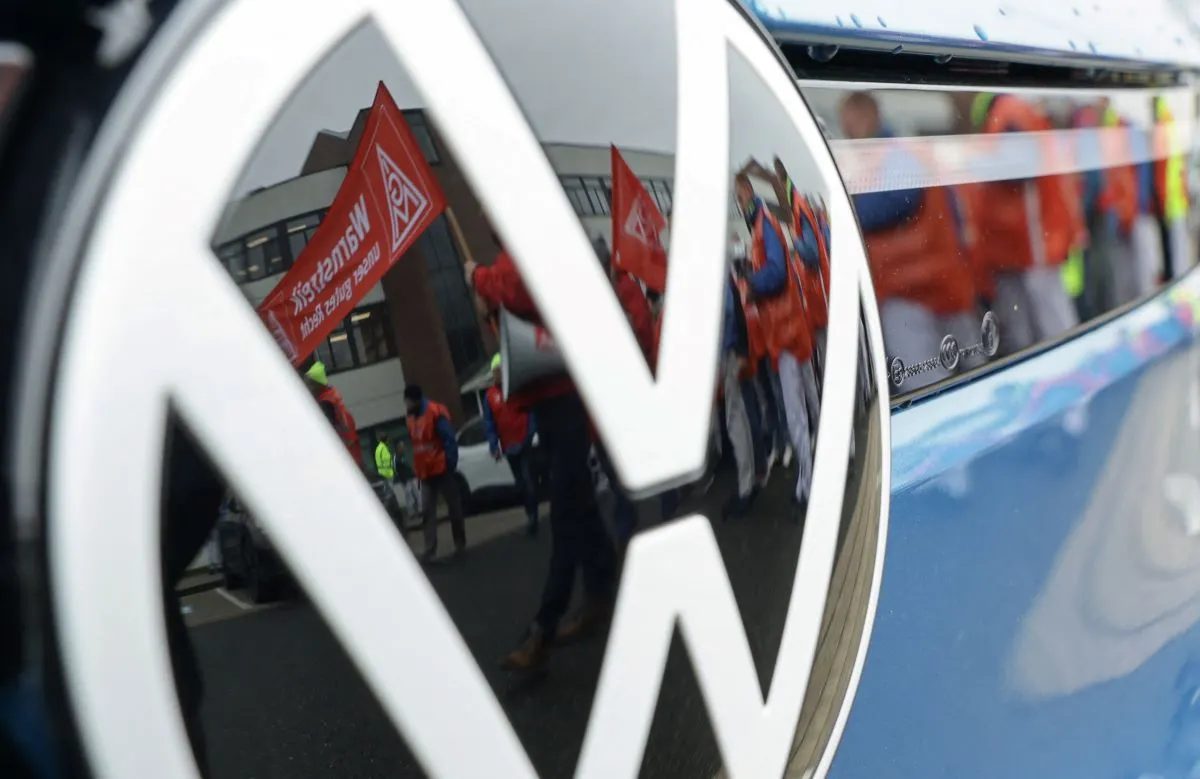
IG Metall, Germany's powerful metalworkers' union, is mobilising worker protests outside VW facilities across the country. Union head Christiane Benner and works council chief Daniela Cavallo warned in a joint statement that they would stop the plans "with all our might".
Any immediate closure announcement is unlikely, as the board meeting marks the start of a lengthy negotiation process. Workers currently hold a majority on the 20-seat supervisory board following the resignation of shareholder representative Susanne Wiegand. The state of Lower Saxony, home to VW's Wolfsburg headquarters, also holds a blocking stake.
The proposals directly challenge a late-2024 union agreement that protected German plants from closure through the end of the decade in exchange for 50,000 domestic job cuts by 2030. CEO Oliver Blume is now pushing for a far deeper overhaul.
A broken business model
The sheer scale of the proposed cuts reflects a structural crisis in the German auto industry. VW is being squeezed by slimmer electric vehicle margins, US tariffs expected to cost five billion euros annually, and a dramatic loss of market share in China.
Deliveries in China, the world's largest auto market, fell last year to their lowest level since 2011 as local manufacturers outcompeted European legacy brands. "The cars that are being sold in China, some of them are the world's best," said Tu Le, founder of Sino Auto Insights. "The fall for the German automakers has been really abrupt."
Blume has warned that VW cannot survive with underutilised European plants as Chinese rivals build highly efficient factories on the continent. In a March letter to shareholders, he stated that "our business model of past decades no longer works", blaming high European costs, trade shifts and heavy regulation.
If implemented, the 100,000-job reduction would surpass the roughly 50,000 cuts General Motors made during its 2009 bankruptcy. It underscores how peers like BMW and Mercedes-Benz, along with their suppliers, face a similar reckoning as the continent's industrial anchor loses its global edge.