Le Pen launches 2027 French bid despite EU funds conviction
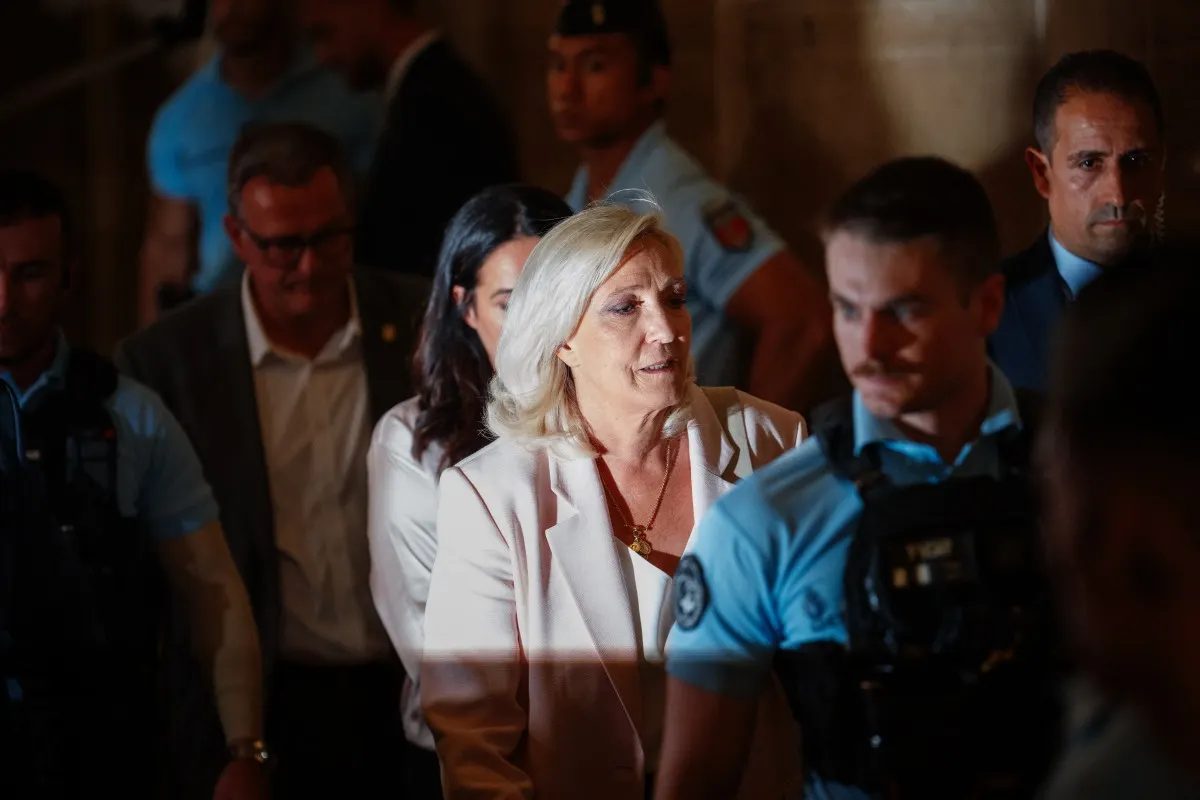
Marine Le Pen has entered the 2027 presidential race despite a confirmed conviction for misappropriating European public funds, injecting legal uncertainty into an election that could upend the EU's political order.
Marine Le Pen has officially launched her fourth presidential campaign, just hours after an appeals court upheld her conviction for misappropriating European public funds. The 57-year-old Rassemblement National (RN) leader was sentenced to a one-year term under electronic monitoring, on top of a 15-month ban from office that she has already served. She is now challenging the verdict before France's highest court, a legal maneuver that suspends her sentence and preserves her ability to campaign.
The strategic gamble hinges on judicial timing. The Court of Cassation generally takes up to a year to issue rulings, but it stated on Wednesday it could deliver a decision by early April. The first round of the election is set for April 18th. If the highest court rejects her appeal, Le Pen could be forced to wear an electronic tag while making her final push for the Élysée. Asked about that prospect, she told reporters: "We'll see."
For European markets and investors, a Le Pen victory represents a profound source of uncertainty. Her anti-immigration party has spent a decade building a deeply rooted, working-class base distrustful of centrist Emmanuel Macron's government. She is running on a joint ticket with 30-year-old RN party leader Jordan Bardella, who would be named prime minister if she wins, presenting the far right's most credible path to power yet.
However, her criminal record complicates the party's years-long effort to normalize itself among traditional right-wing voters. The RN has long advocated strict bans on convicted politicians holding public office, particularly those guilty of misusing public funds. Edouard Philippe, the centre-right former premier and a leading 2027 challenger, argued the situation "confronts her with her conscience" and said he hoped "she will explain herself to the French people."
Pollsters note her defiance will likely consolidate her core support. "It is up to the voters to judge," Le Pen said during her first campaign stop in western France. Jerome Fourquet of the Ifop polling company said the legal battle "will help rally her first-round electorate behind her through a strongly anti-establishment message."
Expanding beyond that loyal base is her primary hurdle. Marta Lorimer, a politics lecturer at Cardiff University, noted that while core voters will back her "whether she's convicted or not, whether she's found guilty or not," the broader electorate cares more about "the honesty of a politician, particularly when it comes to embezzling funds." Bernard Sananes of the Elabe polling group added that some voters will see the conviction as a negative signal for the country's image.
Possible left-wing candidate Raphael Glucksmann criticized what he characterized as "the new rules for politics set by Donald Trump," drawing a parallel to the US president's election following his own felony convictions. Despite the legal shadow, Ifop's Frederic Dabi pointed out that Le Pen retains a potent structural advantage: because she has never held office at a national level, she escapes blame for the public's everyday frustrations.