UK disability benefit labelled unfit as costs soar

An interim review has declared the UK's £41bn disability benefit system "not fit for purpose", setting up a major fiscal and political test for the country's next prime minister.
The UK government has acknowledged that its flagship disability benefit is broken. An interim review published on Thursday found that Personal Independence Payments (Pip) are "not fit for purpose", citing a dehumanising assessment process that acts as a barrier to work rather than a support mechanism.
The findings present a pressing fiscal challenge for Europe's second-largest economy. With around four million claimants in England and Wales as of April, spending on Pip is projected to surpass £41 billion by 2030. Sir Stephen Timms, the disability minister leading the review, said the current level of spending is not a great concern. However, he warned that continued indefinite growth would be unsustainable.
Introduced in 2013, the system has failed to adapt to modern understandings of health and disability. A steep rise in claims, recently fuelled by mental health conditions, has exposed the rigidity of a process that scores claimants on a zero to 12 scale for everyday tasks like washing and preparing food.
Co-chair Sharon Brennan noted the system currently operates as a blunt instrument, offering a simple "yes or no" cash payout rather than tailored support. Campaigners have echoed this frustration. Autism awareness campaigner Cheryl Fyfield highlighted the burden of forcing individuals with lifelong conditions to repeatedly prove their eligibility. "I'm autistic, I'm going to be autistic my whole life, yet every three years I have to go through the gruelling process to be reassessed," she said.
Reforming this system is politically fraught. Prime Minister Sir Keir Starmer commissioned the review after dozens of Labour MPs rebelled against proposed cuts designed to save £5 billion annually by 2030. Fearing a parliamentary defeat, the government reversed course and paused any rule changes until the review concluded.
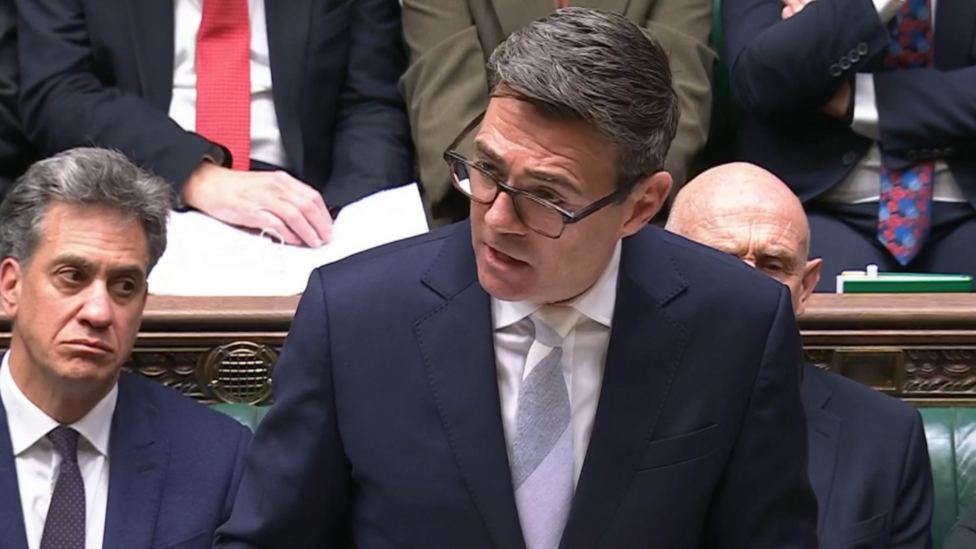
Those final recommendations, expected in the autumn, will now fall to a new leader. Andy Burnham, the Makerfield MP widely expected to become prime minister by then, has already ruled out harsh austerity. He told LBC he would not make "crude cuts to benefit levels that just put people who are struggling in even worse poverty."
Despite this assurance, the Treasury cannot ignore the ballooning costs. Conservative shadow work and pensions secretary Helen Whately accused the government of being "in denial about the seriousness of the situation of our welfare system and the fact that we have to make savings." Sir Stephen emphasised that his final report would not contain crude proposals, but confirmed that fiscal sustainability will heavily influence the ultimate design of the replacement system.