Trump trade threats and EU sanctions splits test bloc

European leaders returned from a turbulent NATO summit facing US trade pressure over defense spending while internal divisions threaten to delay a critical new package of Russian sanctions.
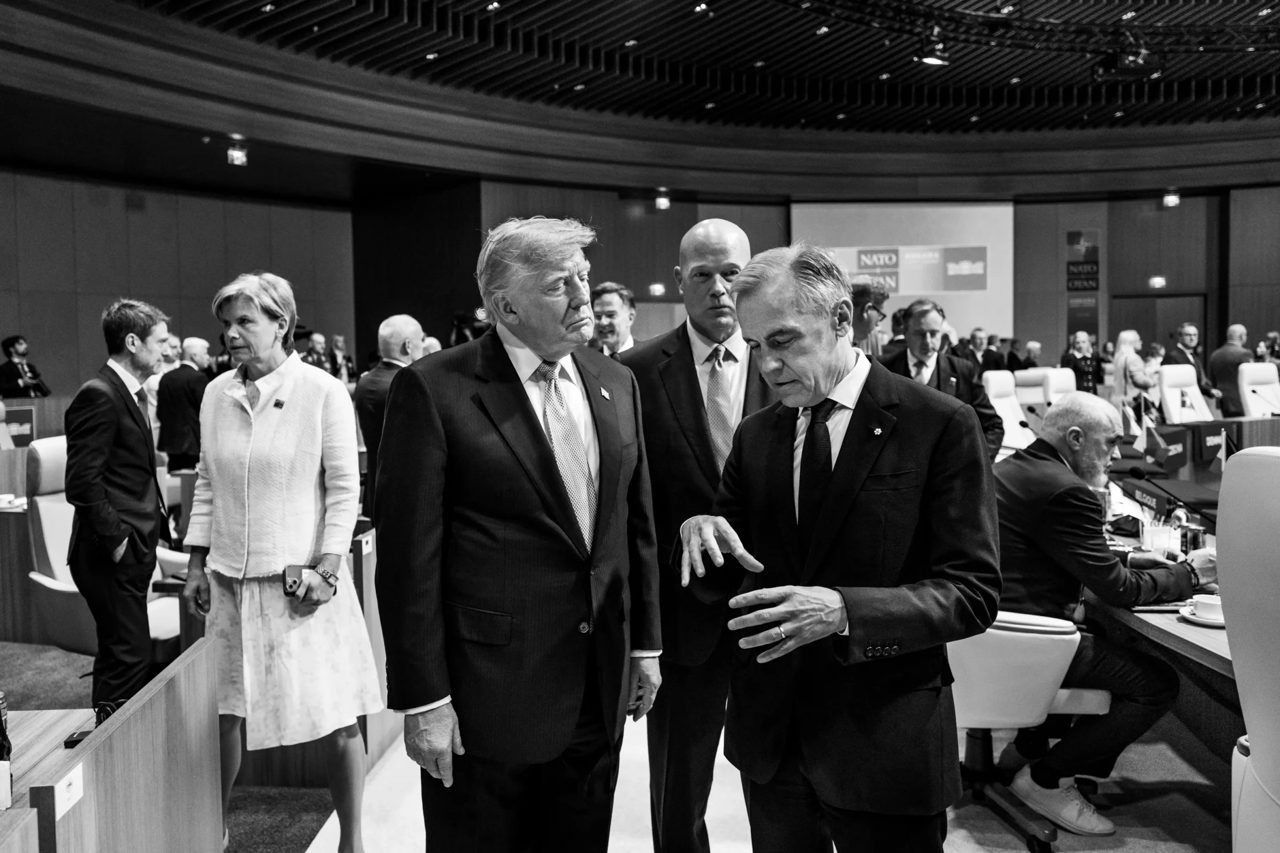
European capitals returned from a turbulent NATO summit in Ankara to face fresh transatlantic trade pressures. They are also confronting deepening internal divisions over Russian energy sanctions that threaten to fracture the bloc's unified front.
US President Donald Trump used the gathering to threaten cutting trade with Spain unless Madrid raises defence spending to 5% of GDP. The warning strikes directly at European economic stability, signalling that alliance security guarantees may increasingly be tied to rigid fiscal targets that burden southern European economies.
Trump also reignited his ambition for the US to "control" Greenland, claiming Denmark does not spend enough on the territory. In reality, Denmark provides Greenland with an annual block grant worth almost €600 million. Danish Prime Minister Mette Frederiksen was forced to defend her country's territorial integrity against a military ally, stating: "Greenland is not for sale." Former US National Security Adviser John Bolton dismissed the remarks as deliberate provocation, noting Trump talks about taking Greenland "because it drives people crazy."
Beneath the diplomatic friction, former NATO official Jamie Shea pointed out that Trump signed a communiqué reaffirming an "ironclad" US commitment to Article 5 collective defence. The summit also produced a concrete win for European industry, with Ukraine granted an export licence to produce Patriot interceptors after years of lobbying.
Sanctions deadlock
Away from the summit, EU ambassadors are struggling to finalize the bloc's 21st package of sanctions against Russia before a 15 July deadline. Diplomats may be forced into an extraordinary Sunday session to resolve entrenched disagreements that expose the bloc's internal economic vulnerabilities.
The energy market stakes are particularly high. Greece, Malta and Cyprus are blocking a proposal to delay the automatic review of the Russian oil price cap, a move that could easily send the limit surging from $44 to more than $60 per barrel. A higher cap risks undermining the sanctions' effectiveness and disrupting energy price stability just as EU gas storage sits at a relatively low 28% ahead of the winter injection season.
Consumer markets are also causing friction. Portugal and Germany are pushing back against a proposed ban on Russian cod and pollack, warning that their local seafood industries would be disproportionately impacted. Following resistance from France and Italy, the Irish presidency has already been forced to narrow a proposed entry ban on Russian soldiers to short-term visas and those who directly participated in the invasion.
The fractured negotiations, paired with a separate pitched battle over Spain's proposal for €850 billion in common EU borrowing, highlight a continent under strain. European leaders must now balance fiscal unity against aggressive external pressure from both Washington and Moscow.