Minor crash damage drives high EV insurance costs
A 6mph crash that results in a £4,000 repair bill highlights why electric vehicles remain up to 25% more expensive to insure than combustion cars, posing a hurdle for Europe's mass adoption goals.
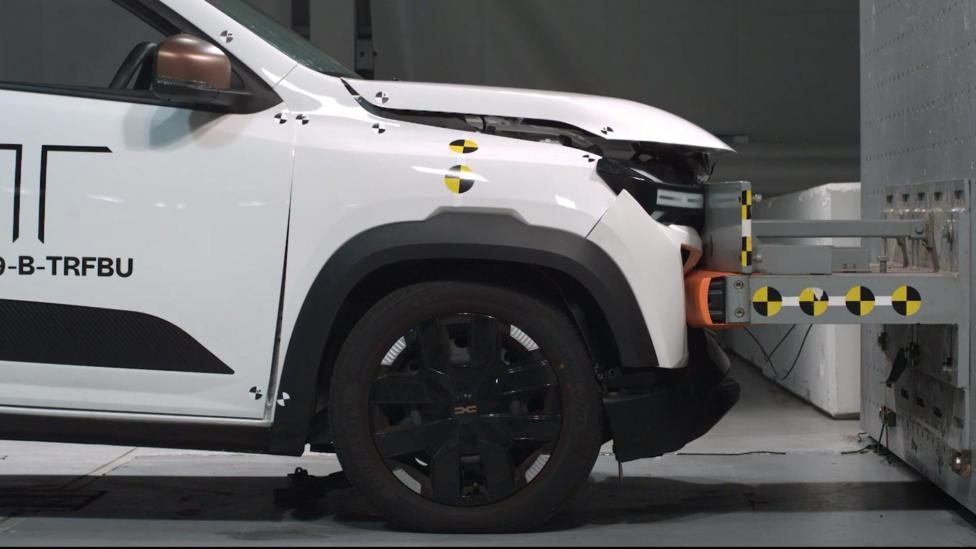
At a testing facility in Newbury, a Dacia Spring electric vehicle striking a barrier at just 6mph sustained enough hidden damage to be written off. The impact shattered the front charging port, which is integrated with the inverter and cabling as a single unit, requiring a £4,000 fix that makes repair uneconomical.
This low-speed write-off illustrates a broader economic problem slowing the electric transition. According to Thatcham Research, EVs cost 30% more to repair and take 14% longer to fix than petrol or diesel equivalents, feeding into insurance premiums that are 10% to 25% higher.
The cost burden arrives as sales accelerate. In the UK, a key European market, EVs accounted for almost one in three new cars sold in June. Ian Plummer, chief customer officer of Autotrader, attributes this to "intensifying competition and rising consumer interest," but warns the "wider context remains fragile, with ongoing uncertainty around policy, incentives, and wider external pressures."
The insurance hurdle stems largely from vehicle engineering. To offset the weight of heavy batteries, manufacturers integrate components and glue them together rather than using individual fixings. "You have to replace whole systems rather than individual components," explains Dan Harrowell, a principal advanced technologies engineer at Thatcham.
The battery itself represents roughly 40% of a car's total value. Even minor scrapes to the external casing can necessitate a full battery replacement. Stuart Masson, editor of The Car Expert, notes that while EVs have fewer parts, the ones they have are expensive, and a shortage of technicians and parts forces cars to sit in workshops longer, driving up loan car costs.
The influx of Chinese EV manufacturers has compounded the issue. Because Chinese labour rates are low, their designs often require extensive repair work that becomes prohibitively expensive in European labour markets. "We've had to work with them to really help them to understand the difference in our market," Harrowell says.
The industry is adapting. Thatcham has issued a blueprint urging manufacturers to relocate vulnerable parts like charging ports and design battery casings that are replaceable. Renault says it is working on making battery pack repairs more feasible while respecting safety and insurer requirements.
These design shifts are showing early results. The most recent EV models now have average repair costs just 18% higher than conventional cars, a drop that should eventually ease insurance premiums and sustain the continent's sales momentum. "It's absolutely crucial electric vehicles become cheaper to insure," insists Steve Fowler, co-founder of Carblah. "By making them easier to repair and cheaper to insure, more people will buy them."