UK rewilding firm Nattergal bets £13.8m on nature as an asset class
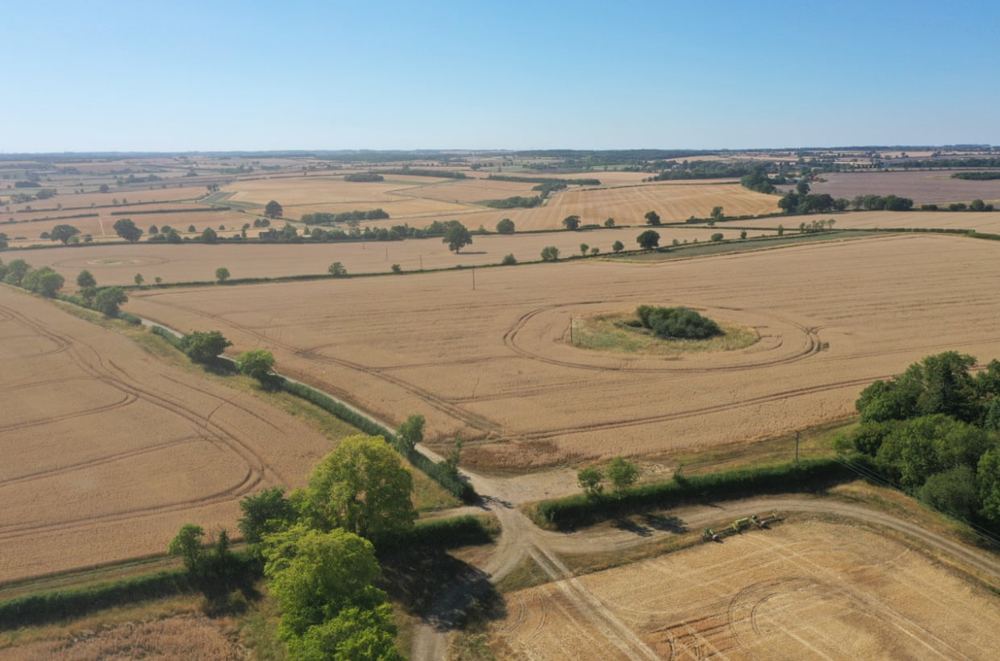
A British company backed by high-profile investors has bought 1,525 acres of arable land to abandon farming and sell biodiversity credits instead, testing a financial model that could attract billions in private capital to European nature restoration.
In late 2021, Nattergal, a company co-founded by Sir Charles Burrell, paid £13.8m for Boothby Lodge Farm in South Lincolnshire. Instead of producing wheat and beans, the 1,525-acre site is being transformed into Boothby Wildland. The firm will not sow crops, use fertilisers, or maintain field drains, opting instead to let natural vegetation regenerate and introduce free-ranging herbivores in five to seven years.
The economic rationale rests on a structural shift in how the UK values land. Previously, the farm generated £250,000 in annual profit, but half of that came from a basic land-ownership subsidy the government plans to phase out by 2027. Under reforms introduced by former environment secretary Michael Gove, future state support will only pay for "public goods" like healthy soils and clean water.
To replace agricultural income, Nattergal is monetising the restoration of nature. From 2024, UK law requires developers to ensure their projects deliver a 10% net gain in biodiversity. Boothby will sell credits to builders who cannot meet this threshold on their own sites. The company will also sell carbon credits for the emissions sequestered by ending ploughing, while collecting new government grants for ecosystem services like flood risk reduction.
The project is structured to attract mainstream capital rather than traditional conservationists. Nattergal is backed by Peter Davies of Lansdowne Partners, green investor Ben Goldsmith, and solar entrepreneur Jeremy Leggett. The company promises investors a return of at least 4.5%. “They feel safe because it’s land and if it goes pear-shaped they’ll sell the land and get their money back,” Burrell said of his backers.
Burrell is applying a model he already proved at his 3,500-acre Knepp estate in West Sussex, where rewilding turned a loss-making farm into a profitable ecotourism business. He is now targeting broader expansion. “We’re hoping to expand the idea throughout Europe. We’re thinking about a billion-dollar project,” Burrell said. His underlying thesis is that reversing biodiversity collapse requires proving to financial markets that restoring nature is a viable commercial strategy capable of drawing vast private investment.