Early rate cuts risk repeating inflation errors, experts warn
As European institutions weigh the timing of policy easing, leading economists and a former euro-area central banker have warned that cutting interest rates too quickly risks keeping inflation stubbornly above target.
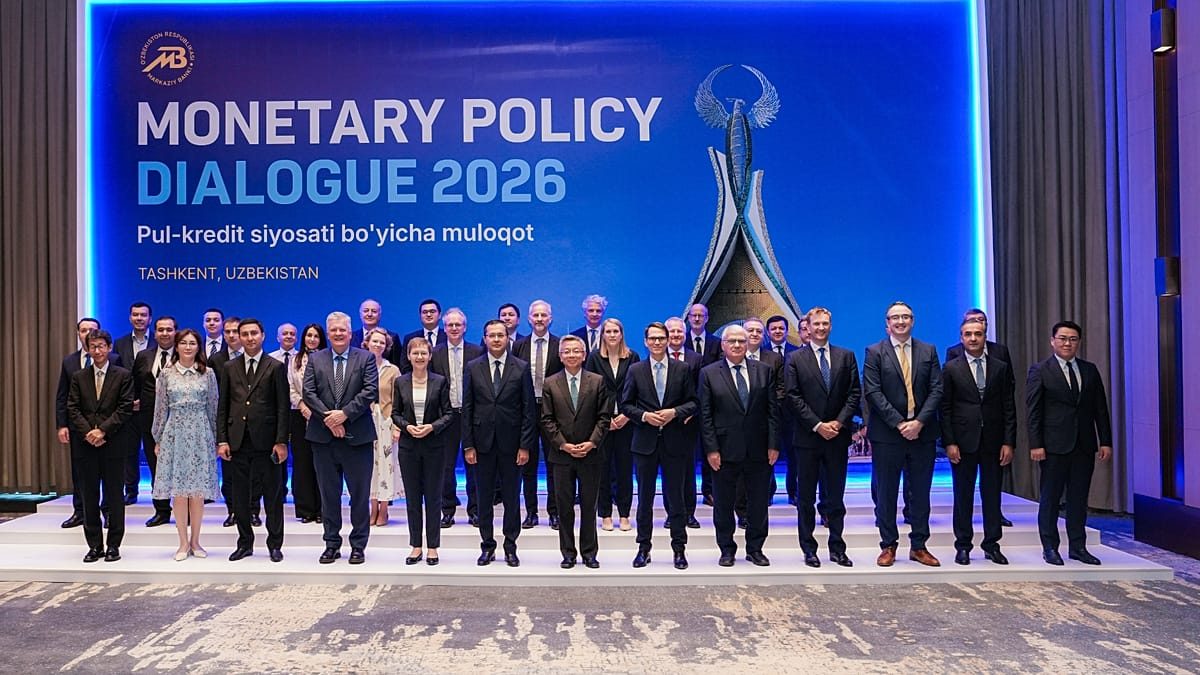
Economists and policymakers gathered at the first Monetary Policy Dialogue in Tashkent have issued a stark warning to central banks considering interest rate reductions. Athanasios Orphanides, a professor at the Massachusetts Institute of Technology and former governor of the Central Bank of Cyprus, cautioned that easing monetary policy too early threatens to keep inflation above target.
The warning carries direct implications for European markets, where investors are closely tracking when the ECB will begin lowering borrowing costs. “If we look at the post-pandemic experience, many central banks around the world did not calibrate policy correctly and ended up with inflation that was significantly higher than the definitions of price stability that they were aiming for,” Orphanides said. “The risk, I fear, remains that for many central banks, policy easing is contemplated too early.”
The broader challenge for policymakers is maintaining institutional credibility in an era of unpredictable economic shocks. Koba Gvenetadze, the IMF’s resident representative in Uzbekistan, noted that recent crises have exposed the limits of traditional forecasting. “There have been repeated shocks for the last five years and that is why lessons learned from those shocks and the sharing of experiences are absolutely very important,” she said.
Policymakers can no longer assume supply chain disruptions will fade before affecting consumer prices. “We have learned from the COVID experience, for example, that even if there are supply shocks which impact inflation, maybe in the beginning they don’t impact inflation, but at a later point they may start impacting inflation,” Gvenetadze added.
Orphanides argued that strict inflation targeting remains the most reliable framework for navigating this uncertainty, a point illustrated by Uzbekistan’s ongoing market reforms. The Central Bank of Uzbekistan reported that inflation fell from nearly 20% in 2018 to 5.5% in May 2026, while household and business expectations dropped from an average of 20% to about 10%.
For investors and businesses, the success of this transition is also visible in declining dollarisation. Foreign-currency deposits now account for around 20% of banking deposits, down from nearly 50%, while dollarised lending has fallen to 37% from 54%. Samigjon Inogamov, director of the Central Bank of Uzbekistan’s Monetary Policy Department, said the bank is pushing through deeper financial market reforms while maintaining tight conditions to hit its inflation target.
Lower dollarisation signals growing confidence in the domestic currency, making monetary policy transmission through local financial markets more effective. As European central banks weigh their own rate-cut timelines, the Tashkent dialogue underscores that institutional credibility is built through patience, not haste.