Waymo cabin cameras trigger police call, complicating London expansion plans
A Waymo robotaxi’s decision to call the police on two teenagers has stalled its regulatory approval in California and raised difficult privacy questions as the company begins testing in London.
A Waymo robotaxi in San Mateo, California, automatically contacted the police on Monday after cabin cameras spotted two 15-year-old passengers drinking and firing a toy gun. Remote monitors steered the vehicle into a parking lot and used a ruse of mechanical trouble to keep the teenagers inside until officers arrived. "The occupants were not locked in and had every ability to exit the vehicle," said police spokesperson Jeanine Luna, noting police responded with weapons drawn after cameras flagged the toy as a real firearm.
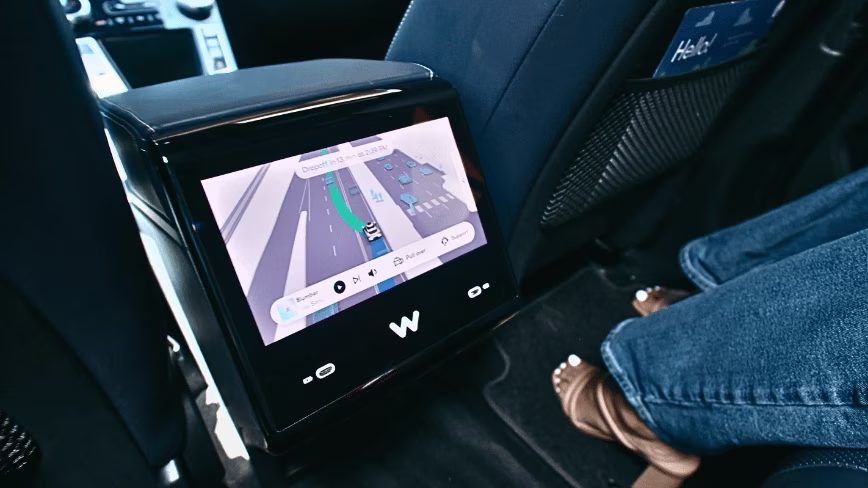
The incident exposes the fundamental surveillance bargain of driverless transport for a European market highly sensitive to data privacy. Without a human driver, passengers are left alone with a network of internal cameras that monitor for seatbelt use, smoking, and lost items. While Waymo states it does not use facial recognition, the company retains the ability to watch live trips and alert authorities, a reality that drew significant public unease online.
This dynamic is now actively shaping Waymo’s commercial timeline. The California Public Utilities Commission has delayed approving paid rides in the company's newest vehicle, the Ojai, until at least late September. The regulator specifically requested more information on how Waymo handles emergencies and prevents unaccompanied minors from riding. These were exactly the issues highlighted by the San Mateo event and a prior complaint from a ride-hail drivers’ union.
The regulatory friction in California carries direct implications for the company's European ambitions. The Ojai, manufactured by China’s Zeekr, represents Waymo’s shift from retrofitted consumer cars to purpose-built taxis equipped with 13 cameras, six radars, and four lidar sensors. As Waymo enters markets with stricter data privacy laws, the surveillance capabilities of this new fleet will face intense scrutiny from authorities unaccustomed to private vehicles acting as extensions of law enforcement.
Despite these hurdles, Alphabet’s autonomous unit is rapidly scaling, announcing fully driverless operations in San Diego, Las Vegas, Tampa, and Denver this week. "The Waymo might have been the smartest idea yet, because driving impaired would’ve made this so much worse," the San Mateo police wrote on Facebook, highlighting the operational argument. Yet as the company begins its first tests abroad in London with a fleet that dwarfs Tesla, it must prove this surveillance model satisfies strict European data regulators.