Solo-built 'slow-social' app Roost nears 300k users despite AI art clash
The unfunded messaging app Roost has surged to nearly 300,000 users by forcing delayed communication, highlighting a growing consumer fatigue with instant tech and rising tensions over AI-generated content.
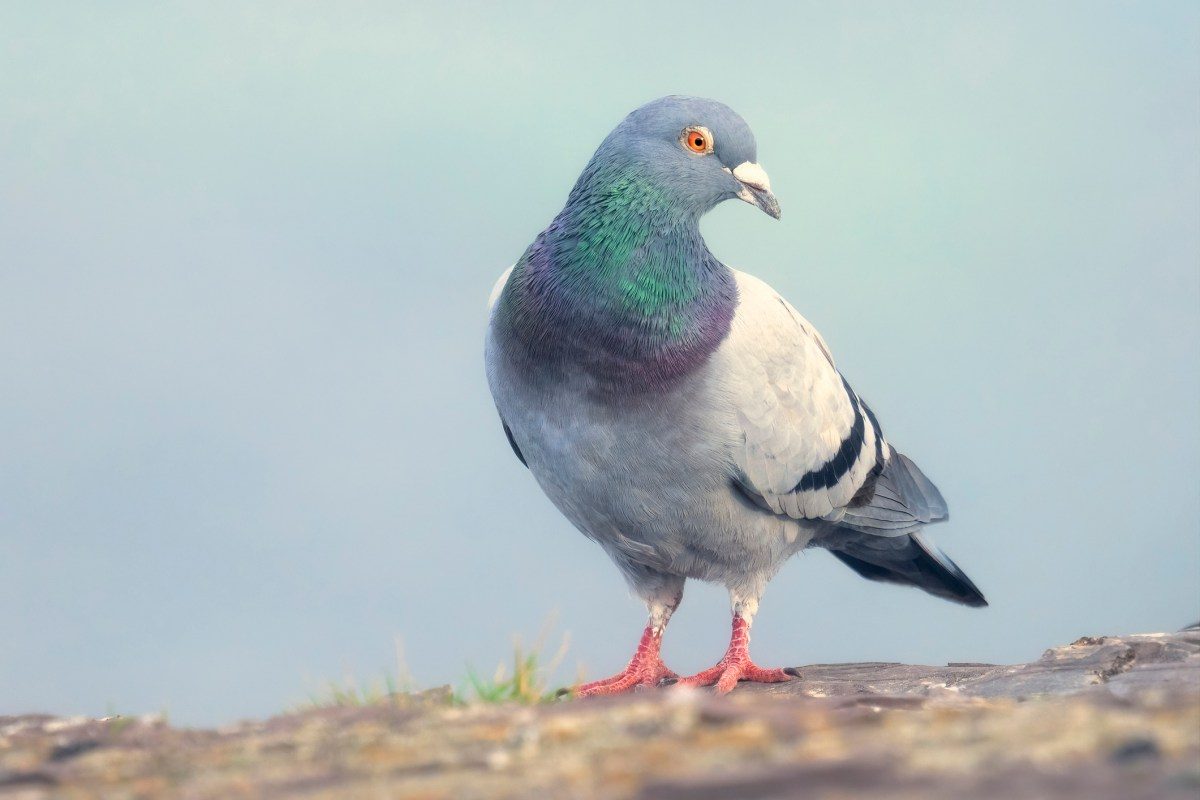
Roost, a messaging application that delays messages based on the real-world flight speeds of birds, turtles, and snails, is approaching 300,000 users just five weeks after launching on the App Store.
The platform experienced exponential growth, jumping from 10,000 to 100,000 users in just three days after a viral post on Threads. Its creator, Logan Mendelsohn, built the app in his spare time while working as a senior product manager in trust and safety at Ticketmaster, relying entirely on in-app purchases for revenue without any outside funding.
For Europe's app economy, Roost's sudden success underscores a viable counter-movement to the engagement-driven algorithms of major social platforms. By forcing users to wait hours or days for a virtual bird to deliver a text, the app removes the pressure of instant responses. Users have embraced the intentional nature of the platform. "It’s kind of a break from the instant," Mendelsohn said. "It’s resonating with people in a way where they don’t feel pressure all the time to have to do something."
However, the app's rapid ascent also illustrates the fraught relationship between independent developers and artificial intelligence. Mendelsohn used Claude Code to build Roost and initially used AI-generated art for the birds. This sparked immediate backlash from a user base specifically seeking an escape from modern tech fatigue.
In response, Mendelsohn is running a contest to replace the AI art with human-created illustrations. "I don’t think it’s productive to dig your heels in when your community is vocal about something they care for," he said, while noting that maintaining an app at this scale as a solo founder requires AI-assisted development.
Privacy architecture, a critical metric for European digital markets, was built into the app from the ground up. By default, users only share their city with contacts, though a "close friends" toggle allows precise location sharing. Furthermore, an anonymous "Pen Pals" feature deliberately blocks photo sharing and explicitly warns users against exchanging personal details. "Trust and safety should be the first thing they think about," Mendelsohn said.