Record World Cup attendance masks European alarm over Trump intervention
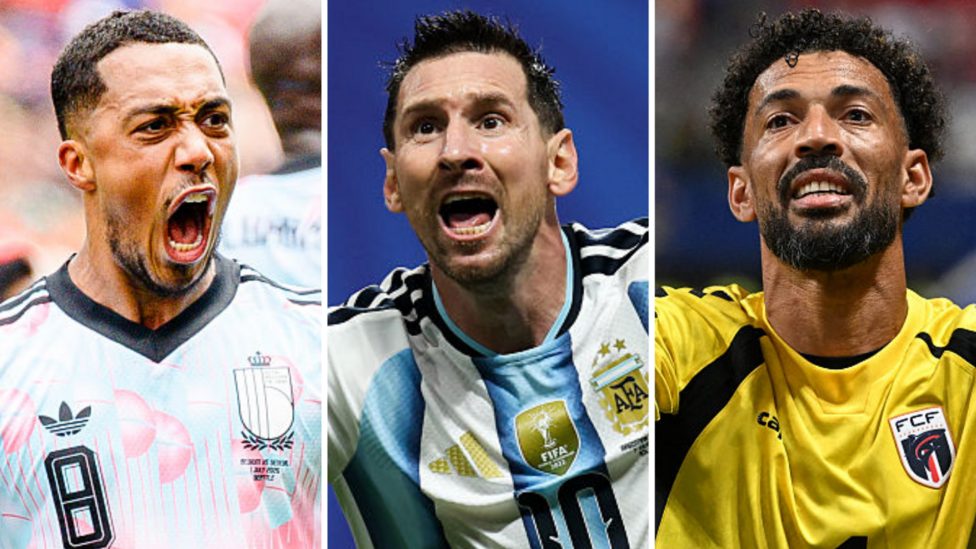
The expanded World Cup is delivering record commercial returns for FIFA, but political interference in a red card ban and player welfare concerns have drawn sharp criticism from European football authorities.
The quarter-finals of the 48-team World Cup begin on Thursday, with the tournament in Canada, Mexico, and the United States already breaking attendance records. FIFA reports that 6.2 million fans have attended matches so far, filling 99.7% of available seats at an average of over 65,000 per game. Those figures trail only the 1994 US tournament, confirming the commercial viability of a larger format despite widespread concerns over eye-watering ticket, travel, and hotel costs.
For FIFA, the packed stadiums represent a validation of a risky commercial expansion. The move to 48 nations lengthened the tournament to 38 days, maximizing broadcast and ticket revenues but squeezing the global football calendar. The Premier League begins just one month and two days after the July 19 final, a tight turnaround that threatens to strain the value of Europe's most expensive playing assets.
The tournament's most significant development for European stakeholders, however, is not on the pitch but in the disciplinary committee. US President Donald Trump confirmed he phoned FIFA president Gianni Infantino to discuss the red card given to American striker Folarin Balogun. FIFA subsequently suspended Balogun's one-match ban under Article 27 of its disciplinary code, making him only the second player in World Cup history to avoid serving a suspension.
The decision has triggered a backlash across European football. UEFA, Belgium, and England manager Thomas Tuchel publicly criticized the move, which echoed allegations of political interference last seen when Brazil's Garrincha avoided a ban in 1962. Belgian players later stated the controversy provided extra motivation before they eliminated the United States with a 4-1 last-16 victory.
On the field, the event has delivered high-scoring, attacking football, with 2.92 goals per game, the highest rate since 1970. A record 74.6% of goals have come from open play.
With Argentina, Spain, France, and England all reaching the quarter-finals, the sporting quality remains high. Yet, the institutional friction caused by the Balogun incident and the grueling schedule may ultimately define how European football evaluates this World Cup long after the final whistle.