German politicians seek to tweak EV subsidy despite low Chinese uptake
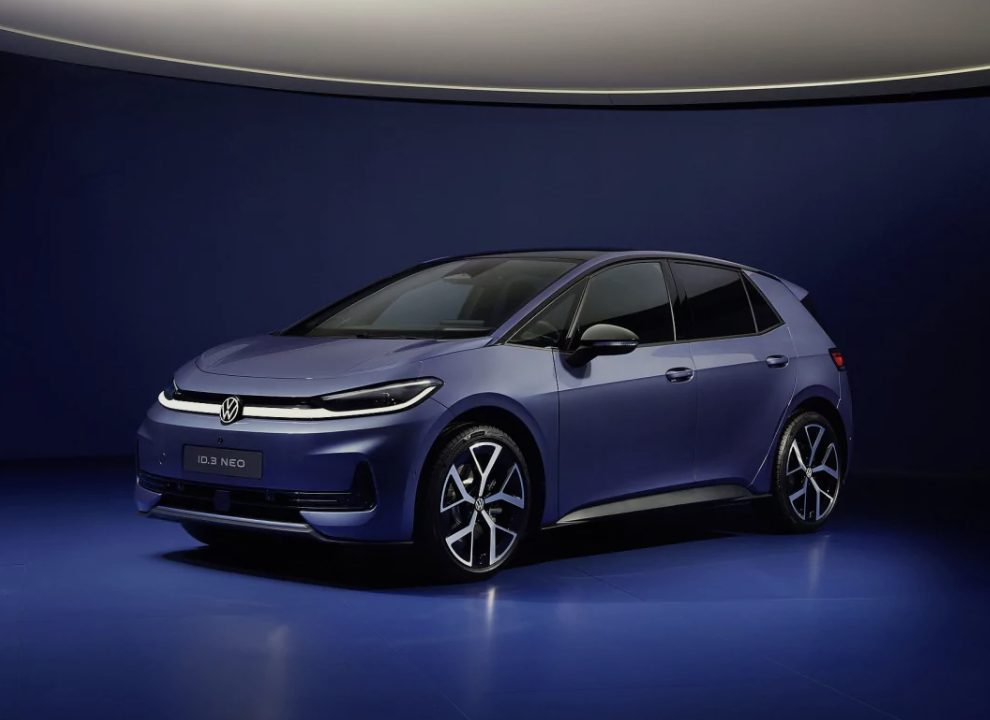
German lawmakers are pushing to restrict a €3bn electric vehicle subsidy to European brands, a politically driven move that risks undermining a successful policy aimed at correcting the industry's past reliance on wealthy buyers.
German politicians from the CDU/CSU and SPD are calling for changes to a €3bn electric vehicle subsidy scheme after mistakenly believing it primarily benefits Chinese manufacturers. The programme, available since May, offers households up to €6,000 depending on their income bracket for cars priced around €30,000. However, initial figures reported by Die Zeit show that less than 15 percent of applications were actually for Chinese vehicles.
The political backlash ignores the actual mechanics of the policy and the realities of the current market. The subsidy is deliberately weighted toward lower-income households, capping benefits for cars unlikely to exceed €30,000. Chinese brands like BYD broadly fit into this affordable price bracket, whereas European manufacturers have historically focused on premium, higher-cost models.
Despite the political uproar, the subsidy appears to be achieving its goal of stimulating mass-market adoption. The Association of German Automobile Dealers (VAD) attributes a recent sharp rise in new electric-vehicle registrations directly to this scheme and a broader range of available models. Politicising the programme to explicitly exclude foreign brands risks disrupting this growth just as it takes hold.
The current debate highlights a stark reversal from the previous environmental bonus scheme, which ended in 2023. That older programme faced heavy criticism for disproportionately subsidising the wealthy and corporations. Lower-income taxpayers were effectively funding expensive cars they could never afford, while foreign brands from Japan, China, and Korea also benefited at smaller percentages.
Under that previous system, the vast majority of subsidised cars in 2023 were priced at or well above €40,000. Volkswagen was the top beneficiary, with over 309,000 vehicles receiving the old subsidy, followed by 196,000 Mercedes and 181,000 Teslas. Tesla owners alone received €860m through the old scheme.
Catering to wealthy buyers paid off for German giants during those years, but the strategy has now collided with a changing market. Volkswagen is reportedly preparing to cut 100,000 jobs and close four domestic factories as it struggles with this new era of competition.
The human cost of this strategic lag is now becoming apparent. "If Volkswagen's CEOs had put as much time into catching up with China on electric cars as they did into cheating software, those people would still have a job today," said Sara Matthieu, a Belgian Green MEP.
The attempt to rewrite the new subsidy rules ultimately reflects a deeper industry anxiety. Domestic automakers are struggling to compete at the exact lower price points that the government is now incentivising to avoid the mistakes of the past.