Midjourney presses Hollywood to reveal its own AI use
AI firm Midjourney has asked a US court to force Disney, Universal and Warner Bros to disclose their own AI training practices, a dispute that could set a decisive legal precedent for Europe's creative industries and technology developers.
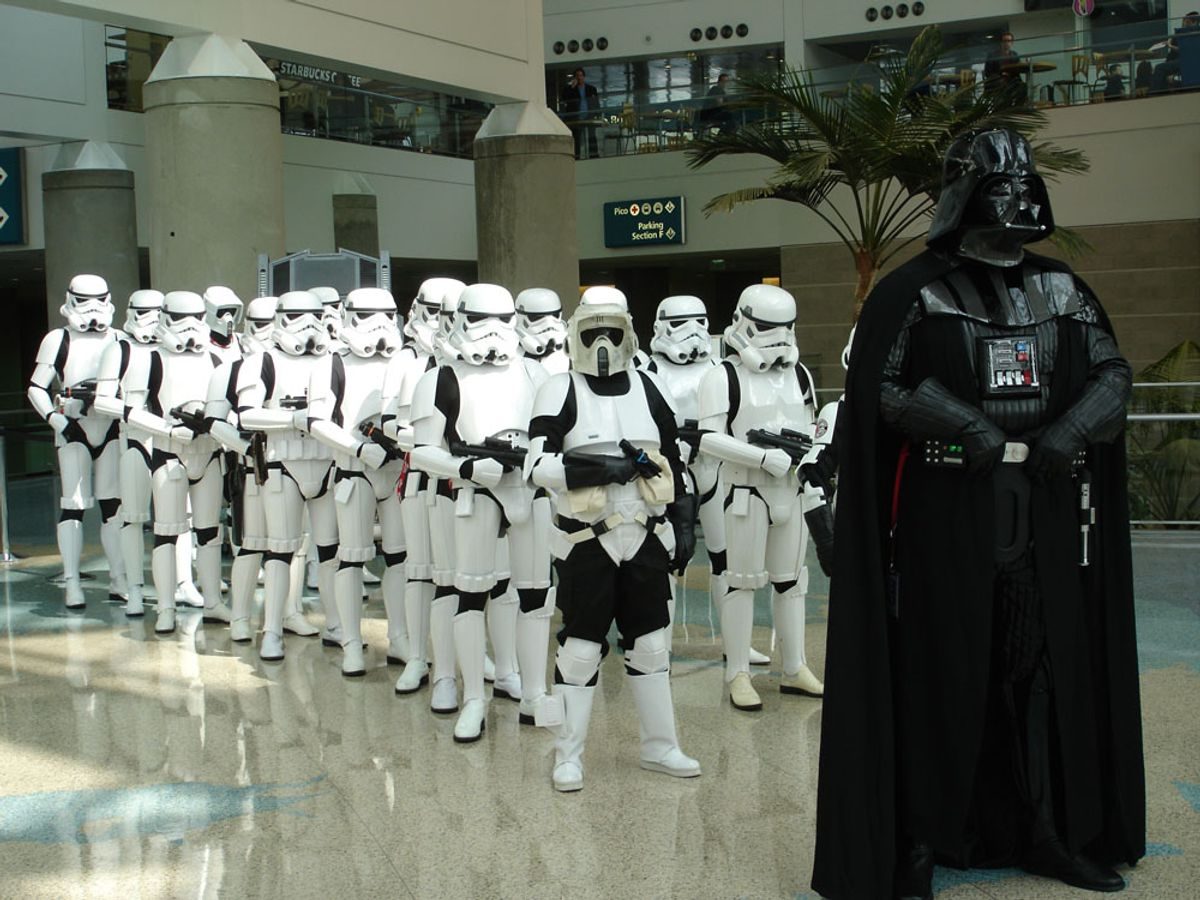
Midjourney has filed a motion to overturn a mid-June ruling that blocked its request to discover how Hollywood studios use artificial intelligence internally. The 29 June filing represents the latest escalation in a 2025 copyright lawsuit brought by Disney, Universal and Warner Bros. The studios accuse the AI company of training its image-generating models on their copyrighted intellectual property, enabling users to produce depictions of characters like Superman, Darth Vader and Bart Simpson through text prompts.
The company is now attempting to prove that the studios are engaging in the exact behaviour they have publicly condemned. Midjourney argues that if the film giants are themselves scraping the internet to train generative-AI models, it demonstrates an established industry custom. This practice, Midjourney contends, would serve as “powerful evidence that the relevant industry considers such conduct to be fair use”.
David Singer, the lead attorney representing the studios, has dismissed these tactics as a “fishing expedition” designed solely to distract from Midjourney’s own alleged infringements. Midjourney counters that the studios have “unclean hands”, pointing to their “own unlicensed download and copying of millions of images”.
The legal battle hinges on the US fair use exception, which permits unlicensed copying of protected material based on factors including the purpose of the use, the nature of the original work, the volume copied, and the effect on the original's market value. Midjourney asserts its actions fall within standard industry practice and notes that courts in other generative-AI cases have ruled this is an “unsettled area of law”.
Because the legal framework remains unstable, Midjourney is urging the California district court to allow broad evidence gathering rather than prematurely restricting its defence. The company’s overarching legal strategy relies entirely on proving its ingestion of copyrighted material was a transformative fair use.
The outcome of this transatlantic dispute carries substantial implications for European markets, technology investors and creative professionals. James Lorin Silverberg, who heads the Washington, DC-based Intellectual Property Group, observes that “The fair use argument has gained some traction in prior AI cases, in which courts have decided that the ingestion of the work for training is transformative fair use, either because the training use in those cases was transformative, or because the rights owners failed to establish the inapplicability of the fair use doctrine, in part due to lack of proof of market harm in that particular case.”
Silverberg emphasises that the hundreds of active lawsuits globally “will determine the future course of copyright law, protections, limitations and artists rights, with huge impacts on the art market and artists, possibly beyond what we have seen in the past”. For European policymakers and businesses, the US court's definition of fair use will effectively dictate the legal risk profile of developing or deploying AI tools on the continent.