UK urged to ratify match-fixing treaty as crime money floods sport

Organised crime syndicates are exploiting outdated laws and new prediction markets to manipulate a widening array of sports and launder illicit proceeds, prompting calls for the UK to finally ratify an international anti-corruption treaty.
A House of Lords committee has heard warnings that global match-fixing is expanding at an "extraordinary" rate, with syndicates using rigged sports events to launder money from drug and human trafficking. The international agreements committee was taking evidence on the Macolin convention, the only international treaty targeting sports manipulation, which the UK signed in 2018 but has only recently proposed for ratification.
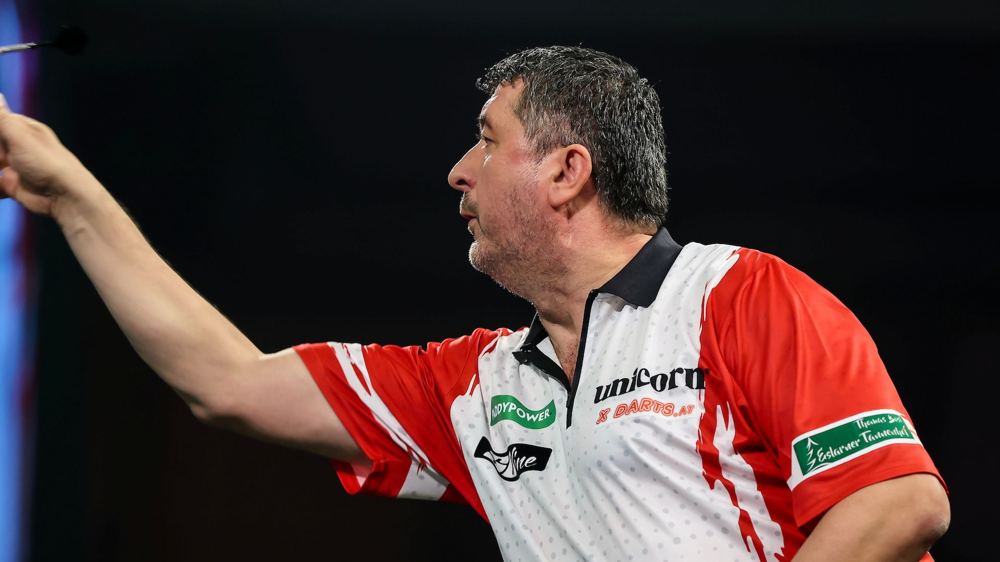
The reach of organised crime is extending well beyond traditional targets like football, cricket and tennis. Dr Madalina Diaconu, a sports integrity specialist and member of Uefa’s control, ethics and disciplinary body, told peers that corruption now infects previously untouched sports such as chess, darts and skiing. She attributed the surge to the globalisation of online betting exchanges, noting it is now "possible to access these services now from anywhere and at any age."
For the European sports betting market, this infiltration represents a severe systemic threat. Match-fixing offers criminal networks a "golden opportunity" for immediate high profits, but more critically, it provides a reliable mechanism to clean dirty money. "They can also launder the illegal proceeds of even more serious crimes such as drug trafficking and human trafficking, especially of young girls," Diaconu said. Lord Boateng noted a 92% rise in recorded suspicious football matches in Africa, alongside rising online betting in the Americas.
Law enforcement is struggling to track these modern operations. Moses Swaibu, a former Crystal Palace academy player jailed for his role in a 2013 match-fixing scandal, said authorities have failed to adapt to modern prediction markets. "The new match-fixers are in plain sight and law enforcement have not been able to grasp what that advancement looks like," he testified. Swaibu, who founded Game Changer 360 and runs compulsory integrity workshops for Football Association academies, warned that "match-fixing is getting younger and the solutions are old and outdated."
The solution, according to experts, lies in the Macolin convention's requirement for participating countries to establish centralised, live databases. Dr Diaconu pointed to recent European successes as proof the treaty works, noting that Belgium and Spain recently dismantled large mafia syndicates with help from Europol and Interpol. Using the convention's instruments, police in both nations secured convictions against networks responsible for thousands of fixed matches worldwide.