Scotland's A82 exposes rural infrastructure funding gap
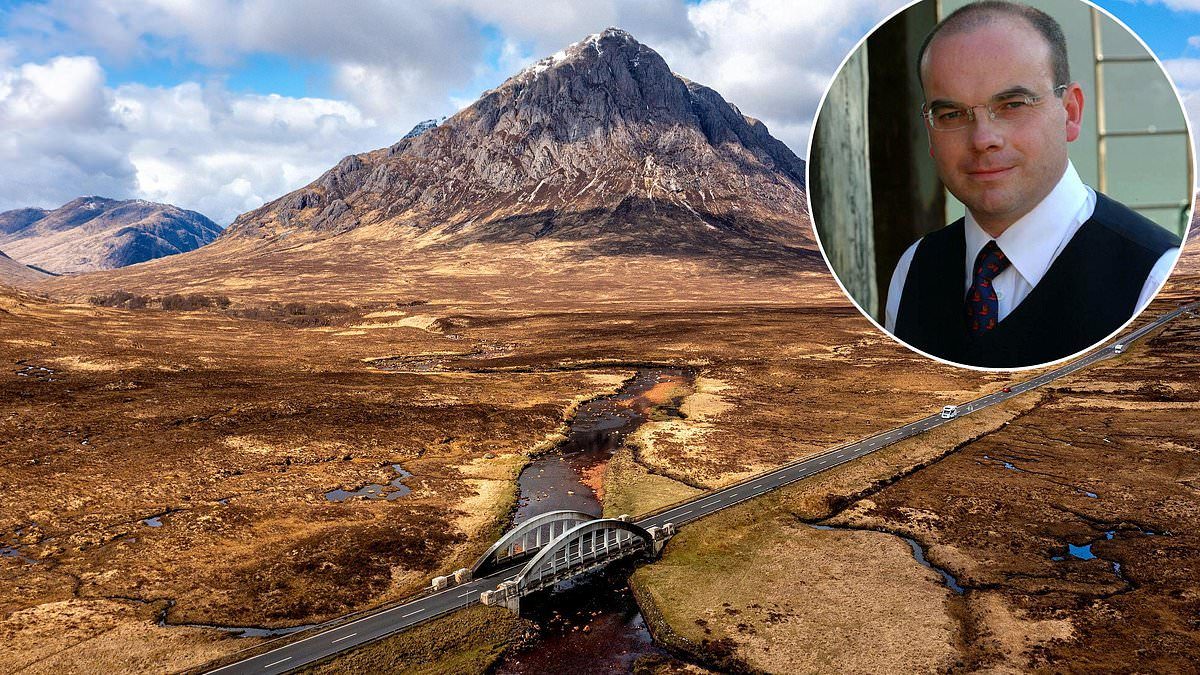
Chronic underinvestment and a surge in overtourism on Scotland’s A82 highway highlight a widening divide in how European infrastructure funds are prioritized between urban centres and remote rural economies.
The A82, Scotland’s second-longest road, is buckling under the weight of modern tourist demand while suffering from decades of infrastructure neglect. Serving as the primary transport artery for the West Highlands, the route has seen minimal structural upgrades over the past eight decades compared to the heavily subsidised A9.
Local economies along the route are now grappling with the consequences of a rapid shift in visitor behaviour. Tourists no longer book extended stays to explore a single locality. Instead, they engage in frantic "bucket-list" road trips, often inspired by television productions like Outlander. This has resulted in chaotic, abandoned parking and severe congestion in environmentally sensitive areas like Glen Coe.
The road's physical limitations pose direct economic and safety risks to the region. Fatalities occur regularly on the dangerous, cliff-side ten-mile stretch between the Corran ferry and Fort William, where sheer drops and narrow lanes prevent safe overtaking. Recent interventions, such as a £9 million viaduct at Pulpit Rock in 2015 and a long-overdue bypass at Crianlarich in 2014, have only addressed isolated bottlenecks.
Historically, investment on this route has been dictated by strategic military needs rather than local economic growth. The only section to receive significant modernisation was the road leading to Faslane, the base for the UK’s nuclear deterrent. This illustrates how national security priorities, rather than regional economic necessity, have traditionally unlocked government infrastructure funding in the Highlands.
For residents and businesses in remote towns like Fort William, securing basic road improvements remains a profound struggle. With a population of just 11,000 compared to Inverness’s 70,000, the town lacks the demographic weight to demand attention. As local landowner Donald Houston discovered during a London lobbying trip, an MP told him: "There are more votes in a single housing-estate in Glasgow... than in the entire agricultural community of the islands. And you lot don't matter."
This funding disparity reflects a broader European dilemma. Rural regions that drive significant tourism revenues often lack the political representation required to maintain the transit networks their economies depend upon. For the West Highlands, the ongoing neglect of the A82 risks turning a vital economic lifeline into a genuine liability.