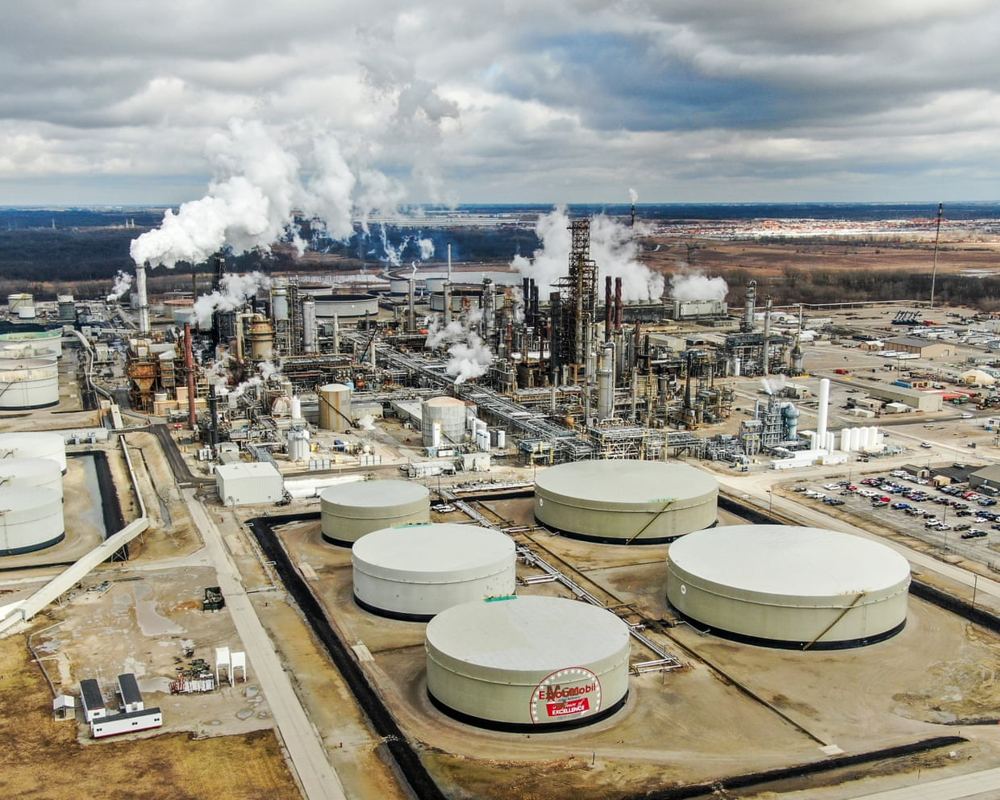
Lawsuit demands Rotterdam port draw up fossil exit plan
Environmentalists are suing Europe’s largest freight port to force a formal phase-out of fossil fuels, a case that highlights the continent's dilemma of decarbonizing heavy industry without driving it abroad.
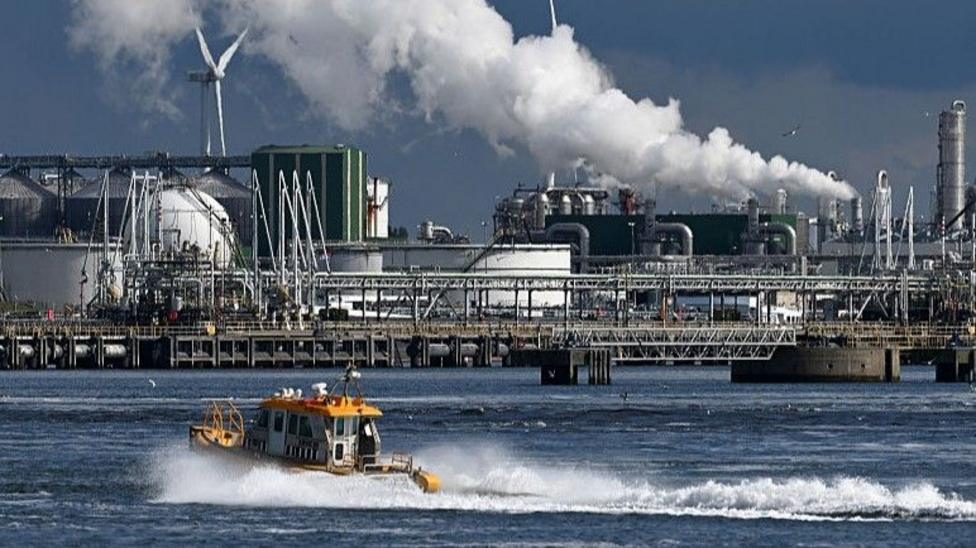
An environmental group has filed a lawsuit against the Port of Rotterdam Authority, demanding it produce a concrete plan to wind down coal, oil and gas flows. Advocates for the Future argues the state-owned enterprise has a legal obligation to actively phase out its fossil fuel dependency rather than simply managing the status quo. The legal challenge strikes at the heart of Europe's broader industrial strategy.
Rotterdam is Europe’s largest freight hub, handling almost as much cargo as all UK ports combined. It is also a massive energy and chemicals center, home to five refineries including Shell's largest in Europe. The port's industrial cluster emits about 29 million tonnes of CO2 annually, representing roughly half of the Netherlands' domestic emissions.
"It's not good," admits Mark van Dijk, head of external relations at the Port Authority. The authority has set targets to cut its own emissions by 90% between 2019 and 2030 and is investing in alternatives like a hydrogen hub, onshore power, and carbon capture and storage through the Porthos project. However, critics want a binding roadmap, not just long-term promises of climate neutrality by 2050.
The core economic risk is offshoring. Many of the port's biggest emitters answer to headquarters in the US or China, meaning their loyalty lies with foreign boardrooms. If Rotterdam imposes strict rules unilaterally, these companies could relocate to regions with looser regulations, echoing the past departures of Shell and Unilever. This risk is exacerbated by diverging global policies, such as those of US President Donald Trump, who has offered incentives that favour fossil fuels over renewables.
"Their sphere of influence is limited," says Bettina Kampman of environmental consultancy CE Delft. Even when companies want to transition, physical constraints hinder progress. New developments require space and vast amounts of electricity, but power cable capacity is currently insufficient to electrify the port's industrial processes.
Experts argue that a single port authority cannot drive a full transition alone. Emeritus professor Harry Geerlings of Erasmus University Rotterdam points to past EU regulations on sulphur in marine fuels as proof that a global level playing field changes corporate behaviour. However, regional rules alone are imperfect; ships often simply switch back to cheaper, high-sulphur fuel once they leave European waters.
"We are asking for a plan that really contributes to a sustainable future for the port," says Maikel van Wissen, director of Advocates for the Future. The port authority insists it shares the same ultimate destination. "We do want the same thing," Van Dijk says. The lawsuit, therefore, is not a debate over the end goal of net zero, but a fight over exactly how fast and how radically Europe must dismantle its fossil fuel infrastructure.